
Compare models
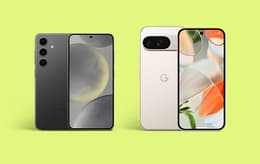
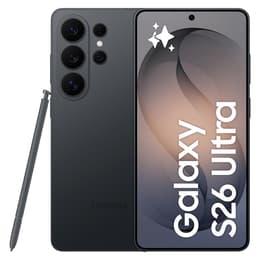
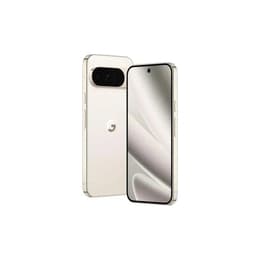
Galaxy S26 Ultra • Unlocked vs Google Pixel 10 Pro XL • Unlocked
- 1-year warranty
- Free standard shipping
- Free 30-day returns
Differences at a glance
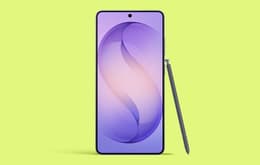
The Samsung Galaxy S26 Ultra (2026) and the Google Pixel 10 Pro XL (2025/2026) represent the pinnacle of large-screen flagship smartphones running on the Android 16 operating system. Both devices cater to users seeking expansive displays, advanced camera technology, and robust processing capabilities. While the Galaxy S26 Ultra focuses on high-performance execution and built-in stylus productivity, the Google Pixel 10 Pro XL emphasizes clean software integration and natural computational photography.
Available Models
Color
Storage (GB)
Scores
Durability
Both smartphones are built to remain relevant for years, featuring extended manufacturer support windows and sturdy construction materials designed to withstand daily wear and tear.
- Software Longevity: Both models receive extended multi-year operating system updates and security patches, ensuring the software stays current and secure throughout their practical lifespan.
- Repairability and Build: Each device features durable glass and metal frames with high water and dust resistance ratings, alongside modular internal components that facilitate professional repairs when needed.
- Expected Lifespan: High-capacity batteries and robust internal hardware allow both flagships to easily support several years of demanding daily use without notable slowdowns.
Release Year
2026
2025
OS
Android
Android
Foldable
No
No
Performance
Under the hood, these devices handle intensive applications, multitasking, and daily workloads smoothly, though they utilize different hardware architectures to manage system tasks.
- Storage Configurations: Both devices offer multiple spacious internal storage tiers paired with generous amounts of RAM, ensuring smooth switching between dozens of open apps.
- Daily Responsiveness: Apps load instantly, and demanding tasks like 3D gaming or video editing execute fluidly thanks to advanced thermal management and high-efficiency processors.
- Battery Behavior: Each smartphone includes a large battery capacity designed to comfortably last through a full day of mixed usage, supported by fast-charging capabilities.
Screen quality
The viewing experience on both handsets is characterized by large, vibrant panels that deliver sharp details and responsive touch interaction.
- Display Technology: Both models utilize advanced organic light-emitting diode (OLED) panels that produce deep blacks, high contrast ratios, and vivid color reproduction.
- Brightness and Outdoors: High peak brightness levels ensure the screens remain easily legible even under direct sunlight, complemented by anti-reflective glass coatings.
- Motion Smoothness: Adaptive refresh rates scaling up to 120Hz provide fluid scrolling through web pages and smooth animations during gaming or media playback.
Resolution
1440 x 3120
1344 x 2992
Screen type
Dynamic LTPO AMOLED 2X
LTPO OLED
Audiovisual
Media creation and consumption capabilities are top-tier on both smartphones, offering versatile setups for capturing life's moments and enjoying entertainment.
- Camera Systems: Both devices feature multi-lens rear setups including high-resolution main sensors and dedicated telephoto lenses for distant subjects, alongside high-megapixel front-facing cameras for video calls.
- Low-Light and Video: Advanced image processing enables sharp, clear low-light photography and stable, high-resolution video recording across various focal lengths.
- Audio Output: Stereo speaker configurations deliver balanced, room-filling sound for media playback and hands-free calls without requiring external speakers.
Miscellaneous
Practical everyday features, connectivity standards, and physical ergonomics differ slightly between the two devices to accommodate distinct design philosophies.
- Connectivity and Ports: Both models support modern 5G networks, advanced Wi-Fi standards, Bluetooth connectivity, and feature reversible USB Type-C charging ports.
- Security and Sensors: Secure biometric authentication is handled via responsive under-display fingerprint scanners and advanced facial recognition technology.
- Handling and Form Factor: Weighing a little over 200 grams, both large-format devices offer solid handling, though subtle differences in corner curvature and edge geometry affect grip feel. Choosing a quality-assured refurbished option provides an eco-friendly alternative for acquiring these devices sustainably.
Weight
214 oz
8 oz
Screen size (inches)
6.9
6.8
Network
5G
5G
SIM card
Physical SIM + eSIM
eSIM
Carrier compatibility
Unlocked
Unlocked
Connector
USB-C
USB-C
What the community thinks
Users evaluating the Samsung Galaxy S26 Ultra and the Google Pixel 10 Pro XL will find two distinct approaches to the modern flagship experience. Common praise for the Galaxy S26 Ultra centers on its expansive screen, integrated stylus utility, and swift processing speeds, though some users note its larger physical footprint can feel unwieldy in smaller hands. Conversely, users frequently praise the Pixel 10 Pro XL for its streamlined software interface and intuitive photo editing tools, while noting that its charging speeds trail behind some competitors.
Users prioritizing productivity tools, maximum processing headroom, and built-in stylus capabilities may prefer the Galaxy S26 Ultra. Meanwhile, users who lean toward a clean operating system experience and automated photo refinement will find the Google Pixel 10 Pro XL well-suited to their needs. Both models represent sustainable choices when explored as quality-assured refurbished options, allowing consumers to make an environmentally conscious purchase without compromising on modern smartphone performance.