iPhones
Compare models
Differences at a glance
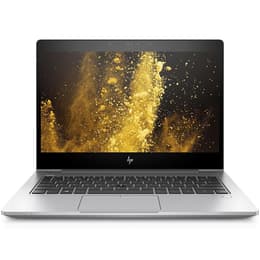
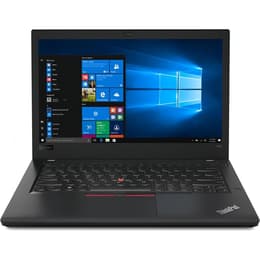
The HP EliteBook 830 G6 13, released in 2019, and the Lenovo ThinkPad T480 14, released in 2018, are business-oriented laptops designed for productivity and reliability. Both devices operate on the Windows operating system, providing a familiar environment for many users. The primary distinctions lie in their release years, screen sizes, and some internal component updates, which influence their overall user experience and longevity. This comparison will explore their practical differences to help users determine which device best suits their needs.
Storage
Processor
Memory
The HP EliteBook 830 G6, released in 2019, and the Lenovo ThinkPad T480, released in 2018, both offer robust build quality typical of their respective business lines. Both models were designed to meet MIL-STD-810G standards, indicating a degree of resistance to environmental stresses like drops, vibrations, and temperature extremes. The slightly newer release of the EliteBook 830 G6 means it may receive software and security updates for a slightly longer period than the T480, extending its practical lifespan in terms of software support.
Release Year
Last Os Compatibility
OS
Both the HP EliteBook 830 G6 and the Lenovo ThinkPad T480 are equipped with processors from the same generation, providing capable performance for everyday business and productivity tasks. Users can expect smooth operation when handling office applications, web browsing, and video conferencing. The EliteBook 830 G6, being a slightly newer model, often features slightly more refined configurations of these processors, potentially offering marginal improvements in efficiency.
Graphic card
The display experience differs between these two laptops, primarily due to their screen sizes and available panel options. The HP EliteBook 830 G6 features a 13.3-inch display, while the Lenovo ThinkPad T480 offers a 14-inch screen. Both commonly feature Full HD (1920x1080) IPS panels, providing clear visuals and good viewing angles suitable for productivity and media consumption.
Resolution
Screen type
For communication and media consumption, both the HP EliteBook 830 G6 and the Lenovo ThinkPad T480 provide standard features expected in business laptops. They are equipped with integrated webcams and speaker systems designed for video conferencing and general audio playback.
Beyond core performance and display, several practical elements differentiate the user experience of these two business laptops. Connectivity options, port selection, and physical characteristics contribute to their suitability for various professional workflows.
Weight
Screen size
User feedback for both the HP EliteBook 830 G6 and the Lenovo ThinkPad T480 generally highlights their reliability and suitability for professional use. The ThinkPad T480 is frequently praised for its exceptional keyboard, robust build, and the unique Power Bridge battery system, which many users find invaluable for extended work sessions. Some users note its slightly thicker design compared to more modern ultrabooks. The EliteBook 830 G6 receives positive remarks for its sleeker design, strong security features, and often brighter display options. Criticisms sometimes point to its fan noise under heavy load, though this can vary by configuration.
Users prioritizing maximum battery flexibility and a renowned typing experience may find the Lenovo ThinkPad T480 well-suited to their needs. Its hot-swappable battery system offers unparalleled uptime for professionals on the go. Conversely, users who value a more compact and modern design, along with slightly newer wireless connectivity standards, may lean toward the HP EliteBook 830 G6. Both devices represent solid choices for productivity, and opting for a quality-assured refurbished option can provide an eco-friendly alternative for acquiring either of these capable business laptops. The decision ultimately depends on whether a larger screen and extended battery life or a more portable form factor and updated connectivity are the primary considerations.