
Samsung
Compare models
Differences at a glance
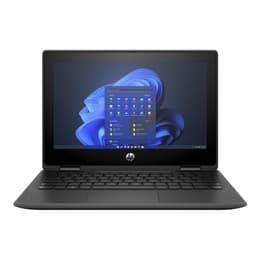
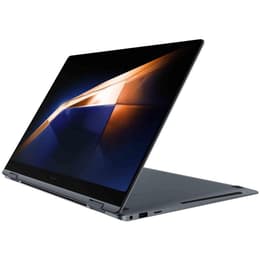
The HP Pro x360 Fortis G10 11" (2023) and the Samsung Galaxy Book4 Pro 16" (2024) represent two distinct approaches to portable computing, catering to very different workspace demands and daily routines. While the HP model focuses on a compact, versatile convertible form factor built for resilient everyday use, the Samsung alternative emphasizes an expansive display area and a thin chassis designed for high-clarity media consumption and creative tasks. Both machines operate on modern versions of the Windows operating system, ensuring full compatibility with standard productivity applications, web browsers, and enterprise software. Choosing between these laptops depends entirely on whether physical portability and flexibility take priority over screen workspace and immersive viewing.
Storage (GB)
Processor
Memory (GB)
When evaluating structural longevity and software support, both laptops provide reliable foundations for long-term daily use backed by standard manufacturer component cycles.
Release Year
OS
Processing power and multitasking capabilities differ significantly due to the contrast in internal hardware sizing and intended operational workloads.
Graphic card
Display characteristics define the primary visual experience, offering stark differences in screen size, panel technology, and overall workspace dimensions.
Resolution
Screen type
Media consumption and communication features vary across both laptops, reflecting their respective design priorities for mobile collaboration and entertainment.
Physical dimensions, port selections, and connectivity standards dictate how easily each laptop integrates into various travel setups and accessory ecosystems.
Weight
Screen size
User feedback from online communities highlights distinct preferences for each machine based on daily workflows. Owners of the HP Pro x360 Fortis G10 frequently praise its sturdy physical construction, flexible 360-degree hinge, and easy portability for travel or on-the-go note-taking. Conversely, users of the Samsung Galaxy Book4 Pro emphasize appreciation for the striking visual quality of the large display, the fast processing speeds during heavy multitasking, and the comfortable keyboard layout for extended typing sessions. Common criticisms for the smaller HP model center on its limited screen workspace and modest processing headroom for demanding creative software, while reviewers of the Samsung model occasionally note that its large footprint is less convenient for cramped spaces like airplane tray tables.
Users prioritizing maximum portability, a flexible touchscreen hinge, and a resilient physical build will find the HP device well-suited to their needs. Meanwhile, professionals and students requiring an expansive high-resolution screen, robust processing power, and immersive media capabilities may prefer the Samsung alternative. Selecting a quality-assured refurbished option through Back Market offers an eco-friendly way to acquire either device while reducing electronic waste. Ultimately, aligning the choice with specific daily computing habits ensures a satisfying long-term experience.