Compare models

HP Pro x360 Fortis G10 11" vs Microsoft Surface Laptop 3 13"

  • 1-year warranty
  • Free standard shipping
  • Free 30-day returns
Microsoft Surface Laptop 3 13"
Starting at

Refurbished price:$375.00

Versus $360.00 new

See options

Differences at a glance

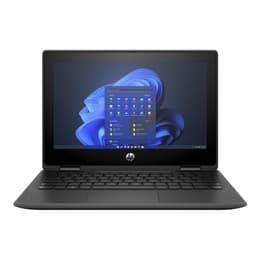
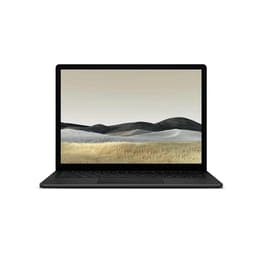
The HP Pro x360 Fortis G10 11-inch (released in 2023) and the Microsoft Surface Laptop 3 13-inch (released in 2019) represent distinct approaches to portable computing, catering to different workflow requirements. While the HP model offers a modern convertible design with a smaller footprint, the Microsoft model focuses on a traditional clamshell format with a more expansive screen. Both devices run on Windows operating systems, but they differ significantly in their form factor, release timeline, and physical construction.

Available Models

Storage (GB)

Processor

Memory (GB)

Scores

Durability

When evaluating the longevity and support lifecycle of these devices, several factors regarding release timing and physical build come into play.

  • Release timeline and age: The HP Pro x360 Fortis G10 benefits from a newer release year, providing a longer window for current hardware and software support. The Microsoft Surface Laptop 3, being an older release, operates on an earlier generation of components.
  • Software and security updates: Both laptops receive regular operating system updates from Microsoft, though hardware lifespan depends heavily on component wear and battery degradation over time. Opting for a quality-assured refurbished option extends the usable lifecycle of either device while reducing electronic waste.
  • Repairability and build: The HP device is constructed with ruggedized elements designed to withstand daily transport in educational or mobile environments. The Surface Laptop 3 features a slim aluminum chassis that prioritizes sleek aesthetics over modular internal access.

Release Year

2022

2019

OS

Windows 11

Windows 11

Performance

Performance capabilities vary based on the internal hardware configurations, impacting how each laptop handles daily computing tasks and multitasking.

  • Everyday responsiveness: Both laptops handle standard office applications, web browsing, and document editing smoothly. The newer processor generation in the HP model offers updated efficiency, while the Surface Laptop 3 relies on mature processing architecture suited for routine workloads.
  • Memory and storage management: Storage options vary by configuration, with both devices offering solid-state drive architectures that ensure fast boot times and quick file transfers. RAM capacities on these models support standard multitasking, though heavy application use may require more cautious tab management.
  • Battery behavior: The HP model is optimized for endurance during standard working or learning sessions throughout the day. The Surface Laptop 3 provides reliable battery performance for moderate daily use, though intensive tasks will require more frequent connection to a power source.

Graphic card

Integrated Graphics

Integrated Graphics

Screen quality

The viewing experience differs notably between the two devices due to screen size, panel technology, and physical flexibility.

  • Display technology and size: The HP Pro x360 features an 11-inch touchscreen with a 360-degree hinge, allowing it to function as both a laptop and a tablet. The Surface Laptop 3 features a larger 13.5-inch traditional display with a 3:2 aspect ratio tailored for productivity and document viewing.
  • Resolution and clarity: Both screens offer clear text rendering and vibrant colors suitable for everyday viewing, media streaming, and web navigation.
  • Brightness and usability: Panel brightness levels on both laptops accommodate indoor environments and shaded outdoor spaces, though direct sunlight viewing requires higher brightness settings.

Resolution

1366 x 768

2256 x 1504

Screen type

LCD

IPS

Audiovisual

Media consumption, communication features, and peripheral output capabilities vary between these two portable computers.

  • Webcam and communication: Both laptops include integrated webcams and microphone arrays suitable for video conferencing, online classes, and virtual meetings.
  • Audio output: Built-in stereo speakers on both models deliver adequate sound clarity for casual media viewing, podcasts, and voice calls without requiring external speakers.
  • Input peripherals: The HP model includes a flexible touchscreen interface and a compact keyboard layout. The Surface Laptop 3 provides a spacious keyboard and a large glass trackpad designed for comfortable typing and precise navigation.

Miscellaneous

Physical dimensions, weight, and connectivity ports influence how easily each device integrates into mobile routines and travel setups.

  • Port selection: Both laptops include a mix of traditional USB ports and modern connection standards for accessories, external displays, and charging peripherals.
  • Dimensions and weight: The HP Pro x360 Fortis G10 features a smaller 11-inch form factor and a lightweight chassis that fits easily into compact bags. The Surface Laptop 3 is slightly larger and heavier due to its 13.5-inch screen and durable metal housing.
  • Wireless connectivity: Standard Wi-Fi and Bluetooth capabilities are present on both models, ensuring stable connections to wireless networks and peripherals.

Weight

4 oz

45 oz

Screen size

11

13

What the community thinks

User feedback and community discussions highlight distinct preferences for each laptop based on daily workflow requirements. Owners of the HP Pro x360 Fortis G10 frequently praise its versatile 360-degree hinge, compact dimensions, and rugged construction that withstands frequent transport. Conversely, users of the Microsoft Surface Laptop 3 often emphasize satisfaction with its comfortable keyboard, premium metal finish, and spacious screen real estate that facilitates multitasking.

Users prioritizing a compact, convertible device with touch capabilities and a durable frame for travel will find the HP Pro x360 Fortis G10 well-suited to their needs. Meanwhile, users who prefer a traditional laptop experience with a larger display for document editing and media consumption may lean toward the Microsoft Surface Laptop 3. Choosing a sustainable, quality-assured refurbished model from Back Market allows consumers to acquire either device while supporting eco-friendly technology consumption. Reviewing personal priorities regarding screen size, form factor, and daily tasks will guide the final decision between these two distinct portable computers.
Our recent comparisons