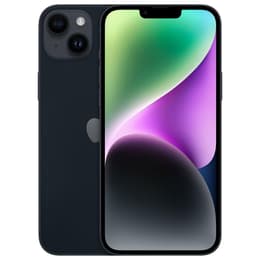

iPhone 11 Pro Max • Unlocked vs iPhone 14 Plus • Locked T-Mobile

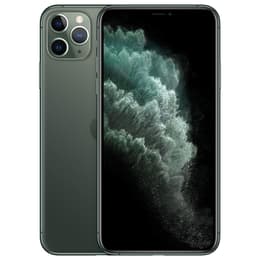
iPhone 11 Pro Max • Unlocked
Starting at

Refurbished price:$214.00

Versus $849.00 new

See options
iPhone 14 Plus • Locked T-Mobile
Starting at

Refurbished price:$344.23

Versus $699.00 new

See options

Ratings

The iPhone 11 Pro Max, released in September 2019, and the iPhone 14 Plus, launched in September 2022, represent different generations within Apple's smartphone lineup. While both offer large display experiences, the iPhone 14 Plus introduces a more recent processor, enhanced camera capabilities, and updated connectivity options compared to its predecessor. Both devices operate on Apple's iOS platform, ensuring a consistent software experience, though the 14 Plus benefits from a longer period of future software support.

Scores

Durability

When considering the long-term usability of these devices, their release timelines and subsequent software support are key factors.

  • Software Updates: The iPhone 14 Plus, being a 2022 model, is expected to receive major iOS updates for several years longer than the iPhone 11 Pro Max, which was released in 2019. This extended software support on the 14 Plus ensures access to the latest features, security patches, and app compatibility for a more prolonged period.
  • Physical Durability: Both models feature glass front and back designs. The iPhone 11 Pro Max uses a stainless steel frame, while the iPhone 14 Plus incorporates an aluminum frame and benefits from a Ceramic Shield front cover, which offers enhanced drop performance.
  • Expected Lifespan: Users prioritizing maximum software longevity and the latest security enhancements will find the iPhone 14 Plus better suited for extended use. The iPhone 11 Pro Max, while still functional, is nearing the end of its major software update cycle.

Release Year

2019

2022

Last OS Compatibility

Yes

Yes

OS

iOS

iOS

Foldable

No

No

Performance

The performance of a smartphone is largely determined by its internal processing power and how efficiently it manages tasks and power consumption.

  • Processing Power: The iPhone 14 Plus features a more advanced processor compared to the iPhone 11 Pro Max. This translates to faster app loading times, smoother multitasking, and more fluid performance in demanding applications and games on the 14 Plus.
  • Multitasking and Responsiveness: The iPhone 14 Plus includes 6GB of RAM, while the iPhone 11 Pro Max has 4GB of RAM. This difference allows the 14 Plus to handle more applications simultaneously in the background without needing to reload them, contributing to a more seamless user experience when switching between apps.
  • Battery Behavior: The iPhone 14 Plus is equipped with a larger battery capacity (4325 mAh) and a more power-efficient processor than the iPhone 11 Pro Max (3969 mAh). This combination generally results in longer battery life for the 14 Plus under typical usage conditions, meaning less frequent charging for many users.

Memory (GB)

4 GB

6 GB

Screen quality

Both devices offer high-quality displays, but there are distinctions in size and brightness that impact the viewing experience.

  • Display Technology and Size: Both the iPhone 11 Pro Max and iPhone 14 Plus utilize OLED display technology, known for its deep blacks and vibrant colors. The iPhone 11 Pro Max has a 6.5-inch display, while the iPhone 14 Plus offers a slightly larger 6.7-inch display, providing a more expansive viewing area.
  • Resolution and Clarity: Both phones feature a pixel density of approximately 458 pixels per inch (ppi), ensuring sharp text and clear images. The resolutions are 2688x1242 pixels for the 11 Pro Max and 2778x1284 pixels for the 14 Plus, maintaining visual fidelity across their respective screen sizes.
  • Brightness and Refresh Rate: Both models offer a typical maximum brightness of 800 nits and a peak HDR brightness of 1200 nits, which is beneficial for outdoor visibility and HDR content consumption. Both displays operate at a standard 60Hz refresh rate.

Resolution

1242 x 2688

1284 x 2778

Screen type

Super Retina XDR OLED

Super Retina XDR OLED

Audiovisual

The camera systems on both iPhones are capable, but the newer model incorporates advancements in computational photography and video features.

  • Rear Camera System: The iPhone 11 Pro Max features a versatile triple-lens 12MP system, including wide, ultra-wide, and telephoto lenses, offering 2x optical zoom in and out. The iPhone 14 Plus has a dual 12MP camera system with a main wide lens and an ultra-wide lens, lacking a dedicated telephoto lens.
  • Photography Enhancements: The iPhone 11 Pro Max introduced Night Mode and Deep Fusion for improved low-light and detailed photography. The iPhone 14 Plus builds on this with a larger main sensor, a faster aperture (f/1.5), and the Photonic Engine, which significantly enhances low-light performance across all cameras.
  • Video Capabilities: Both phones record 4K video. The iPhone 14 Plus introduces advanced video features like Cinematic Mode, which adds a shallow depth of field to videos, and Action Mode, providing enhanced stabilization for dynamic footage.

Main camera

12 megapixels

12 megapixels

Front camera

12 megapixels

12 megapixels

Miscellaneous

Beyond core features, several practical elements differentiate these two iPhone models.

  • Connectivity: A significant difference lies in cellular connectivity. The iPhone 14 Plus supports 5G networks, offering faster download and upload speeds where available, while the iPhone 11 Pro Max is limited to 4G LTE. Both support Wi-Fi 6, but the 14 Plus features Bluetooth 5.3 compared to Bluetooth 5.0 on the 11 Pro Max.
  • Physical Design and Handling: The iPhone 11 Pro Max is slightly heavier at 226 grams with a stainless steel frame, while the iPhone 14 Plus is lighter at 203 grams with an aluminum frame. The 14 Plus also has a slightly larger screen in a body that is marginally taller and wider but thinner.
  • Safety Features: The iPhone 14 Plus includes advanced safety features such as Crash Detection, which can automatically alert emergency services in the event of a severe car crash, and Emergency SOS via Satellite, allowing communication in areas without cellular or Wi-Fi coverage. These features are not present on the iPhone 11 Pro Max.

Weight

8 oz

7 oz

Screen size (inches)

6.5

6.7

Network

LTE

5G

SIM card

Physical SIM + eSIM

eSIM

Carrier compatibility

Unlocked

T-Mobile

Connector

Lightning

Lightning

Choosing between the iPhone 11 Pro Max and the iPhone 14 Plus involves weighing the benefits of a more recent model against the capabilities of an older, formerly top-tier device. User feedback often praises the iPhone 11 Pro Max for its robust build and the inclusion of a dedicated telephoto lens, which some users find valuable for specific photography needs. However, common criticisms for the 11 Pro Max in today's context often revolve around its aging processor and the eventual cessation of software updates.

The iPhone 14 Plus, on the other hand, is frequently lauded for its extended battery life, the larger and brighter display, and the significant improvements in low-light photography and video stabilization. Its 5G connectivity and advanced safety features like Crash Detection are also key advantages highlighted by users. Some users might note that while the 14 Plus offers a larger screen, it lacks the telephoto lens found on the older Pro Max model.

Users who prioritize having the latest software updates, faster performance for demanding applications, superior low-light photography, and modern connectivity like 5G will find the iPhone 14 Plus to be a more suitable option. Its larger display and enhanced battery life also cater well to those who consume a lot of media or require their device to last longer throughout the day. Conversely, users who value a dedicated telephoto camera and are content with 4G LTE connectivity, and who don't require the absolute latest processing power, might still find the iPhone 11 Pro Max a capable device for everyday tasks. For those looking for an eco-friendly and quality-assured alternative, both models are available as refurbished options, offering a sustainable choice for consumers.

See all articles

Our recent comparisons