
iPhones
Compare models
Differences at a glance
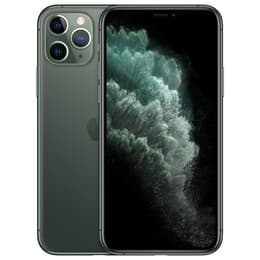
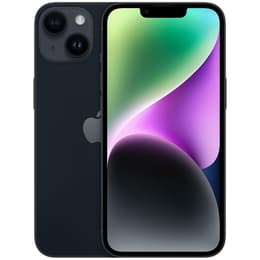
The iPhone 11 Pro, released in September 2019, and the iPhone 14, launched in September 2022, represent different generations of Apple's smartphone lineup. While both devices operate on the iOS platform, the iPhone 14 introduces notable advancements in processing power, camera capabilities, and connectivity, reflecting three years of technological evolution. These differences cater to varying user needs and priorities.
Color
Storage
When considering the practical lifespan of these devices, their release timelines and ongoing software support are key factors. The iPhone 14, being a newer model, is expected to receive software updates for a longer duration compared to the iPhone 11 Pro.
Release Year
Last OS Compatibility
OS
Foldable
The performance of a smartphone significantly impacts daily usage, from launching applications to handling demanding tasks. The iPhone 14 benefits from a more recent processor, offering a noticeable upgrade in overall responsiveness compared to the iPhone 11 Pro.
Both the iPhone 11 Pro and iPhone 14 feature high-quality OLED displays, providing vibrant colors and deep blacks. However, there are subtle differences in size and brightness that can affect the viewing experience.
Resolution
Screen type
The camera systems on both the iPhone 11 Pro and iPhone 14 are capable of capturing high-quality photos and videos, but the newer model incorporates significant advancements, particularly in low-light performance and video features.
Main camera
Front camera
Beyond core performance and display, several other features contribute to the overall user experience, including connectivity, physical design, and biometric security.
Weight
Width
Height
Depth
Screen size (inches)
Network
SIM card
Carrier compatibility
Connector
User sentiment often highlights the iPhone 11 Pro as a highly capable device for its time, praised for its robust build and the introduction of a versatile triple-camera system, including a telephoto lens. Common criticisms, particularly in recent years, often revolve around its aging processor and the absence of 5G connectivity. Users appreciate its compact size for one-handed use.
The iPhone 14, on the other hand, receives praise for its significant camera improvements, especially in low-light photography and video stabilization features like Cinematic Mode and Action Mode. Its enhanced performance and the inclusion of 5G are also frequently cited as strong points. Some users, however, note that its design is largely similar to previous non-Pro models, and the lack of a telephoto lens compared to the 11 Pro is a point of consideration for some.
Users prioritizing a more modern experience with faster performance, 5G connectivity, and advanced computational photography features, particularly for video, may find the iPhone 14 better suited to their needs. Its extended software support also makes it a choice for those seeking longer device longevity. Conversely, users who value a dedicated telephoto lens, a slightly more compact form factor, and are content with LTE speeds for everyday tasks might still find the iPhone 11 Pro to be a capable device. Opting for a quality-assured refurbished iPhone 11 Pro can also be an eco-friendly alternative for those seeking a reliable device with a proven track record.