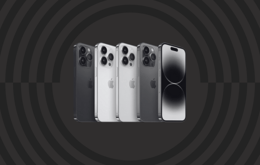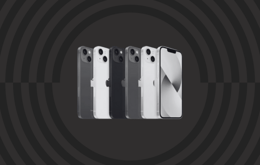

iPhone 13 Pro • Unlocked vs iPhone 14 Plus • Locked T-Mobile

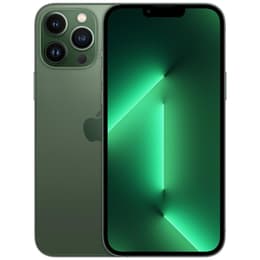
iPhone 13 Pro • Unlocked
Starting at

Refurbished price:$299.99

Versus $899.00 new

See options
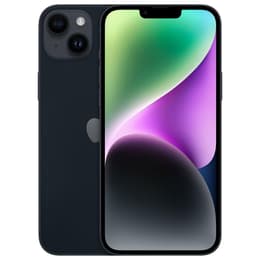
iPhone 14 Plus • Locked T-Mobile
Starting at

Refurbished price:$344.23

Versus $699.00 new

See options

Ratings

The iPhone 13 Pro, released in September 2021, and the iPhone 14 Plus, launched in October 2022, represent different approaches within Apple's smartphone lineup. While both devices operate on the iOS ecosystem and share a similar core processor, they diverge significantly in display technology, physical size, and camera capabilities. This comparison aims to highlight these practical differences to assist users in making an informed decision.

Scores

Durability

When considering the long-term usability of these devices, several factors contribute to their expected lifespan, including software support, physical durability, and ease of repair.

  • Release Timeline and Software Support: The iPhone 13 Pro, being released a year earlier, will likely receive major iOS updates for one less year than the iPhone 14 Plus. Both devices are known for receiving consistent software updates from Apple, ensuring access to new features and security enhancements for several years post-launch.
  • Physical Durability: Both models feature a Ceramic Shield front cover and are rated IP68 for water and dust resistance, indicating a similar level of protection against environmental elements. The iPhone 13 Pro utilizes a stainless steel frame, while the iPhone 14 Plus features an aluminum design.
  • Repairability: The iPhone 13 Pro received an iFixit repairability score of 5 out of 10, with display and battery replacements being relatively accessible. However, software limitations can complicate third-party repairs, particularly concerning Face ID functionality if non-genuine screens are used. Information suggests similar repair challenges for the iPhone 14 Plus.

Release Year

2021

2022

Last OS Compatibility

Yes

Yes

OS

iOS

iOS

Foldable

No

No

Performance

Both the iPhone 13 Pro and iPhone 14 Plus deliver robust performance for daily tasks and demanding applications, powered by the same generation of Apple's internal processing unit.

  • Processor Capabilities: Both devices are equipped with the A15 Bionic chip, featuring a 6-core CPU and a 5-core GPU. This ensures smooth operation for multitasking, graphic-intensive games, and complex applications. Users can expect responsive performance across a wide range of activities.
  • Battery Behavior: The iPhone 14 Plus generally offers superior battery life, often cited as one of the best in an iPhone, capable of lasting through extended periods of heavy use. This is partly due to its larger physical size allowing for a larger battery capacity and its 60Hz display. The iPhone 13 Pro also provides excellent battery endurance for its size, with users reporting it can comfortably last a full day for most.
  • Storage Options and RAM: Both models offer various internal storage configurations, starting from 128GB and going up to 512GB for the iPhone 14 Plus, and up to 1TB for the iPhone 13 Pro. Both devices come with 6GB of RAM, contributing to efficient multitasking and app management.

Memory (GB)

6 GB

6 GB

Screen quality

The visual experience on both iPhones is characterized by vibrant colors and sharp details, though there are key distinctions in their display technologies and sizes.

  • Display Technology and Size: The iPhone 13 Pro features a 6.1-inch Super Retina XDR OLED display, while the iPhone 14 Plus boasts a larger 6.7-inch Super Retina XDR OLED display. Both offer excellent contrast and color accuracy, making content appear vivid and true-to-life.
  • Refresh Rate: A significant difference lies in the refresh rate. The iPhone 13 Pro includes ProMotion technology, offering an adaptive refresh rate that can scale from 10Hz to 120Hz. This results in smoother scrolling and more fluid animations. The iPhone 14 Plus maintains a standard 60Hz refresh rate.
  • Brightness and Clarity: Both displays offer high brightness levels, with typical maximum brightness around 800-1000 nits and peak HDR brightness reaching 1200 nits, ensuring good visibility even in bright outdoor conditions. The resolution on both provides a pixel density of approximately 458-460 pixels per inch, delivering sharp text and images.

Resolution

1170 x 2532

1284 x 2778

Screen type

Super Retina XDR OLED

Super Retina XDR OLED

Audiovisual

Both iPhones offer capable camera systems, but the iPhone 13 Pro provides a more versatile setup for photography enthusiasts, while the iPhone 14 Plus focuses on enhancing core camera performance.

  • Rear Camera Systems: The iPhone 13 Pro features a triple-camera system, including a 12MP Wide, 12MP Ultra-Wide, and a 12MP Telephoto lens with 3x optical zoom. It also supports macro photography. The iPhone 14 Plus has a dual-camera system, comprising an upgraded 12MP Main camera with a larger sensor and a 12MP Ultra-Wide camera.
  • Low-Light Performance and Features: Both devices offer improved low-light photography. The iPhone 13 Pro benefits from its larger sensors and wider apertures, while the iPhone 14 Plus introduces the Photonic Engine for enhanced image processing in challenging lighting. The iPhone 13 Pro also includes Night mode on all cameras and ProRes video recording. The iPhone 14 Plus introduces Action mode for stabilized video.
  • Front Camera and Audio: Both phones feature a 12MP TrueDepth front camera. The iPhone 14 Plus's front camera includes autofocus and a wider aperture, leading to improved selfie quality, especially in lower light. Both devices offer quality microphone performance for calls and video recording, and stereo speakers for media consumption.

Main camera

12 megapixels

12 megapixels

Front camera

12 megapixels

12 megapixels

Miscellaneous

Beyond the core features, several practical elements differentiate the user experience and handling of these two iPhone models.

  • Connectivity and Ports: Both the iPhone 13 Pro and iPhone 14 Plus support 5G connectivity for fast cellular data speeds and feature the Lightning port for charging and data transfer. They also support current Wi-Fi standards and Bluetooth for wireless connections.
  • Biometric Security: Both devices rely on Face ID for secure facial recognition, enabling quick unlocking and authentication for payments and apps. Neither model includes a fingerprint sensor.
  • Physical Characteristics: The iPhone 13 Pro is a more compact device, weighing 204 grams with dimensions of 146.7 x 71.5 x 7.65 mm. The iPhone 14 Plus is larger and slightly lighter for its size at 203 grams, with dimensions of 160.8 x 78.1 x 7.8 mm, offering a larger screen footprint. The 13 Pro uses a stainless steel frame, while the 14 Plus uses an aluminum frame.

Weight

6 oz

7 oz

Screen size (inches)

6.1

6.7

Network

5G

5G

SIM card

Physical SIM + eSIM

eSIM

Carrier compatibility

Unlocked

T-Mobile

Connector

Lightning

Lightning

The iPhone 13 Pro and iPhone 14 Plus cater to slightly different user preferences, despite sharing a common operating system and a similar generation of internal processing power. Users frequently praise the iPhone 13 Pro for its ProMotion display, which offers a noticeably smoother visual experience, and its versatile triple-camera system, particularly the telephoto lens and macro capabilities. Some users, however, noted that the 13 Pro's battery life, while good, could be surpassed by larger models.

The iPhone 14 Plus is often lauded for its exceptional battery life, frequently cited as one of the best among iPhones, and its larger display, which provides an expansive viewing area for media and productivity. Criticisms sometimes point to its standard 60Hz refresh rate, which some users accustomed to higher refresh rates might find less fluid.

Users prioritizing a compact form factor with advanced camera features, including optical zoom and macro photography, along with a high refresh rate display, may find the iPhone 13 Pro well-suited to their needs. Conversely, users who value a larger screen for media consumption and extended battery life above all else, and for whom a 60Hz display is sufficient, will likely lean towards the iPhone 14 Plus. Both devices offer a reliable and secure iOS experience. For those seeking an eco-friendly alternative, quality-assured refurbished options for both models are available, providing a sustainable choice for acquiring these capable smartphones.

See all articles

Our recent comparisons