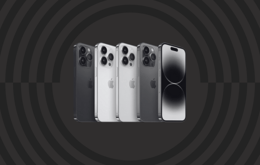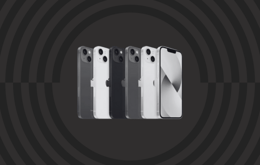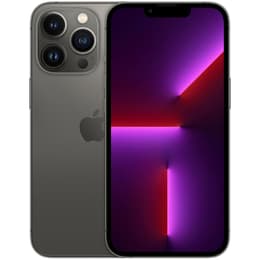
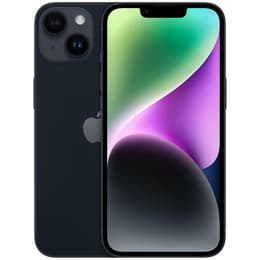

iPhone 13 Pro • Unlocked vs iPhone 14 • Locked T-Mobile

iPhone 13 Pro • Unlocked
Starting at

Refurbished price:$299.99

Versus $899.00 new

See options
iPhone 14 • Locked T-Mobile
Starting at

Refurbished price:$269.00

Versus $599.00 new

See options

Ratings

The iPhone 13 Pro, released in September 2021, and the iPhone 14, launched in September 2022, represent two distinct offerings within Apple's smartphone lineup. While both devices operate on the iOS platform and share a similar design language, they cater to slightly different user priorities through variations in their display technology, camera systems, and build materials. The iPhone 13 Pro emphasizes advanced display smoothness and a versatile camera array, whereas the iPhone 14 introduces enhanced safety features and a focus on core performance improvements.

Scores

Durability

When considering the long-term usability of these devices, several factors contribute to their expected practical lifespan.

  • Release Timeline and Software Support: The iPhone 13 Pro, being released in 2021, will likely receive major iOS updates for approximately one year less than the iPhone 14, which launched in 2022. Both devices are expected to continue receiving security updates for a period beyond their final major OS upgrade.
  • Build Materials: The iPhone 13 Pro features a stainless steel frame, which offers a robust feel and increased resistance to bending and scratches compared to the aerospace-grade aluminum frame of the iPhone 14. Both models utilize Ceramic Shield on the front for enhanced drop protection and carry an IP68 rating for dust and water resistance.
  • Repairability: Both the iPhone 13 Pro and iPhone 14 are designed with similar internal layouts, suggesting comparable ease of repair for common components. The availability of parts for both models is expected to remain good for several years, supporting their continued use as quality-assured refurbished options.

Release Year

2021

2022

Last OS Compatibility

Yes

Yes

OS

iOS

iOS

Foldable

No

No

Performance

Both the iPhone 13 Pro and iPhone 14 deliver capable performance for everyday tasks and demanding applications, powered by the same generation of Apple's internal processing unit.

  • Processor Capabilities: Both devices are equipped with the A15 Bionic chip. The iPhone 13 Pro's version of this chip includes a 5-core graphics processing unit, which is also present in the iPhone 14. This configuration ensures smooth operation across various applications, from casual browsing to graphically intensive games.
  • System Responsiveness and Multitasking: With 6GB of RAM in both models, users can expect efficient multitasking and quick app loading times. Applications remain open in the background without frequent reloading, contributing to a fluid user experience.
  • Storage Options: The iPhone 13 Pro offers a wider range of storage configurations, including a 1TB option, in addition to 128GB, 256GB, and 512GB. The iPhone 14 is available with 128GB, 256GB, and 512GB of internal storage.

Memory (GB)

6 GB

6 GB

Screen quality

The visual experience on both devices is characterized by vibrant colors and sharp details, though there are notable differences in display technology that impact smoothness and outdoor visibility.

  • Display Technology and Refresh Rate: Both phones feature a 6.1-inch Super Retina XDR OLED display, offering deep blacks and excellent contrast. A key distinction lies in the refresh rate: the iPhone 13 Pro boasts ProMotion technology, providing an adaptive refresh rate up to 120Hz for smoother scrolling and more responsive interactions. The iPhone 14 maintains a standard 60Hz refresh rate.
  • Brightness Levels: The iPhone 13 Pro offers a higher typical maximum brightness of 1000 nits, compared to the iPhone 14's 800 nits. Both can reach a peak brightness of 1200 nits for HDR content, but the iPhone 13 Pro's higher typical brightness can be advantageous for visibility in bright outdoor conditions.
  • Resolution and Clarity: Both displays share the same 2532 x 1170 pixel resolution, resulting in a high pixel density that ensures sharp text and clear images for everyday viewing.

Resolution

1170 x 2532

1170 x 2532

Screen type

Super Retina XDR OLED

Super Retina XDR OLED

Audiovisual

The camera systems on the iPhone 13 Pro and iPhone 14 offer distinct capabilities, catering to different photographic needs and preferences.

  • Rear Camera System: The iPhone 13 Pro features a versatile triple-camera setup, including a 12MP main wide lens, a 12MP ultra-wide lens, and a 12MP telephoto lens with 3x optical zoom. It also supports macro photography. The iPhone 14 comes with a dual-camera system, comprising a 12MP main wide lens and a 12MP ultra-wide lens, lacking a dedicated telephoto lens.
  • Low-Light Performance and Features: The iPhone 14 introduces the Photonic Engine, an image pipeline enhancement designed to improve low-light performance across all cameras. While the iPhone 13 Pro also excels in low-light conditions, the Photonic Engine can offer advantages in capturing detail and color in challenging lighting.
  • Video Recording and Front Camera: Both devices offer high-quality video recording, including Cinematic Mode. The iPhone 14 features an improved front-facing camera with autofocus, which can result in sharper selfies and better performance in varied lighting. The iPhone 13 Pro's telephoto lens provides more flexibility for zoomed-in video.

Main camera

12 megapixels

12 megapixels

Front camera

12 megapixels

12 megapixels

Miscellaneous

Beyond core performance and display, several practical elements differentiate the user experience between these two iPhone models.

  • Connectivity and Ports: Both devices support 5G cellular connectivity and the latest Wi-Fi standards. A notable difference for users in the US is that the iPhone 14 models are eSIM-only, meaning they do not have a physical SIM card slot, unlike the iPhone 13 Pro. Both continue to use the Lightning port for charging and data transfer.
  • Safety Features: The iPhone 14 introduces advanced safety capabilities such as Crash Detection, which can automatically alert emergency services in the event of a severe car crash, and Emergency SOS via Satellite, allowing users to connect with emergency services in areas without cellular or Wi-Fi coverage. The iPhone 13 Pro does not include these features.
  • Physical Design and Handling: The iPhone 13 Pro has a slightly heavier build due to its stainless steel frame, weighing 204g, compared to the iPhone 14's 172g aluminum frame. While both have similar dimensions, the iPhone 13 Pro's frosted glass back offers a different tactile experience than the iPhone 14's glossy finish.

Weight

6 oz

6 oz

Screen size (inches)

6.1

6.1

Network

5G

5G

SIM card

Physical SIM + eSIM

eSIM

Carrier compatibility

Unlocked

T-Mobile

Connector

Lightning

Lightning

The choice between the iPhone 13 Pro and the iPhone 14 ultimately depends on individual user priorities and how each device's strengths align with daily usage patterns. Users frequently praise the iPhone 13 Pro for its ProMotion display, which offers a noticeably smoother visual experience, and its versatile triple-camera system, particularly the dedicated telephoto lens and macro capabilities. Some users also appreciate the more premium feel of its stainless steel frame. Criticisms sometimes point to its weight compared to non-Pro models.

The iPhone 14 is often lauded for its enhanced safety features, such as Crash Detection and Emergency SOS via Satellite, which provide an added layer of security. Its improved low-light camera performance, thanks to the Photonic Engine, is also a common point of praise. Some users, particularly those upgrading from older models, find the 60Hz display a non-issue, while others coming from Pro models might notice the difference in smoothness. The transition to eSIM-only for US models is a practical consideration for some travelers.

Users prioritizing a highly fluid display and a comprehensive camera system with optical zoom and macro capabilities may find the iPhone 13 Pro better suited to their needs. Conversely, those who value the latest safety innovations and slightly improved low-light photography, and do not require a telephoto lens or a high refresh rate display, might lean towards the iPhone 14. Both devices offer robust performance and a reliable iOS experience. For those seeking a sustainable choice, exploring quality-assured refurbished options for either model can provide an excellent way to access these technologies.

See all articles

Our recent comparisons