
iPhone 13 Pro • Unlocked vs OnePlus 12 • Unlocked

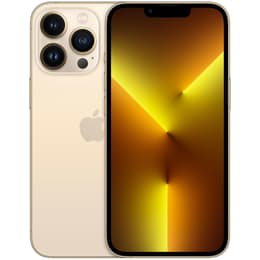
iPhone 13 Pro • Unlocked
Starting at

Refurbished price:$299.99

Versus $899.00 new

See options
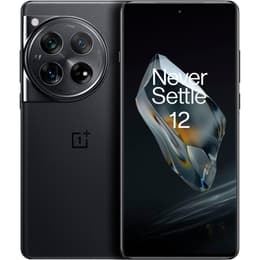
OnePlus 12 • Unlocked
Starting at

Refurbished price:$746.99

Versus $1,200.00 new

See options

Ratings

The iPhone 13 Pro, released in September 2021, and the OnePlus 12, launched globally in early 2024, represent distinct approaches to high-end smartphone design and functionality. While both devices offer robust performance and advanced camera systems, they differ significantly in their operating systems, display characteristics, and overall user experience, catering to varied preferences.

Scores

Durability

When considering the long-term usability of a smartphone, factors like release timeline, software support, and repairability play a crucial role.

  • Release Timeline: The iPhone 13 Pro was introduced in September 2021, making it an older device compared to the OnePlus 12, which saw its global release in early 2024.
  • Software Longevity: Apple typically provides iOS updates for its devices for approximately 5-6 years from their release. The OnePlus 12, running Android, is expected to receive 4 years of OS updates and 5 years of security updates.
  • Repairability: The iPhone 13 Pro received a repairability score of 5 out of 10 from iFixit, noting that while display and battery replacements are prioritized, software limitations can complicate third-party repairs, potentially affecting features like Face ID. The OnePlus 12 is described as having moderate repairability, with some sources suggesting a score around 7.5 out of 10, though strong adhesive for the back cover and battery can present challenges.

Release Year

2021

2023

Last OS Compatibility

Yes

Yes

OS

iOS

Android

Foldable

No

No

Performance

Both devices are engineered to deliver a smooth and responsive user experience, though they achieve this through different hardware configurations.

  • Processor Capabilities: The iPhone 13 Pro is equipped with a powerful chip that handles demanding applications and multitasking efficiently, ensuring smooth operation across various tasks. The OnePlus 12 features a more recent generation processor, providing enhanced speed and efficiency for current and future applications.
  • Storage and RAM: The iPhone 13 Pro offers storage options up to 1TB and comes with 6GB of RAM. The OnePlus 12 provides storage up to 1TB (regionally) and significantly more RAM, with options up to 16GB, which can benefit extensive multitasking and resource-intensive applications.
  • Battery Behavior: The iPhone 13 Pro offers a battery capacity that generally lasts through a full day of typical use. The OnePlus 12 features a larger battery, which users report contributes to excellent battery life, often extending beyond a single day even with heavy usage.

Memory (GB)

6 GB

16 GB

Screen quality

The visual experience on both smartphones is a highlight, with each offering a high-quality display tailored to different preferences.

  • Display Technology and Size: The iPhone 13 Pro features a 6.1-inch Super Retina XDR OLED display, known for its deep blacks and vibrant colors. The OnePlus 12 boasts a larger 6.82-inch LTPO AMOLED display, offering an expansive viewing area.
  • Resolution and Brightness: The iPhone 13 Pro has a resolution of 2532 x 1170 pixels, with a typical brightness of 1000 nits and a peak HDR brightness of 1200 nits. The OnePlus 12 offers a higher resolution of 3168 x 1440 pixels and an exceptionally high peak brightness of 4500 nits, with 1600 nits in High Brightness Mode, making it highly visible even in bright outdoor conditions.
  • Refresh Rate: Both devices feature adaptive refresh rates up to 120Hz, providing smooth scrolling and responsive interactions. The iPhone 13 Pro's ProMotion technology dynamically adjusts from 10Hz to 120Hz. The OnePlus 12's LTPO display also offers a dynamic refresh rate ranging from 1Hz to 120Hz for efficient power consumption.

Resolution

1170 x 2532

1440 x 3168

Screen type

Super Retina XDR OLED

LTPO AMOLED

Audiovisual

Both smartphones offer advanced camera systems designed to capture high-quality photos and videos, though with different strengths and features.

  • Rear Camera System: The iPhone 13 Pro features a versatile triple 12MP camera system, including a wide, ultrawide with macro capabilities, and a 3x optical telephoto lens, enhanced by a LiDAR scanner for improved depth sensing and low-light focusing. The OnePlus 12 comes with a triple camera setup featuring a 50MP main sensor, a 48MP ultrawide lens, and a 64MP periscope telephoto lens with 3x optical zoom, benefiting from Hasselblad tuning for color science.
  • Photography Performance: The iPhone 13 Pro excels in low-light photography and offers features like Cinematic mode for video with shallow depth of field and ProRes video recording. The OnePlus 12 is praised for its versatile camera module, producing true-to-life photos in various conditions, with strong performance in portraits and selfies, and effective zoom capabilities.
  • Front Camera and Audio: The iPhone 13 Pro includes a front camera with TrueDepth for secure facial recognition. The OnePlus 12 features a 32MP front camera, which users find to be quite capable, even in low light. Both devices offer a good media consumption experience, with the OnePlus 12 often highlighted for its loud and clear speaker output.

Main camera

12 megapixels

50 megapixels

Front camera

12 megapixels

32 megapixels

Miscellaneous

Beyond core features, several practical elements contribute to the overall user experience and device utility.

  • Connectivity and Ports: Both devices support 5G connectivity for fast mobile data. The iPhone 13 Pro uses a Lightning port and supports Wi-Fi 6 and Bluetooth 5.0. The OnePlus 12 features a USB-C 3.2 port and supports newer standards like Wi-Fi 7 and Bluetooth 5.4.
  • Biometric Security: The iPhone 13 Pro relies on Face ID for secure facial recognition. The OnePlus 12 incorporates an under-display fingerprint sensor for biometric authentication.
  • Build and Handling: The iPhone 13 Pro has a stainless steel frame and Ceramic Shield front, weighing 204 grams. The OnePlus 12 features an aluminum frame and Gorilla Glass Victus 2 protection, weighing 220 grams, and has an IP65 rating for dust and water resistance, compared to the iPhone's IP68 rating. Users note the OnePlus 12's comfortable in-hand feel despite its size, partly due to its curved design.

Weight

6 oz

8 oz

Screen size (inches)

6.1

6.82

Network

5G

5G

SIM card

Physical SIM + eSIM

Physical SIM

Carrier compatibility

Unlocked

Unlocked

Connector

Lightning

USB-C

The iPhone 13 Pro and OnePlus 12 cater to users with differing priorities, reflecting their respective ecosystems and design philosophies. Users frequently praise the iPhone 13 Pro for its consistent camera performance, particularly its low-light capabilities and video features like Cinematic mode. Its OLED display with ProMotion also receives positive remarks for its smoothness and visual quality. Some criticisms often revolve around its proprietary Lightning port and the challenges associated with third-party repairs, especially concerning Face ID functionality.

The OnePlus 12, on the other hand, is widely lauded for its exceptional battery life, incredibly bright and expansive display, and robust overall performance. Its camera system, tuned by Hasselblad, is also a strong point, delivering versatile and high-quality images. Common user feedback sometimes points to the curved display as a potential preference issue for some, and while its speakers are generally good, some users have noted variations compared to previous models.

Users prioritizing a compact device with a highly refined operating system and advanced video capabilities may find the iPhone 13 Pro well-suited to their needs. Conversely, those who value a larger, brighter display, extended battery life, faster charging, and a more open Android ecosystem with extensive customization options might lean towards the OnePlus 12. Both devices offer a quality-assured refurbished option, providing a sustainable choice for consumers looking to extend the life cycle of electronic products.

See all articles

Our recent comparisons