Compare models
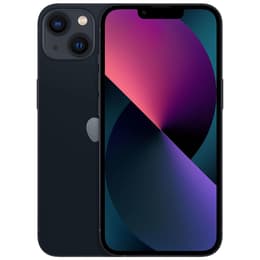
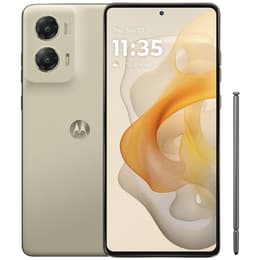
iPhone 13 • Unlocked vs Motorola Moto G Stylus 5G (2024) • Unlocked
- 1-year warranty
- Free standard shipping
- Free 30-day returns
Differences at a glance
The iPhone 13 (2021) and the Motorola Moto G Stylus 5G (2024) are popular unlocked smartphones that cater to distinct mobile ecosystems and user preferences. While the iPhone 13 operates on Apple's tightly integrated iOS platform, the Motorola device runs on Android 14 and incorporates a physical built-in stylus. The primary differentiators between these two models include their operating systems, screen refresh rates, hardware design features, and integrated toolsets.
Available Models
Color
Storage
Scores
Durability
Evaluating the durability and expected lifespan of these devices involves examining their release timelines, software update patterns, and physical repair considerations.
- Release timeline and support: The iPhone 13 was released in 2021 and typically receives multi-year software updates from Apple, whereas the Motorola Moto G Stylus 5G debuted in 2024 and operates on Android 14 with standard manufacturer update lifecycles.
- Build and repairability: Both devices feature solid construction materials, such as specialized front glass protection and durable frames, with standard availability for component repairs through authorized and independent service channels.
- Expected lifespan: Hardware longevity for both models generally supports several years of daily use, depending on battery health maintenance and software update retention.
Release Year
2021
2024
Last OS Compatibility
Yes
Yes
OS
iOS
Android
Foldable
No
No
Performance
Performance and daily responsiveness vary based on each device's internal hardware architecture, multitasking capacity, and power management.
- Storage configurations: The iPhone 13 offers multiple fixed storage tiers starting at 128GB, while the Motorola model provides expansive internal capacity alongside microSD card expansion for additional media storage.
- Multitasking and execution: Both smartphones handle everyday applications, web browsing, and media streaming smoothly, utilizing their respective processors and ample random access memory to maintain system stability.
- Battery behavior: The Motorola device features a larger capacity power cell designed for extended standalone usage, while the iPhone 13 relies on optimized software efficiency to manage daily energy consumption through standard usage patterns.
Screen quality
Display technologies differ between the two models, impacting visual clarity, smoothness during scrolling, and outdoor readability.
- Display technology: The iPhone 13 utilizes a Super Retina XDR OLED panel with precise color reproduction, while the Motorola model features a pOLED screen with deep contrast levels and vibrant hues.
- Refresh rate and smoothness: The Motorola device supports a high 120Hz refresh rate for fluid scrolling animations, whereas the iPhone 13 maintains a standard 60Hz refresh rate.
- Brightness and outdoor use: Both displays offer high peak brightness levels, ensuring legibility under direct sunlight or bright ambient lighting conditions.
Resolution
1170 x 2532
1080 x 2400
Screen type
Super Retina XDR OLED
P-OLED
Audiovisual
Optics and media playback capabilities cater to different photography habits and multimedia consumption styles.
- Camera systems: Both phones include a dual-rear camera arrangement featuring main sensors equipped with optical image stabilization alongside ultra-wide options for landscape framing.
- Video and low-light: The iPhone 13 provides detailed low-light processing and cinematic video recording modes, while the Motorola device captures crisp everyday stills and high-resolution selfies.
- Audio output: Both models incorporate stereo speakers for media playback, with the Motorola device additionally retaining a traditional 3.5mm headphone jack for wired listening preferences.
Main camera
12 megapixels
50 megapixels
Front camera
12 megapixels
32 megapixels
Miscellaneous
Practical physical and connectivity differences shape the overall handling experience and everyday utility of each smartphone.
- Connectivity options: Both smartphones support 5G cellular networks, modern Wi-Fi standards, and Bluetooth pairing for wireless accessories.
- Port types: The iPhone 13 utilizes Apple's Lightning connector for wired charging and data transfer, whereas the Motorola device adopts the universal USB-C standard.
- Physical attributes: The Motorola model features a slightly larger footprint to accommodate its integrated stylus compartment, while the iPhone 13 presents a more compact and pocket-friendly form factor.
Weight
6 oz
7 oz
Screen size (inches)
6.1
6.7
Network
5G
5G
SIM card
Physical SIM + eSIM
Physical SIM
Carrier compatibility
Unlocked
Unlocked
Connector
Lightning
USB-C
What the community thinks
Users prioritizing a compact build, long-term software ecosystem stability, and cinematic video tools often find the iPhone 13 well-suited to their daily routines. Conversely, individuals who value expandable storage, a high-refresh-rate display, a traditional headphone jack, and integrated note-taking capabilities via a physical stylus frequently gravitate toward the Motorola Moto G Stylus 5G (2024). Examining these core workflow differences helps determine which device aligns with specific daily habits. For consumers seeking sustainable choices, choosing a quality-assured refurbished option provides an eco-friendly alternative that extends device life cycles without compromising functional performance. Ultimately, selecting between these two unlocked smartphones depends entirely on whether an iOS environment or an Android system with stylus integration better supports personal preferences.