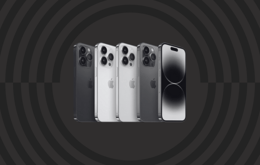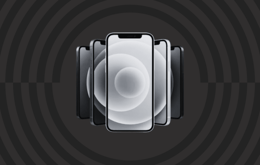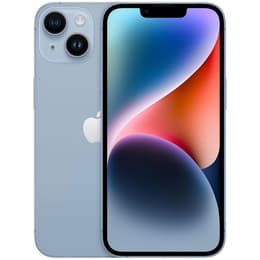
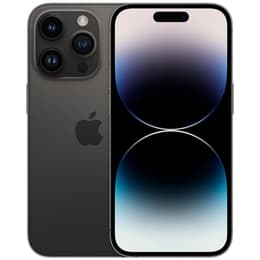

iPhone 14 • Locked AT&T vs iPhone 14 Pro • Unlocked

iPhone 14 • Locked AT&T
Starting at

Refurbished price:$225.72

Versus $629.00 new

See options
iPhone 14 Pro • Unlocked
Starting at

Refurbished price:$354.99

Versus $999.00 new

See options

Ratings

The iPhone 14 and iPhone 14 Pro, both released in September 2022, represent distinct tiers within Apple's smartphone lineup. While they share the same operating system and fundamental design language, the Pro model introduces several advanced features, including a more capable processor, a sophisticated camera system, and a more interactive display experience.

Scores

Durability

Both the iPhone 14 and iPhone 14 Pro were released at the same time, meaning they are likely to receive software updates for a similar duration.

  • Software Longevity: Both models launched with iOS 16 and are expected to receive major iOS updates for approximately 5-6 years from their release, ensuring continued access to new features and security enhancements.
  • Build Materials: The iPhone 14 features an aerospace-grade aluminum frame and a glass back, while the iPhone 14 Pro utilizes a surgical-grade stainless steel frame and a textured matte glass back, offering a more robust feel. Both models include Ceramic Shield protection on the front display for enhanced durability against drops.
  • Repairability: The iPhone 14 features a redesigned internal architecture that allows for easier access to internal components from both the front and back, potentially simplifying certain repairs. The iPhone 14 Pro, however, primarily opens from the front by removing the screen.

Release Year

2022

2022

Last OS Compatibility

Yes

Yes

OS

iOS

iOS

Foldable

No

No

Performance

The performance capabilities of these two devices differ due to their internal components, impacting how they handle demanding tasks and overall responsiveness.

  • Processing Power: The iPhone 14 is equipped with a capable processor that handles everyday applications and multitasking smoothly. The iPhone 14 Pro, however, features a newer, more advanced processor designed for enhanced power efficiency and superior performance in intensive applications, such as advanced gaming and professional-grade photo and video editing.
  • System Responsiveness: For typical daily use, both phones offer a fluid experience. However, the iPhone 14 Pro's more powerful processor provides a noticeable advantage in speed and efficiency when running multiple demanding applications simultaneously or processing complex tasks.
  • Storage Options: Both models offer 128GB, 256GB, and 512GB storage configurations. The iPhone 14 Pro also provides an additional 1TB storage option, catering to users with extensive storage needs for large files and media.

Memory (GB)

6 GB

6 GB

Screen quality

Both the iPhone 14 and iPhone 14 Pro feature high-quality OLED displays, but the Pro model incorporates several advanced technologies that enhance the visual experience.

  • Display Technology and Refresh Rate: Both devices utilize Super Retina XDR OLED displays, offering vibrant colors and deep blacks. The iPhone 14 has a standard 60Hz refresh rate, while the iPhone 14 Pro features ProMotion technology, allowing for an adaptive refresh rate up to 120Hz. This results in smoother scrolling and more fluid animations on the Pro model.
  • Brightness and Clarity: The iPhone 14 offers a bright display suitable for most conditions. The iPhone 14 Pro, however, can achieve significantly higher peak brightness levels, especially outdoors, making content more visible in direct sunlight.
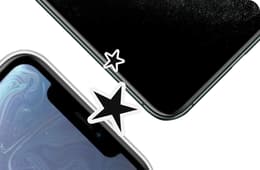
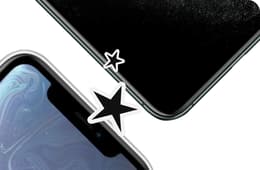
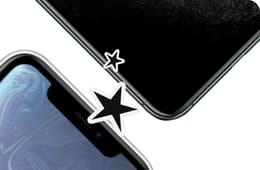
  • Interactive Elements: The iPhone 14 retains a traditional notch at the top of the display. The iPhone 14 Pro replaces this with the Dynamic Island, an interactive pill-shaped area that dynamically adapts to show alerts, notifications, and background activities.

Resolution

1170 x 2532

1179 x 2556

Screen type

Super Retina XDR OLED

LTPO Super Retina XDR OLED

Audiovisual

The camera systems are a significant point of differentiation, with the iPhone 14 Pro offering more advanced capabilities for photography and videography.

  • Main Camera System: The iPhone 14 features a dual-camera system with a 12MP main sensor and an ultrawide lens, offering improved low-light performance compared to its predecessor. The iPhone 14 Pro boasts a triple-camera system, including a 48MP main sensor, a 12MP ultrawide lens, and a 12MP telephoto lens, providing greater detail and versatility.
  • Photography Features: The iPhone 14 Pro's 48MP main sensor enables advanced features like ProRAW for more detailed images and a 2x optical zoom option by cropping the main sensor. It also includes a dedicated telephoto lens for 3x optical zoom and macro photography capabilities. The iPhone 14 relies on digital zoom beyond its optical range.
  • Video Recording: Both models support Cinematic Mode for video with a shallow depth of field and Action Mode for smooth, stabilized video capture. The iPhone 14 Pro's more powerful processor and advanced sensors contribute to enhanced video quality, particularly in challenging lighting conditions.

Main camera

12 megapixels

48 megapixels

Front camera

12 megapixels

12 megapixels

Miscellaneous

Beyond core performance and display, several other practical aspects distinguish these two iPhone models.

  • Build Materials and Weight: The iPhone 14 uses an aluminum frame, contributing to a lighter device (172 grams). The iPhone 14 Pro features a stainless steel frame, which adds to its premium feel and durability but also makes it heavier (206 grams).
  • Connectivity and Ports: Both devices support 5G connectivity and the latest Wi-Fi standards. They both utilize the Lightning port for charging and data transfer.
  • Biometric Authentication: Both models rely on Face ID for secure authentication and Apple Pay.

Weight

6 oz

7 oz

Width

2,82 in

2.81 in

Height

5,78 in

5.81 in

Depth

0,31 in

0.31 in

Screen size (inches)

6.1

6.1

Network

5G

5G

SIM card

eSIM

eSIM

Carrier compatibility

AT&T

Unlocked

Connector

Lightning

Lightning

User feedback often highlights the iPhone 14 Pro's advanced camera system, particularly its 48MP main sensor and telephoto lens, as a significant advantage for those who prioritize photography and videography. The ProMotion display and Dynamic Island are also frequently praised for enhancing the user experience and making the device feel more modern and interactive. Some users, however, note that the iPhone 14 Pro's increased weight due to its stainless steel frame can be a factor for extended use.

The standard iPhone 14 is generally appreciated for offering a strong overall experience with a capable camera and solid performance for everyday tasks. Users often find its lighter aluminum build more comfortable for prolonged handling. A common point of discussion for the iPhone 14 is its 60Hz display, which some users feel is a limitation compared to the smoother 120Hz refresh rates found on the Pro model and many other smartphones.

Users prioritizing a highly advanced camera system, a fluid and interactive display, and the most powerful processing capabilities will find the iPhone 14 Pro well-suited to their needs. Its features cater to those who engage in more demanding tasks, creative work, or simply desire the latest technological advancements. Conversely, users seeking a reliable smartphone for daily communication, social media, casual photography, and general app usage, with a focus on a lighter form factor, may find the iPhone 14 to be a practical choice. Both devices offer a quality experience, and considering a quality-assured refurbished option can provide an eco-friendly alternative for either model.


See all articles

Our recent comparisons