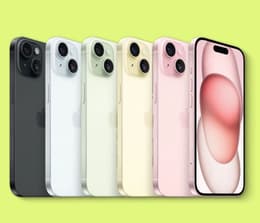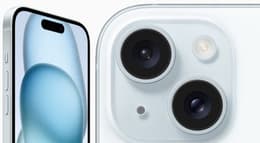
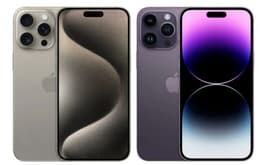
iPhone 14 Plus • Locked T-Mobile vs iPhone 15 • Locked AT&T

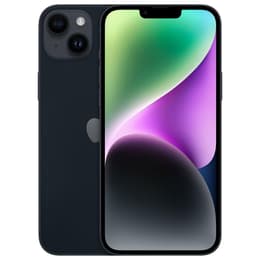
iPhone 14 Plus • Locked T-Mobile
Starting at

Refurbished price:$344.23

Versus $699.00 new

See options
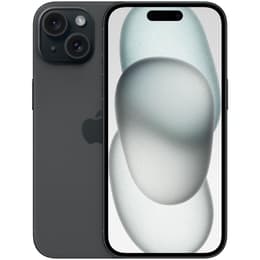
iPhone 15 • Locked AT&T
Starting at

Refurbished price:$349.43

Versus $729.00 new

See options

Ratings

The iPhone 14 Plus, released in October 2022, and the iPhone 15, launched in September 2023, represent different generations within Apple's smartphone lineup. While both offer a premium user experience, the iPhone 15 introduces several key advancements, including an updated processor, a significantly upgraded camera system, and a transition to USB-C connectivity. These differences cater to varying user preferences regarding device size, performance demands, and photographic capabilities.

Scores

Durability

When considering the practical lifespan of these devices, their release timelines and software support are important factors. Both models are built with robust materials designed for daily use.

  • Software Longevity: The iPhone 15, being a year newer, is expected to receive major iOS updates for approximately one year longer than the iPhone 14 Plus, extending its software support timeline. The iPhone 14 Plus launched with iOS 16, while the iPhone 15 debuted with iOS 17. [2, 1, 3]
  • Physical Durability: Both devices feature a Ceramic Shield front cover and an IP68 rating for water and dust resistance, indicating a similar level of protection against environmental elements. The iPhone 15 also incorporates a color-infused glass back, contributing to its overall design and feel. [4, 5, 9, 20]
  • Repairability: While specific repairability scores can vary, both iPhones are designed with Apple's ecosystem in mind. Opting for a quality-assured refurbished option for either model can further extend its useful life and contribute to a more sustainable choice.

Release Year

2022

2023

Last OS Compatibility

Yes

Yes

OS

iOS

iOS

Foldable

No

No

Performance

The processing power and overall responsiveness differ between these two generations, impacting how smoothly they handle demanding applications and multitasking.

  • Processing Power: The iPhone 15 is equipped with a more advanced processor, which translates to faster app loading times, smoother graphics in games, and more efficient handling of intensive tasks compared to the iPhone 14 Plus. [3, 5, 6, 13, 28] The iPhone 14 Plus utilizes a powerful chip from the previous year's Pro models, offering strong performance for everyday use and most applications. [2, 10, 23]
  • Multitasking and Responsiveness: Both devices offer ample memory for efficient multitasking, allowing users to switch between apps without significant slowdowns. However, the iPhone 15's newer processor provides a slight edge in maintaining peak performance over a longer period, especially with future software updates and more demanding applications. [2, 3, 5, 6, 13]
  • Battery Behavior: The iPhone 14 Plus is known for its extended battery life, often lasting through a full day of heavy use due to its larger physical size and optimized components. The iPhone 15 also offers reliable battery performance for a typical day, though its smaller form factor generally results in a slightly smaller battery capacity. [7, 12, 22, 20, 25]

Memory (GB)

6 GB

6 GB

Screen quality

The visual experience is a significant aspect of smartphone usage, and both iPhones offer high-quality displays with distinct characteristics.

  • Display Technology and Size: The iPhone 14 Plus features a larger 6.7-inch Super Retina XDR OLED display, providing an expansive viewing area ideal for media consumption and productivity. The iPhone 15 has a 6.1-inch Super Retina XDR OLED display, offering a more compact form factor. [1, 2, 4, 9]
  • Brightness and Clarity: Both displays deliver vibrant colors and deep blacks characteristic of OLED technology. The iPhone 15 offers higher typical and peak outdoor brightness levels, making content more visible in bright sunlight. [1, 5, 6, 20] The iPhone 14 Plus provides excellent brightness for most indoor and outdoor conditions. [2, 4, 9]
  • Interactive Elements: A notable difference is the iPhone 15's inclusion of the Dynamic Island, an adaptive area at the top of the display that presents alerts, activities, and notifications. The iPhone 14 Plus retains the traditional notch design. [1, 8, 30] Both maintain a standard 60Hz refresh rate. [1, 2, 3, 23]

Resolution

1284 x 2778

1179 x 2556

Screen type

Super Retina XDR OLED

Super Retina XDR OLED

Audiovisual

Photography and videography capabilities are often a deciding factor, and both models offer advanced camera systems with distinct strengths.

  • Main Camera System: The iPhone 15 features a significant upgrade with a 48-megapixel main camera, which utilizes a quad-pixel sensor to capture highly detailed images and offers a 2x telephoto option for optical zoom. The iPhone 14 Plus has a capable 12-megapixel main camera with sensor-shift optical image stabilization. [1, 3, 5, 6, 8, 28]
  • Low-Light Performance and Features: Both devices benefit from Apple's Photonic Engine for improved low-light photography. The iPhone 15 introduces Smart HDR 5 and next-generation portrait features, enhancing image processing. The iPhone 14 Plus includes features like Cinematic Mode and Action Mode for video recording. [4, 5, 9, 15, 16, 33]
  • Front Camera and Video Quality: Both iPhones are equipped with a 12-megapixel TrueDepth front camera with autofocus, delivering clear selfies and supporting advanced features like Face ID. Both can record 4K video at various frame rates, with the iPhone 15 offering enhanced video stabilization. [4, 5, 9, 15, 16]

Main camera

12 megapixels

48 megapixels

Front camera

12 megapixels

12 megapixels

Miscellaneous

Beyond core features, several practical elements contribute to the overall user experience and connectivity of these smartphones.

  • Connectivity Standards: Both the iPhone 14 Plus and iPhone 15 support 5G cellular connectivity, Wi-Fi 6, and Bluetooth 5.3, ensuring fast and reliable wireless communication. [4, 5, 9]
  • Charging and Data Port: A key distinction is the charging and data transfer port. The iPhone 15 transitions to a USB-C port, offering broader compatibility with other modern electronic devices. The iPhone 14 Plus utilizes the Lightning port. [8, 30, 32]
  • Physical Design and Handling: The iPhone 14 Plus, with its 6.7-inch display, is larger and weighs 203 grams, providing a more expansive screen but a heavier feel. The iPhone 15, at 6.1 inches and 171 grams, is more compact and lighter, making it easier for one-handed use and pocketability. [4, 5, 9, 11, 12, 14, 18, 24, 25, 26]

Weight

7 oz

171 oz

Screen size (inches)

6.7

6.1

Network

5G

5G

SIM card

eSIM

eSIM

Carrier compatibility

T-Mobile

AT&T

Connector

Lightning

USB-C (USB 2)

Users frequently praise the iPhone 14 Plus for its exceptional battery life and large display, making it a strong choice for those who prioritize screen real estate and extended usage without frequent charging. Some users, however, note its processor is a generation behind the Pro models of its time. [7, 23, 29]

The iPhone 15 is often lauded for its significant camera improvements, the versatile Dynamic Island, and the convenience of USB-C connectivity. Its more compact size appeals to those seeking a balance between screen size and portability. Some users might find its battery life, while good, not as enduring as the larger Plus models. [1, 3, 8, 30]

Users prioritizing a larger display and maximum battery endurance for media consumption or long workdays may find the iPhone 14 Plus well-suited to their needs. Conversely, users who value the latest camera technology, a more modern interactive display (Dynamic Island), and universal USB-C charging will likely lean towards the iPhone 15. Both devices offer robust performance for daily tasks and access to the extensive Apple ecosystem. For those considering either model, exploring a quality-assured refurbished option can provide an eco-friendly alternative without compromising on functionality.

See all articles

Our recent comparisons