iPhone 14 Plus • Unlocked vs iPhone 14 • Locked Verizon

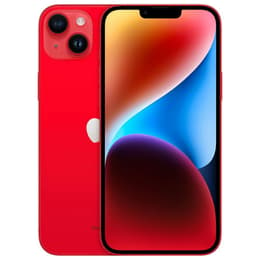
iPhone 14 Plus • Unlocked
Starting at

Refurbished price:$288.32

Versus $729.00 new

See options
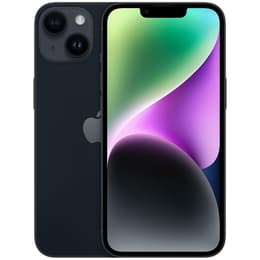
iPhone 14 • Locked Verizon
Starting at

Refurbished price:$300.94

Versus $599.00 new

See options

Ratings

The iPhone 14 Plus and the iPhone 14 are two smartphones released by Apple in 2022, offering users a choice within the same generation of devices. While the iPhone 14 Plus was made available on October 7, 2022, the standard iPhone 14 launched slightly earlier on September 16, 2022. Both devices operate on Apple's iOS platform, providing a consistent software experience. The primary distinctions between these two models lie in their physical dimensions, display size, and battery capacity, catering to different user preferences for device handling and endurance.

Scores

Durability

Both the iPhone 14 Plus and the iPhone 14 were released in late 2022, meaning they share a similar position in Apple's update cycle. Users can expect several years of iOS updates, typically extending for five to six years from their release, ensuring continued access to new features and security enhancements. The practical lifespan of these devices is also influenced by their physical resilience and repair options.

  • Software Longevity: Both models receive consistent iOS updates, providing a comparable duration of software support and access to the latest features and security patches.
  • Physical Durability: Both devices feature a Ceramic Shield front cover and an IP68 rating for water and dust resistance, indicating a similar level of protection against everyday elements. [1, 7, 12, 13, 19, 20, 22, 37]
  • Repairability Considerations: While the iPhone 14 series initially received a favorable repairability assessment due to its internal design, this score was later adjusted downwards. [5, 8, 14, 15, 23, 40, 42, 43] This adjustment reflects challenges related to software authentication for replacement parts, which can impact the ease and cost of repairs for both models.

Release Year

2022

2022

Last OS Compatibility

Yes

Yes

OS

iOS

iOS

Foldable

No

No

Performance

The iPhone 14 Plus and iPhone 14 are equipped with the same internal processing architecture, delivering a consistent performance experience across both models. This shared foundation ensures that both devices handle demanding applications and multitasking with similar efficiency.

  • Processing Power: Both phones utilize a capable processor with a 5-core graphics processing unit, enabling smooth operation for everyday tasks, graphic-intensive applications, and mobile gaming. [1, 2, 4, 10, 12, 17, 18, 21]
  • Storage Options: Users have the same storage choices for both models, including 128 GB, 256 GB, and 512 GB, allowing for ample space for apps, photos, and media. [1, 4, 13, 17, 18, 19, 20, 21]
  • Battery Endurance: The iPhone 14 Plus offers a noticeably longer battery life compared to the standard iPhone 14. This is due to its larger physical size accommodating a higher capacity battery, providing extended usage time for activities like video playback and web browsing. [2, 29, 38]

Memory (GB)

6 GB

6 GB

Screen quality

The visual experience on both the iPhone 14 Plus and iPhone 14 is characterized by vibrant and clear displays, though they differ in size, which impacts the overall viewing area.

  • Display Technology: Both devices feature a Super Retina XDR OLED display, providing deep blacks, high contrast, and vibrant colors for an engaging visual experience. [1, 2, 12, 13, 19, 20, 22, 29]
  • Size and Resolution: The iPhone 14 Plus boasts a larger 6.7-inch display with a resolution of 2778 x 1284 pixels, while the iPhone 14 has a 6.1-inch display with a resolution of 2532 x 1170 pixels. [1, 2, 4, 11, 27, 29] Both maintain a similar pixel density, ensuring sharp text and images.
  • Brightness and Refresh Rate: Both models offer a typical brightness of 800 nits and a peak brightness of 1200 nits for HDR content, providing good visibility in various lighting conditions. [1, 2, 12, 13, 19, 20, 22] The refresh rate for both is 60 Hz, which provides a smooth experience for most content. [2, 13, 29]

Resolution

1284 x 2778

1170 x 2532

Screen type

Super Retina XDR OLED

Super Retina XDR OLED

Audiovisual

The camera systems on the iPhone 14 Plus and iPhone 14 are identical, offering users the same photographic and videographic capabilities across both models. This means that the choice between the two will not impact the quality or features of the captured content.

  • Dual Camera System: Both phones are equipped with a dual 12-megapixel camera system on the rear, comprising a main wide-angle lens and an ultra-wide-angle lens. [2, 13, 19, 20, 27, 34, 37] This setup allows for versatile shooting, from expansive landscapes to detailed close-ups.
  • Low-Light Performance: Both models benefit from a Photonic Engine, which enhances image processing for improved performance in challenging low-light conditions, resulting in brighter and more detailed photos. [2, 13, 19, 20]
  • Video Capabilities and Front Camera: Both devices support 4K video recording at various frame rates, including Cinematic mode for a shallow depth of field effect. [1, 13, 19, 20, 22, 34] The front-facing 12-megapixel camera on both models includes autofocus, enhancing clarity for selfies and video calls. [13, 20, 34]

Main camera

12 megapixels

12 megapixels

Front camera

12 megapixels

12 megapixels

Miscellaneous

Beyond their core functionalities, the iPhone 14 Plus and iPhone 14 share many practical features and design elements that contribute to their overall user experience.

  • Connectivity and Ports: Both devices support 5G cellular networks, Wi-Fi 6, and Bluetooth 5.3 for robust wireless connectivity. [13, 19, 20, 21] They both feature a Lightning port for charging and data transfer. [1, 2, 22, 37]
  • Sensors and Security: Both models include essential sensors such as Face ID for secure facial recognition, an accelerometer, gyroscope, proximity sensor, compass, and barometer. [17, 19, 20, 22] They also incorporate an Ultra Wideband chip for spatial awareness. [19, 22]
  • Physical Design: The iPhone 14 Plus and iPhone 14 share a similar design aesthetic, featuring an aluminum frame and glass back. [19, 20, 22] The primary difference in physical attributes is their size and weight, with the iPhone 14 Plus being larger and heavier due to its bigger display and battery. [2, 19, 20, 22, 29]

Weight

7 oz

6 oz

Width

3.07 in

2.82 in

Height

6.33 in

5.78 in

Depth

0.31 in

0.31 in

Screen size (inches)

6.7

6.1

Network

5G

5G

SIM card

eSIM

eSIM

Carrier compatibility

Unlocked

Verizon

Connector

Lightning

Lightning

User feedback for both the iPhone 14 Plus and the iPhone 14 generally highlights their solid performance and reliable user experience. The iPhone 14 Plus is frequently praised for its significantly extended battery life and larger display, making it a preferred choice for users who prioritize media consumption and longer usage between charges. [26, 30, 31, 33, 36] Some users, however, find its larger size less convenient for one-handed operation. [26]

The standard iPhone 14 is appreciated for its balanced size, good performance, and capable camera system. [24, 28] While its battery life is robust, it does not match the endurance of the Plus model. Some users have noted minor cosmetic issues, such as discoloration around the camera area, on the standard iPhone 14. [24] Both models are generally considered worthwhile upgrades for those coming from older iPhone generations, offering a noticeable improvement in overall responsiveness and camera capabilities. [28, 31] A common point of discussion for both is the 60 Hz display refresh rate, which some users perceive as less fluid compared to devices with higher refresh rates. [2, 13, 33, 36]

Users prioritizing a larger screen and maximum battery life will find the iPhone 14 Plus well-suited to their needs. Conversely, individuals who prefer a more compact device that is easier to handle with one hand, while still offering strong performance and camera quality, may lean towards the standard iPhone 14. Both devices represent a reliable choice, and considering a quality-assured refurbished option can be an eco-friendly alternative for acquiring either model.
See all articles

Our recent comparisons