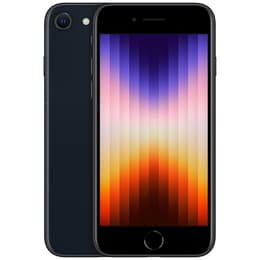

iPhone 14 Pro Max • Locked AT&T vs iPhone SE (2022) • Locked T-Mobile

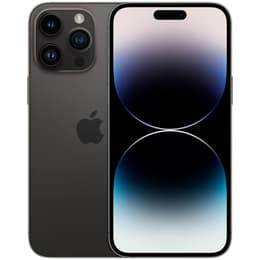
iPhone 14 Pro Max • Locked AT&T
Starting at

Refurbished price:$409.00

Versus $1,399.00 new

See options
iPhone SE (2022) • Locked T-Mobile
Starting at

Refurbished price:$124.00

Versus $429.00 new

See options

Ratings

The iPhone 14 Pro Max (released September 2022) and the iPhone SE (2022), launched in March 2022, are both smartphones operating on Apple's iOS platform. While both devices offer a consistent software experience, they cater to different user preferences through distinct designs, display technologies, and camera capabilities. The iPhone 14 Pro Max represents Apple's larger, feature-rich offering, whereas the iPhone SE (2022) provides a more compact and traditional iPhone experience.

Scores

Durability

When considering the long-term usability of these devices, several factors contribute to their expected practical lifespan.

  • Release Timeline: The iPhone 14 Pro Max was released in September 2022, while the iPhone SE (2022) launched earlier in March 2022. This six-month difference means the iPhone 14 Pro Max will likely receive software updates for a slightly longer period.
  • Software Longevity: Both devices are expected to receive iOS updates for several years, typically 5-6 years from their release. The iPhone 14 Pro Max, being newer, will benefit from an additional year of official software support, extending its functional lifespan.
  • Repairability: The iPhone SE (2022) generally receives an average repairability score, with components like the battery and screen being relatively accessible for replacement, though some repairs require specialized tools. The iPhone 14 Pro Max, while also repairable, features more complex internal components and a different design, which can sometimes make repairs more intricate.

Release Year

2022

2022

Last OS Compatibility

Yes

Yes

OS

iOS

iOS

Foldable

No

No

Performance

Both smartphones deliver responsive performance for daily tasks, but they differ in their underlying hardware and how they handle more demanding operations.

  • Processor Capabilities: The iPhone 14 Pro Max features a more advanced current-generation processor, enabling smoother handling of intensive applications, complex graphics, and advanced computational tasks. The iPhone SE (2022) is equipped with a powerful processor from the previous generation, which still provides a fluid user experience for most everyday apps and moderate multitasking.
  • Storage Options: The iPhone 14 Pro Max offers a wider range of storage configurations, including options up to 1TB, catering to users with extensive media libraries or large application needs. The iPhone SE (2022) provides standard storage tiers up to 256GB, suitable for average users.
  • Battery Behavior: The iPhone 14 Pro Max is recognized for its extended battery life, often lasting a full day or more even with heavy usage, making it suitable for users who prioritize longevity between charges. The iPhone SE (2022), due to its smaller physical size and battery capacity, typically requires more frequent charging for heavy users.

Memory (GB)

6 GB

4 GB

Screen quality

The visual experience on these two iPhones presents a notable contrast, primarily due to differences in display technology and size.

  • Display Technology and Size: The iPhone 14 Pro Max features a large 6.7-inch Super Retina XDR OLED display, offering deep blacks, vibrant colors, and high contrast. In contrast, the iPhone SE (2022) utilizes a more compact 4.7-inch Retina IPS LCD display, which provides good color accuracy but does not achieve the same level of contrast or black depth as an OLED panel.
  • Refresh Rate and Brightness: The iPhone 14 Pro Max includes ProMotion technology, allowing for an adaptive refresh rate up to 120Hz, which results in smoother scrolling and more fluid animations. It also boasts significantly higher peak brightness levels, reaching up to 2000 nits for outdoor visibility. The iPhone SE (2022) has a standard 60Hz refresh rate and a lower peak brightness, which may affect outdoor visibility in bright conditions and overall visual fluidity.
  • Special Features: The iPhone 14 Pro Max introduces the Dynamic Island, an interactive area around the front camera and sensors that adapts to display alerts and background activities. It also features an Always-On display. The iPhone SE (2022) retains the traditional Home button and bezels, without these advanced display features.

Resolution

1290 x 2796

750 x 1334

Screen type

LTPO Super Retina XDR OLED

Retina IPS LCD

Audiovisual

The camera systems on the iPhone 14 Pro Max and iPhone SE (2022) offer different levels of photographic versatility and advanced features.

  • Camera System Capabilities: The iPhone 14 Pro Max is equipped with a versatile triple-camera system, including a 48MP main sensor, a 12MP ultra-wide lens, and a 12MP telephoto lens with 3x optical zoom, providing a wide range of photographic options. The iPhone SE (2022) features a single 12MP wide rear camera and a 7MP front camera.
  • Low-Light and Everyday Photography: The iPhone 14 Pro Max excels in various lighting conditions, particularly in low light, due to its larger sensor, wider apertures, and advanced computational photography features like Photonic Engine and Night mode. While the iPhone SE (2022) benefits from computational photography features like Smart HDR 4 and Deep Fusion, it lacks a dedicated Night mode, which can impact its performance in very dim environments.
  • Video Recording Quality: The iPhone 14 Pro Max offers advanced video capabilities, including 4K recording at higher frame rates, Cinematic mode for shallow depth of field, and Action mode for enhanced stabilization. The iPhone SE (2022) supports 4K video recording, but without the more advanced features found in the Pro Max model.

Main camera

48 megapixels

12 megapixels

Front camera

12 megapixels

7 megapixels

Miscellaneous

Beyond core performance and display, several practical elements differentiate these two iPhone models.

  • Connectivity Options: Both devices support 5G cellular connectivity and Wi-Fi 6 for fast wireless internet. The iPhone 14 Pro Max features Bluetooth 5.3, while the iPhone SE (2022) uses Bluetooth 5.0.
  • Port Types and Sensors: Both iPhones utilize a Lightning connector for charging and data transfer. The iPhone 14 Pro Max relies on Face ID for biometric authentication and includes a LiDAR scanner for enhanced augmented reality and low-light focusing. The iPhone SE (2022) retains the physical Home button with Touch ID for fingerprint authentication.
  • Weight and Dimensions: The iPhone 14 Pro Max is a larger and heavier device, measuring 160.7 x 77.6 x 7.85 mm and weighing 240 grams, which contributes to its expansive screen but also its heft. The iPhone SE (2022) is significantly more compact and lighter at 138.4 x 67.3 x 7.3 mm and 144 grams, offering easier one-handed use and pocketability.

Weight

8 oz

3 oz

Screen size (inches)

6.7

4.7

Network

5G

5G

SIM card

eSIM

Physical SIM + eSIM

Carrier compatibility

AT&T

T-Mobile

Connector

Lightning

Lightning

User feedback for the iPhone 14 Pro Max frequently highlights its exceptional battery life, vibrant and smooth display with the Dynamic Island, and its highly capable camera system, particularly for detailed photos and advanced video. Some users note its larger size and weight as a potential consideration. For the iPhone SE (2022), common praise points include its compact form factor, the familiarity of Touch ID, and its solid performance for everyday tasks. Criticisms often revolve around its smaller, 60Hz LCD display and the absence of Night mode for its camera.

Users prioritizing a large, immersive display, extended battery life, and a comprehensive, advanced camera system for photography and videography will find the iPhone 14 Pro Max well-suited to their needs. This device is ideal for professionals, content creators, or those who consume a lot of media on their phone. Conversely, individuals who prefer a compact device, value the traditional Home button with Touch ID, and primarily use their phone for essential tasks, communication, and casual photography may lean towards the iPhone SE (2022). It offers a reliable Apple experience in a more pocket-friendly design.

For those considering either model, exploring quality-assured refurbished options can provide an eco-friendly alternative, allowing access to these devices while supporting sustainable consumption.

See all articles

Our recent comparisons