Compare models
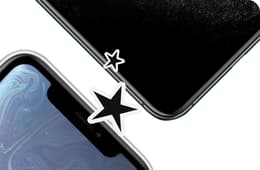
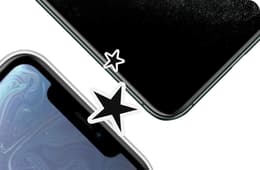
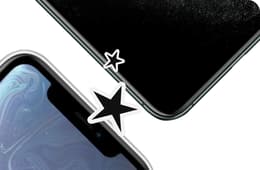
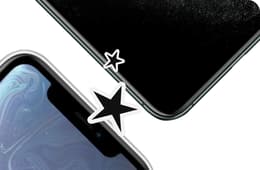
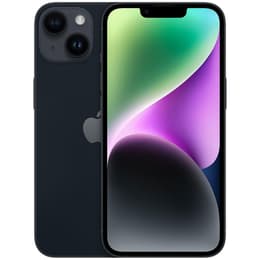
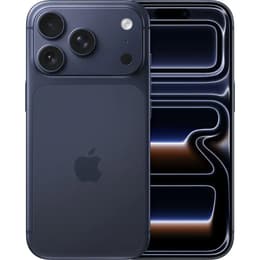
iPhone 14 • Locked T-Mobile vs iPhone 17 Pro • Unlocked
- 1-year warranty
- Free standard shipping
- Free 30-day returns
Differences at a glance
The iPhone 14 (Locked T-Mobile) and iPhone 17 Pro (Unlocked) represent different eras and tiers within Apple's smartphone lineup, having debuted in 2022 and 2025 respectively. While both run the iOS operating system, they diverge significantly in hardware architecture, feature sets, and network configurations. Understanding these practical differences helps prospective buyers choose the model that best fits their daily workflow.
Available Models
Color
Storage
Scores
Durability
Both smartphones offer reliable long-term software support, though their respective release years position them at different stages of their lifecycle.
- Software Longevity: The iPhone 17 Pro benefits from a newer release date, securing several additional years of future operating system updates compared to the iPhone 14.
- Repairability and Build: Both devices feature durable front glass protection and sturdy frames, while maintaining standardized repair pathways for common components like batteries and screens.
- Expected Lifespan: Users can expect extended daily service life from both models, with the newer hardware configuration providing extra longevity for long-term ownership.
Release Year
2022
2025
Last OS Compatibility
Yes
Yes
OS
iOS
iOS
Foldable
No
No
Performance
System responsiveness and everyday utility vary notably due to hardware generations and memory capacity differences.
- Multitasking and Apps: The iPhone 17 Pro features a higher RAM allocation and advanced processing capabilities, allowing demanding applications and heavy multitasking to run with notable smoothness.
- Storage Configurations: Both devices offer ample internal storage tiers for apps, photos, and media files, though maximum capacities are higher on the newer professional tier.
- Battery Behavior: The iPhone 17 Pro includes an enlarged battery capacity and advanced thermal management, supporting long periods of heavy use before needing a recharge.
Screen quality
Display technologies offer sharp visuals, though viewing smoothness and outdoor brightness levels differ between the two models.
- Panel Technology: Both use vibrant OLED displays with deep blacks and crisp text clarity, but the iPhone 17 Pro introduces adaptive refresh rate technology for smoother scrolling.
- Brightness Performance: The iPhone 17 Pro reaches a higher peak outdoor brightness level, improving readability under direct sunlight compared to the iPhone 14.
- Screen Size: Both devices provide comfortable viewing areas suited for media consumption, reading, and web browsing within an ergonomic footprint.
Resolution
1170 x 2532
2622x1206
Screen type
Super Retina XDR OLED
Super Retina XDR
Audiovisual
Imaging hardware and media recording capabilities offer distinct options for casual photographers and video creators.
- Camera Systems: The iPhone 14 relies on a dual-lens setup for everyday photos, while the iPhone 17 Pro equips a versatile triple-lens array with extended optical zoom range.
- Low-Light Performance: Both models utilize advanced image processing algorithms to capture clear details in dim environments, with the newer pro model providing enhanced light gathering.
- Audio and Video: The iPhone 17 Pro adds professional-grade video recording formats and studio-quality microphones, complemented by balanced stereo speakers found on both devices.
Main camera
12 megapixels
48 megapixels
Front camera
12 megapixels
18 megapixels
Miscellaneous
Physical design characteristics, connectivity standards, and network access terms shape everyday handling and setup.
- Network Freedom: The iPhone 17 Pro is sold factory unlocked for use with any carrier, whereas the iPhone 14 option is locked specifically to the T-Mobile network.
- Connectivity: Both models support modern 5G cellular networks and fast wireless standards, while utilizing different physical charging connectors across generations.
- Physical Design: The iPhone 17 Pro balances durable metal framing with refined ergonomics, keeping weight distribution manageable for daily handheld use.
Weight
6 oz
206 oz
Screen size (inches)
6.1
6.3
Network
5G
5G
SIM card
eSIM
eSIM
Carrier compatibility
T-Mobile
Unlocked
Connector
Lightning
USB-C
What the community thinks
Choosing between these two smartphones depends heavily on user priorities regarding network freedom, processing capability, and hardware age. Users prioritizing an uncompromised camera system, maximum future software support, and carrier freedom often lean toward the iPhone 17 Pro. Conversely, users seeking a straightforward, reliable daily communication tool tied to a specific carrier network will find the iPhone 14 a practical choice.
For those interested in sustainable technology acquisition, selecting a quality-assured refurbished option provides a reliable and eco-friendly alternative that extends device lifecycles. Reviewing personal usage patterns and network requirements remains the best method for making a final decision.