
Compare models

iPhone 14 • Unlocked vs iPhone 17 Pro Max • Unlocked

  • 1-year warranty
  • Free standard shipping
  • Free 30-day returns
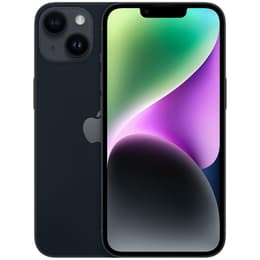
iPhone 14 • Unlocked
Starting at

Refurbished price:$278.00

Versus $629.00 new

See options
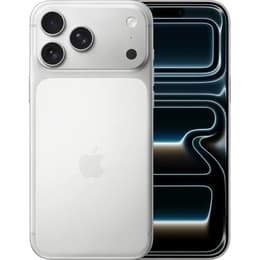
iPhone 17 Pro Max • Unlocked
Starting at

Refurbished price:$1,198.00

Versus $1,199.00 new

See options

Differences at a glance

The iPhone 14 (2022) and the iPhone 17 Pro Max (2025) represent different eras and tiers within Apple's smartphone lineup. While the iPhone 14 serves as a streamlined, standard-tier device designed for everyday portability, the iPhone 17 Pro Max functions as a maximum-capability flagship tailored for immersive media consumption and heavy productivity. Both devices run on iOS, providing a familiar operating system ecosystem, but they differ significantly in scale, physical design, and processing capacity.

Available Models

Color

Storage (GB)

Scores

Durability

When examining longevity and durability, both models feature sturdy outer glass and water resistance, though their release years and hardware timelines differ notably.

  • Software support lifecycle: The iPhone 17 Pro Max benefits from a newer release date, securing a longer window of future software updates compared to the iPhone 14.
  • Repairability and build: Both units include robust internal architectures and water resistance ratings, though choosing a quality-assured refurbished option provides a sustainable choice that extends device lifespans responsibly.
  • Expected lifespan: The advanced processing architecture inside the newer model helps maintain smooth responsiveness over a more extended period of heavy daily use.

Release Year

2022

2025

Last OS Compatibility

Yes

Yes

OS

iOS

iOS

Foldable

No

No

Performance

System performance varies between the two devices, shaping how they handle multitasking, demanding software, and everyday operational tasks.

  • Multitasking and responsiveness: The iPhone 17 Pro Max handles demanding apps, heavy mobile gaming, and extensive background tasks smoothly thanks to its current-generation processor and larger memory capacity.
  • Storage configurations: The iPhone 14 offers standard storage tiers suited for general photo libraries and apps, while the iPhone 17 Pro Max scales up to extensive capacities for professionals managing large local files.
  • Battery endurance: The larger battery capacity of the iPhone 17 Pro Max sustains extended periods of heavy use without recharging, whereas the lighter iPhone 14 requires more frequent charging during intensive daily routines.

Screen quality

Visual output and display engineering diverge sharply in size, fluidity, and brightness capabilities between these two models.

  • Display size and panel technology: The iPhone 14 features a compact 6.1-inch OLED screen, while the iPhone 17 Pro Max provides an expansive 6.9-inch OLED display with high contrast and deep blacks.
  • Motion smoothness: The iPhone 17 Pro Max utilizes adaptive high-refresh-rate technology for smoother scrolling and motion rendering, compared to the standard refresh rate on the iPhone 14.
  • Outdoor visibility: Higher peak outdoor brightness levels on the iPhone 17 Pro Max ensure clearer visibility under direct sunlight than the standard brightness thresholds of the iPhone 14.

Resolution

1170 x 2532

2868x1320

Screen type

Super Retina XDR OLED

Super Retina XDR

Audiovisual

Media capture and audio output capabilities reflect the distinct market positions of each device.

  • Camera versatility: The iPhone 14 relies on a dual-lens rear layout for everyday photography, whereas the iPhone 17 Pro Max incorporates a triple-lens system with an advanced telephoto zoom for distant subjects.
  • Video and low light: Both models deliver stable 4K video recording, but the newer flagship captures higher detail levels in dim environments and offers broader professional video features.
  • Audio reproduction: Built-in stereo speakers on both devices provide clear sound for calls and casual media playback, with the larger chassis of the Pro Max delivering added acoustic depth.

Main camera

12 megapixels

48 megapixels

Front camera

12 megapixels

18 megapixels

Miscellaneous

Practical everyday features, connectivity standards, and physical handling characteristics define how each phone feels in daily use.

  • Physical dimensions and weight: The iPhone 14 is lighter and smaller, making it easier to handle with one hand, while the iPhone 17 Pro Max is heavier and larger to accommodate its bigger screen and battery.
  • Connectivity and ports: Both devices support fast cellular networks and wireless charging, though port implementation and Wi-Fi generations align with their respective release years.
  • Security sensors: Both smartphones utilize secure facial recognition sensors embedded near the top of the display area for unlocking and authorization.

Weight

6 oz

185 oz

Screen size (inches)

6.1

6.9

Network

5G

5G

SIM card

eSIM

eSIM

Carrier compatibility

Unlocked

Unlocked

Connector

Lightning

USB-C

What the community thinks

User feedback from online communities highlights distinct patterns of praise and criticism for both models. Owners of the iPhone 14 frequently praise its lightweight form factor, reliable daily performance, and comfortable single-handed usability. However, some users note that its battery life and screen brightness fall short during intensive outdoor or gaming tasks. On the other hand, users frequently commend the iPhone 17 Pro Max for its expansive display workspace, exceptional battery endurance, and versatile camera zoom options. Conversely, common critiques for the larger device focus on its heavier physical footprint and bulky feel in smaller pockets.

When deciding between the two, users prioritizing pocket-friendly dimensions and straightforward daily communication will find the iPhone 14 well-suited to their needs. Conversely, users prioritizing maximum screen workspace, advanced camera zoom capabilities, and prolonged battery stamina will lean toward the iPhone 17 Pro Max. Selecting an eco-friendly alternative through a quality-assured refurbished option offers a sustainable way to acquire either model while supporting responsible electronics consumption.

Our recent comparisons