
Compare models
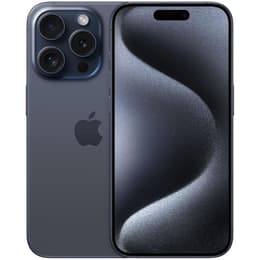
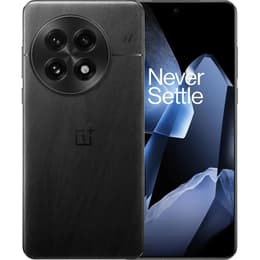
iPhone 15 Pro • Unlocked vs OnePlus 13 • Unlocked
- 1-year warranty
- Free standard shipping
- Free 30-day returns
Differences at a glance
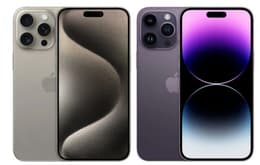
The iPhone 15 Pro (2023) and the OnePlus 13 (2025) are high-end smartphones designed for users looking for top-tier capability, though they operate on different software ecosystems with distinct hardware philosophies. While Apple's device runs iOS within a compact form factor, OnePlus relies on Android with customized software features inside a larger build. These two flagship models differ significantly in screen estate, battery approach, and handling preferences.
Available Models
Color
Storage
Scores
Durability
Both smartphones are built to endure years of daily use, but they approach long-term software support and hardware durability with different timelines and materials.
- Software Support: Apple provides multi-year operating system upgrades typically spanning five to six years, whereas OnePlus commits to several generations of Android updates and security patches to keep the interface secure.
- Build Materials: The iPhone 15 Pro features a titanium frame and specialized front glass protection, while the OnePlus 13 utilizes robust glass or vegan leather finishes alongside high-level water and dust resistance ratings.
- Repairability: Both manufacturers design their hardware for structural resilience, though professional service options and part availability ensure consistent long-term maintenance prospects.
Release Year
2023
2024
OS
iOS
Android
Foldable
No
No
Performance
Underneath the exterior, both devices manage demanding tasks and heavy multitasking efficiently, though they handle power distribution and memory allocation differently.
- Speed and Multitasking: Both models handle complex applications, high-graphics gaming, and rapid switching between background tasks smoothly without noticeable stutter, backed by generous system memory configurations.
- Battery Behavior: The OnePlus 13 incorporates a high-capacity battery designed to easily sustain extended periods of heavy use, while the iPhone 15 Pro balances a smaller physical footprint with optimized power consumption for all-day reliability.
- Storage Tiers: Multiple spacious internal storage options are available across both lineups to accommodate large photo libraries, downloaded media, and offline documents.
Screen quality
Visual output is a major differentiator, primarily driven by differences in physical dimensions, panel technologies, and maximum outdoor illumination.
- Display Technology: Both devices employ advanced organic light-emitting panels that deliver deep contrast levels, sharp text clarity, and vivid color reproduction for media consumption.
- Refresh Rate and Fluidity: High refresh rate support ensures that scrolling through web pages and navigating system menus appears consistently smooth and responsive.
- Size and Brightness: The OnePlus 13 offers a much larger viewing area suited for immersive media, whereas the iPhone 15 Pro prioritizes a compact 6.1-inch screen that remains easy to view under direct sunlight.
Resolution
1179 x 2556
1440x3168
Screen type
LTPO Super Retina XDR OLED
LTPO 4.1 AMOLED
Audiovisual
Photography and video recording suites on both handsets cater to creators and casual users alike through versatile multi-lens configurations.
- Lens Array: Both phones feature high-resolution main, ultra-wide, and telephoto lenses capable of capturing crisp detail across various focal lengths and zoom ranges.
- Low-Light and Video: Advanced image processing helps capture clear photos in dim environments, while steady video stabilization produces smooth footage during movement.
- Media and Audio: Built-in stereo speakers provide clear sound output for casual video playback and hands-free calls, supported by sensitive multi-microphone arrays.
Main camera
48 megapixels
64
Miscellaneous
Practical everyday features, connectivity standards, and physical ergonomics shape how comfortable each device feels during routine handling.
- Connectivity and Ports: Both models support current 5G networks, fast Wi-Fi standards, and Bluetooth connections, utilizing universal USB-C ports for charging and data transfer.
- Security Sensors: Secure biometric authentication is handled via facial recognition on the Apple device and an under-display fingerprint reader on the OnePlus model.
- Ergonomics: The iPhone 15 Pro is lighter and easier to operate with one hand, whereas the OnePlus 13 is heavier and broader to accommodate its expansive screen.
Weight
187 oz
7 oz
Screen size (inches)
6.1
6.82
Network
5G
5G
SIM card
eSIM
Dual Physical SIM
Carrier compatibility
Unlocked
Unlocked
Connector
USB-C (USB 3)
USB-C
What the community thinks
User discussions across community platforms often highlight the iPhone 15 Pro for its refined one-handed ergonomics, seamless ecosystem integration, and robust build quality. Frequent praise for the OnePlus 13 centers on its expansive screen estate, rapid battery replenishment speeds, and exceptional battery endurance. At the same time, some users note that the larger footprint of the OnePlus device can feel bulky, while others mention that the iPhone model requires more frequent charging under heavy workloads.
Users prioritizing a compact form factor, lightweight handling, and iOS software will find the iPhone 15 Pro well-suited to their daily routine. Conversely, users prioritizing maximum screen space, rapid charging capabilities, and the flexibility of Android will lean toward the OnePlus 13. Opting for a quality-assured refurbished option from Back Market provides a sustainable, reliable way to access these high-end features while reducing environmental impact.