
Compare models
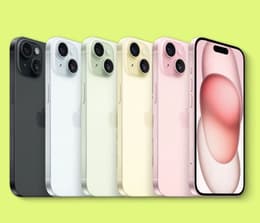
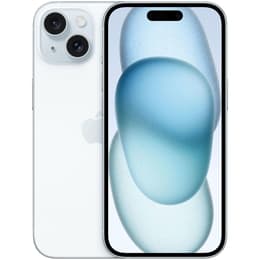
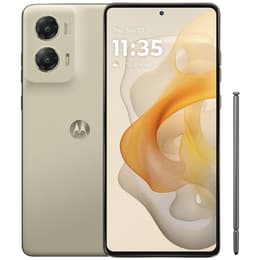
iPhone 15 • Unlocked vs Motorola Moto G Stylus 5G (2024) • Unlocked
- 1-year warranty
- Free standard shipping
- Free 30-day returns
Differences at a glance
The Apple iPhone 15 (2023) and the Motorola Moto G Stylus 5G (2024) represent two distinct approaches to the modern smartphone experience, balancing flagship refinement with productivity-focused versatility. While the iPhone 15 relies on Apple's streamlined iOS ecosystem and compact form factor, the Motorola Moto G Stylus 5G emphasizes an expansive display, a built-in interactive pen, and Android customization. These devices cater to different everyday workflows and operating system preferences while serving as practical daily companions.
Available Models
Color
Storage
Scores
Durability
Both smartphones provide reliable long-term usability, though they differ in their software update timelines and hardware longevity structures.
- Software Support: The iPhone 15 benefits from Apple's extended update schedule, ensuring consistent security patches and feature upgrades over many years. The Motorola Moto G Stylus 5G relies on Android's standard support lifecycle, providing essential system updates tailored to its release generation.
- Build Integrity: The iPhone 15 incorporates durable glass and an aluminum frame designed to withstand daily wear. The Motorola model features a vegan leather-style back and water-repellent design that handles routine handling with ease.
- Repairability and Lifespan: Both devices offer solid expected lifespans for standard users, with accessible service options for battery replacements and structural upkeep over time.
Release Year
2023
2024
Last OS Compatibility
Yes
Yes
OS
iOS
Android
Foldable
No
No
Performance
Performance capabilities vary to accommodate different multitasking habits, storage volumes, and power management profiles.
- Everyday Responsiveness: The iPhone 15 handles intensive applications, rapid app switching, and demanding mobile games smoothly. The Motorola Moto G Stylus 5G manages daily multitasking, web browsing, and note-taking applications efficiently through its balanced processing configuration.
- Storage and Memory: The iPhone 15 starts with streamlined internal storage options, whereas the Motorola model provides expanded onboard storage capacity alongside microSD expansion support for large media libraries.
- Battery Behavior: The iPhone 15 delivers a full day of typical mixed use through optimized power consumption. The Motorola variant utilizes a higher-capacity battery to comfortably sustain prolonged multimedia consumption and heavy work schedules without frequent recharging.
Screen quality
Display characteristics shape how users interact with media, read documents, and navigate applications on each device.
- Display Technology: The iPhone 15 features a Super Retina XDR OLED panel known for deep contrast and balanced color fidelity. The Motorola Moto G Stylus 5G utilizes a larger pOLED screen that offers expansive viewing space for productivity tasks.
- Refresh Rate and Fluidity: The Motorola model supports a high refresh rate for smooth scrolling through feeds and documents, while the iPhone 15 maintains a standard refresh rate paired with high pixel density.
- Outdoor Usability: Both screens reach high peak brightness levels, ensuring clear legibility and vibrant visuals under bright sunlight or outdoor lighting conditions.
Resolution
1179 x 2556
1080 x 2400
Screen type
Super Retina XDR OLED
P-OLED
Audiovisual
Imaging and audio hardware are optimized to support casual photography, video calls, and media playback.
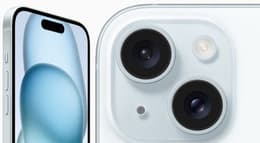
- Camera Systems: The iPhone 15 utilizes a dual-sensor rear setup equipped with high-resolution image capture and advanced computational photography for clear everyday shots. The Motorola Moto G Stylus 5G features a main sensor with optical image stabilization and an ultra-wide lens that doubles as a macro option.
- Video and Audio Output: The iPhone 15 delivers stable video recording quality with clear multi-microphone audio capture. The Motorola device incorporates stereo speakers tuned with Dolby Atmos alongside a traditional headphone jack for wired audio flexibility.
- Selfie Performance: Both front-facing cameras support sharp video calls and detailed self-portraits suited for social sharing and virtual meetings.
Main camera
48 megapixels
50 megapixels
Front camera
12 megapixels
32 megapixels
Miscellaneous
Physical design elements and connectivity features define how comfortably each device integrates into specific daily routines.
- Physical Dimensions: The iPhone 15 features a compact, lightweight body that fits easily into smaller pockets. The Motorola Moto G Stylus 5G is larger to accommodate its integrated stylus silo and spacious display.
- Connectivity Standards: Both phones support reliable 5G cellular networks, modern Wi-Fi standards, and Bluetooth pairing, with the iPhone utilizing a universal USB-C port and Motorola offering similar wired connectivity alongside legacy audio ports.
- Authentication and Extras: The iPhone relies on facial recognition technology for security, while the Motorola device integrates an in-display fingerprint sensor and a physical stylus for precise drawing and note input.
Weight
171 oz
7 oz
Screen size (inches)
6.1
6.7
Network
5G
5G
SIM card
eSIM
Physical SIM
Carrier compatibility
Unlocked
Unlocked
Connector
USB-C (USB 2)
USB-C
What the community thinks
Users prioritizing a compact build, long-term software continuity, and seamless integration within the iOS ecosystem will find the iPhone 15 well-suited to their daily routines. Conversely, individuals who value a larger canvas, integrated note-taking tools, expandability, and Android customization often gravitate toward the Motorola Moto G Stylus 5G. Selecting between these two options depends entirely on personal preference regarding operating systems and physical utility rather than a difference in fundamental quality.
For those interested in sustainable technology acquisition, choosing a quality-assured refurbished option through platforms like Back Market provides an eco-friendly alternative that extends device lifecycles while supporting resource conservation.