
Compare models
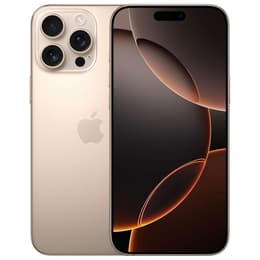
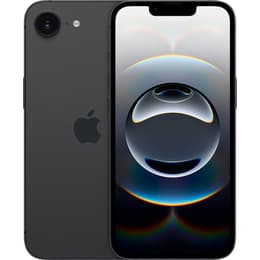
iPhone 16 Pro Max • Unlocked vs iPhone 16e • Unlocked
- 1-year warranty
- Free standard shipping
- Free 30-day returns
Differences at a glance
The iPhone 16 Pro Max and the iPhone 16E, both released in September 2024, represent different tiers within Apple's smartphone lineup. While both devices offer access to the latest iOS features and Apple Intelligence, the iPhone 16 Pro Max is designed for users seeking advanced capabilities in photography, display technology, and overall performance, whereas the iPhone 16E provides a more streamlined experience with a focus on core functionality and a compact form factor.
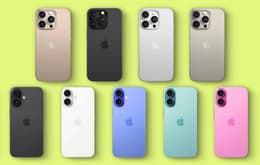
Available Models
Color
Storage (GB)
Scores
Durability
Both the iPhone 16 Pro Max and the iPhone 16E benefit from Apple's consistent software support, ensuring a practical lifespan that extends several years beyond their release. As part of the iPhone 16 generation, they were launched with iOS 18 and are expected to receive major iOS updates for approximately five to six years, with security updates continuing even longer. The Pro Max, being the higher-end model, often receives slightly longer support for certain advanced features, though core OS updates remain consistent across the generation.
- Software Longevity: Both models launched with iOS 18 and are anticipated to receive updates for an extended period, typically 5-6 years for major OS versions, ensuring continued access to new features and security enhancements.
- Build Durability: The iPhone 16 Pro Max features a titanium design and Ceramic Shield front cover, offering enhanced resistance to everyday wear. The iPhone 16E utilizes an aluminum design with a Ceramic Shield front, providing robust protection for its class. Both are rated IP68 for water and dust resistance.
- Repairability: Apple designs its devices with a focus on durability, and while specific repairability scores can vary, both models are built with components that require specialized tools and expertise for repair.
Release Year
2024
2025
Foldable
No
No
Performance
The performance capabilities of the iPhone 16 Pro Max and iPhone 16E cater to different user demands, primarily distinguished by their internal processing power and available storage configurations.
- Processor Capabilities: The iPhone 16 Pro Max is equipped with the A18 Pro chip, featuring a 6-core CPU and a 6-core GPU, designed for handling intensive tasks like advanced gaming, professional video editing, and complex AI computations with efficiency. The iPhone 16E houses the A18 chip, which includes a 6-core CPU and a 4-core GPU, providing smooth performance for daily applications, multitasking, and casual gaming.
- Multitasking and Responsiveness: Both devices offer responsive performance for general use. The Pro Max's more powerful GPU and optimized architecture provide a noticeable advantage in graphically demanding applications and sustained high-performance scenarios. Both models feature a 16-core Neural Engine, supporting Apple Intelligence features.
- Storage Options: The iPhone 16 Pro Max offers larger storage capacities, starting at 256GB and going up to 1TB, suitable for users who store extensive media libraries or large applications. The iPhone 16E is available with 128GB, 256GB, and 512GB options, accommodating typical user needs.
Screen quality
The visual experience on the iPhone 16 Pro Max and iPhone 16E differs in size, refresh rate, and display features, influencing how content is viewed and interacted with.
- Display Technology and Size: The iPhone 16 Pro Max features a larger 6.9-inch Super Retina XDR OLED display, offering an expansive viewing area. The iPhone 16E comes with a 6.1-inch Super Retina XDR OLED display, providing a more compact and manageable form factor.
- Resolution and Clarity: Both displays offer high pixel densities of approximately 460 ppi, ensuring sharp text and clear images. The Pro Max has a resolution of 2868 x 1320 pixels, while the 16E has a resolution of 2532 x 1170 pixels.
- Brightness and Refresh Rate: The iPhone 16 Pro Max features ProMotion technology, enabling an adaptive refresh rate up to 120Hz for smoother scrolling and more fluid animations, along with higher peak outdoor brightness of 3000 nits. The iPhone 16E maintains a standard 60Hz refresh rate and offers a peak HDR brightness of 1200 nits, with typical brightness at 800 nits.
Resolution
1320 x 2868
2532x1170
Screen type
LTPO Super Retina XDR OLED
Super Retina XDR
Audiovisual
The camera systems on the iPhone 16 Pro Max and iPhone 16E are designed for different levels of photographic versatility and advanced features.
- Rear Camera System: The iPhone 16 Pro Max boasts a triple camera setup, including a 48MP Wide lens, a 48MP Ultra Wide lens, and a 12MP 5x Telephoto lens with advanced optical image stabilization and a LiDAR scanner for enhanced depth sensing. The iPhone 16E features a dual-camera system with a 48MP Fusion Main lens that also enables 2x optical-quality telephoto shots through sensor cropping, and a 12MP Ultra Wide lens.
- Photography Performance: The Pro Max excels in low-light conditions and offers greater flexibility with its dedicated telephoto lens and higher-resolution ultrawide sensor, supporting features like Apple ProRAW. The 16E provides strong everyday photography with its 48MP main sensor, capable of capturing detailed images and offering macro photography via its ultrawide lens.
- Video Recording and Audio: The iPhone 16 Pro Max supports 4K video recording at up to 120 frames per second, ProRes video, and Spatial Video recording, along with studio-quality microphones for superior audio capture. The iPhone 16E records 4K video at up to 60 frames per second and also supports Spatial Video recording. Both models feature stereo speakers for media consumption.
Main camera
48 megapixels
48MP
Front camera
12 megapixels
TrueDepth 12MP
Miscellaneous
Beyond core specifications, several practical elements differentiate the user experience between the iPhone 16 Pro Max and the iPhone 16E.
- Connectivity and Ports: The iPhone 16 Pro Max supports Wi-Fi 7, offering faster wireless speeds, while the iPhone 16E supports Wi-Fi 6. Both devices feature a USB-C port, but the Pro Max supports DisplayPort for higher bandwidth video output, whereas the 16E's USB-C port operates at USB 2.0 speeds. Both models support Bluetooth 5.3 and 5G cellular connectivity.
- Physical Design and Handling: The iPhone 16 Pro Max is larger and heavier, with dimensions of 163 x 77.6 x 8.25 mm and a weight of 227 grams, featuring a premium titanium frame. The iPhone 16E is more compact and lighter at 147.6 x 71.6 x 7.8 mm and 170 grams, constructed with an aluminum frame. The Pro Max features an Always-On display and Dynamic Island, while the 16E retains the traditional notch design.
- User Interaction Features: Both models include an Action Button for customizable shortcuts. The iPhone 16 Pro Max also features a dedicated Camera Control button for intuitive photo and video capture. Both utilize Face ID for secure authentication.
Weight
7990 oz
167 oz
Screen size (inches)
6.9
6.1
Network
5G
5G
SIM card
eSIM
eSIM
Carrier compatibility
Unlocked
Unlocked
Connector
USB-C (USB 3)
USB-C
What the community thinks
The iPhone 16 Pro Max and iPhone 16E cater to distinct user preferences, each offering a compelling set of features. Users often praise the iPhone 16 Pro Max for its expansive and vibrant display, exceptional battery life, and its highly versatile and capable camera system, which includes advanced telephoto and ultrawide lenses. Its powerful processor is frequently highlighted for delivering smooth performance across demanding applications and gaming. Some users, however, find its larger size and weight less convenient for one-handed use.
Conversely, the iPhone 16E is generally appreciated for its more manageable size, comfortable handling, and solid everyday performance. Its camera system is well-regarded for producing quality photos and videos for most situations, and its battery life is considered sufficient for a full day of typical use. Criticisms sometimes point to its 60Hz display, which lacks the fluidity of the Pro Max's ProMotion technology, and its more basic camera array compared to the Pro models.
Users prioritizing an immersive visual experience, professional-grade photography and videography tools, and the longest possible battery life will find the iPhone 16 Pro Max well-suited to their needs. This device is ideal for content creators, mobile gamers, and those who consume a lot of media on their phone. On the other hand, users who value a more compact form factor, reliable performance for daily tasks, and a capable camera without needing the most advanced features may lean toward the iPhone 16E. It serves as an excellent choice for individuals seeking a balanced smartphone experience.
For those considering either model, exploring quality-assured refurbished options can provide an eco-friendly alternative, offering access to these devices while supporting sustainable consumption.