
iPhones
Compare models
Differences at a glance
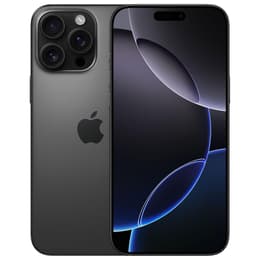
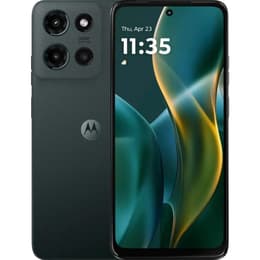
The iPhone 16 Pro Max (2024) and the Motorola Moto G (2025) represent entirely different tiers of the smartphone market, catering to vastly different user expectations. While the Apple flagship operates on iOS and targets users looking for advanced multimedia and processing capabilities, the Motorola Moto G runs on Android and focuses on delivering core everyday essentials. Choosing between them depends heavily on whether your priority lies in advanced multi-camera flexibility or straightforward, reliable daily communication.
Color
Storage (GB)
When examining longevity and software support, both devices handle updates differently based on their market placement and hardware architecture. The iPhone 16 Pro Max benefits from Apple's extended software support lifecycle spanning multiple years, whereas the Motorola Moto G receives a more streamlined software update window typical of accessible Android models.
Release Year
Foldable
Processing power and memory management dictate how smoothly each phone handles daily tasks, heavy multitasking, and gaming applications. The iPhone 16 Pro Max utilizes a high-end processor designed for intensive graphics and complex background processes, whereas the Motorola Moto G relies on an efficient processor built for standard messaging, web browsing, and media streaming.
Display technology creates a stark contrast in visual clarity, outdoor brightness, and motion handling between the two smartphones. The iPhone 16 Pro Max features a large, high-resolution OLED panel with deep contrast levels, while the Motorola Moto G utilizes an IPS LCD screen designed for clear, everyday readability.
Resolution
Screen type
Optics and media playback capabilities vary significantly, ranging from professional-grade multi-lens arrays to straightforward dual-camera setups. The iPhone 16 Pro Max includes a versatile triple-lens system with advanced telephoto capabilities and high-resolution video features, whereas the Motorola Moto G equips a primary sensor focused on casual point-and-shoot photography.
Physical design, build materials, and connectivity standards dictate how each device feels during everyday handling and travel. The iPhone 16 Pro Max uses a titanium frame and textured glass back, whereas the Motorola Moto G features a lightweight polymer build designed for comfortable one-handed use.
Weight
Screen size (inches)
Network
SIM card
Carrier compatibility
Users prioritizing high-end mobile gaming, advanced photography, and long-term software support will find the iPhone 16 Pro Max well-suited to their needs. Conversely, users who value straightforward everyday communication, expandable storage, and a lightweight build often lean toward the Motorola Moto G. Evaluating these practical differences ensures a choice that aligns with your daily routine without focusing on cost or promotional claims. For those exploring sustainable tech habits, selecting a quality-assured refurbished option provides an eco-friendly alternative that extends device lifecycles. Ultimately, the right smartphone depends entirely on which daily features matter most to your personal workflow.