
Compare models

iPhone 11 Pro • Unlocked vs iPhone 8 • Unlocked

  • 1-year warranty
  • Free standard shipping
  • Free 30-day returns
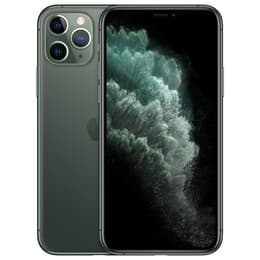
iPhone 11 Pro • Unlocked
Starting at

Refurbished price:$199.00

Versus $749.00 new

See options
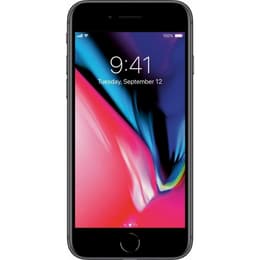
iPhone 8 • Unlocked
iPhone 8 • Unlocked
Starting at

Refurbished price:$104.00

Versus $189.00 new

See options

Differences at a glance

The iPhone 11 Pro (released in September 2019) and the iPhone 8 (released in September 2017) represent different generations of Apple's smartphone evolution. While both devices operate on the iOS platform, the iPhone 11 Pro introduced significant advancements in display technology, camera capabilities, and processing power. The iPhone 8, on the other hand, maintains a classic design with a physical home button.

Scores

Durability

The age difference between these two models directly impacts their expected software support and overall practical lifespan.

  • Software Support: The iPhone 8, having been released in 2017, has reached the end of its major operating system update cycle, currently running iOS 16.7.15 as of March 2026. This means it may no longer receive the newest features or security patches. In contrast, the iPhone 11 Pro, launched two years later, is compatible with more recent iOS versions, such as iOS 18, ensuring a longer period of access to current features and security updates.
  • Build Materials and Durability: The iPhone 11 Pro features a stainless steel frame and textured matte glass, offering a robust feel and enhanced resistance to daily wear. The iPhone 8 utilizes an aluminum frame with a glass back, which is lighter but may feel less substantial. Both devices offer water and dust resistance, with the iPhone 11 Pro rated IP68 (up to 4 meters for 30 minutes) and the iPhone 8 rated IP67 (up to 1 meter for 30 minutes).
  • Expected Lifespan: Users seeking the longest possible software longevity and access to the latest features will find the iPhone 11 Pro to be a more future-proof option due to its newer release date and extended update timeline. The iPhone 8, while still functional, is better suited for users who do not require the very latest software.

Release Year

2019

2017

Last OS Compatibility

Yes

No

OS

iOS

iOS

Foldable

No

No

Performance

Daily responsiveness and multitasking capabilities vary noticeably between these two generations of hardware when running modern applications.

  • System Responsiveness: The iPhone 11 Pro handles demanding applications and multitasking smoothly, offering a more fluid user experience due to its more advanced internal components. The iPhone 8, while still capable for everyday tasks, may exhibit slower app loading times and less seamless transitions, especially with more intensive applications.
  • Storage Options: The iPhone 11 Pro offers storage configurations up to 512GB, providing ample space for extensive media libraries and numerous applications. The iPhone 8 is available with up to 256GB of storage, which may be sufficient for many users but offers less headroom for large digital collections.
  • Battery Behavior: The iPhone 11 Pro generally provides extended battery life, often lasting more than a full day and sometimes up to 1.5 days with typical usage. It supports faster wired charging and wireless charging. The iPhone 8 typically offers a full day of use for most users, with some reporting around 9-10 hours of web browsing. It also supports wireless charging.

Memory (GB)

4 GB

2 GB

Screen quality

The display technology represents a significant difference between these two iPhone models, impacting visual quality and viewing experience.

  • Display Technology and Clarity: The iPhone 11 Pro features a 5.8-inch Super Retina XDR OLED display, which delivers deep blacks, vibrant colors, and a high contrast ratio of 2,000,000:1. This results in a more immersive viewing experience, especially for HDR content. The iPhone 8 has a 4.7-inch Retina HD LCD display with a 1400:1 contrast ratio, providing clear visuals but with less contrast and color depth compared to OLED.
  • Brightness and Outdoor Visibility: The iPhone 11 Pro offers higher peak brightness, reaching up to 800 nits typically and 1200 nits for HDR content, which improves visibility in bright outdoor conditions. The iPhone 8 has a maximum brightness of 625 nits, which is adequate for most indoor and outdoor scenarios but may struggle more in direct sunlight.
  • Screen Size and Features: The iPhone 11 Pro's larger 5.8-inch display provides more screen real estate for media consumption and productivity. Both devices include True Tone technology, which adjusts the display's white balance to match ambient lighting, and Wide Color (P3) for accurate color reproduction. The iPhone 8 includes 3D Touch, while the iPhone 11 Pro uses Haptic Touch.

Resolution

1125 x 2436

750 x 1334

Screen type

Super Retina XDR OLED

Retina IPS LCD

Audiovisual

Photography and media consumption capabilities have evolved significantly between the release of these two models, particularly in low-light conditions.

  • Camera System Versatility: The iPhone 11 Pro features a triple 12-megapixel camera system, including wide, ultra-wide, and telephoto lenses, offering greater flexibility for various photographic scenarios, from expansive landscapes to zoomed-in portraits. The iPhone 8 is equipped with a single 12-megapixel wide-angle rear camera, which is capable of producing clear photos in good lighting but lacks the specialized lenses for different perspectives.
  • Low-Light Performance and Features: The iPhone 11 Pro excels in dim environments thanks to its dedicated Night Mode and Deep Fusion image processing, which significantly brightens images and reduces noise. The iPhone 8 lacks these specific night-time optimizations, resulting in darker and less detailed photos in low-light settings. Both support 4K video recording.
  • Front Camera and Audio Experience: The iPhone 11 Pro features a 12-megapixel TrueDepth front camera with Portrait Mode and 4K video recording capabilities. The iPhone 8 has a 7-megapixel FaceTime HD front camera. The iPhone 11 Pro also provides a more immersive spatial audio experience through its speakers, whereas the iPhone 8 offers standard stereo sound.

Main camera

12 megapixels

12 megapixels

Front camera

12 megapixels

7 megapixels

Miscellaneous

Beyond core specifications, several practical elements contribute to the overall user experience and daily convenience of these devices.

  • Biometric Security: The iPhone 11 Pro utilizes Face ID for secure authentication and unlocking, offering a modern, hands-free approach. The iPhone 8 features Touch ID, integrated into its physical home button, which some users prefer for its familiarity and speed.
  • Physical Design and Handling: The iPhone 11 Pro has dimensions of 144 x 71.4 x 8.1 mm and weighs 188 grams, offering a substantial feel in hand. The iPhone 8 is more compact and lighter at 138.4 x 67.3 x 7.3 mm and 148 grams, making it easier for one-handed use and pocketability.
  • Connectivity and Ports: Both devices feature a Lightning port for charging and data transfer, and neither includes a traditional headphone jack. For wireless connectivity, the iPhone 11 Pro supports Wi-Fi 6 (802.11ax), offering faster and more efficient wireless connections, while the iPhone 8 supports Wi-Fi 5 (802.11ac). Both models include Bluetooth 5.0 and NFC.

Weight

7 oz

5 oz

Screen size (inches)

5.8

4.7

Network

LTE

LTE

SIM card

Physical SIM + eSIM

Physical SIM

Carrier compatibility

Unlocked

Unlocked

Connector

Lightning

Lightning

What the community thinks

User feedback for the iPhone 8 often highlights its reliable performance for everyday tasks and the enduring appeal of Touch ID. Many users appreciate its compact size and the continued functionality it offers, even several years after its release. However, common criticisms include its smaller screen size compared to newer models and the eventual degradation of battery health, necessitating more frequent charging for heavy users. The lack of the latest software updates is also a consideration for those seeking cutting-edge features and security.

The iPhone 11 Pro, on the other hand, receives praise for its significantly improved camera system, particularly its Night Mode and versatile triple-lens setup, which greatly enhances photography options. Its extended battery life is also a frequently lauded feature, often providing more than a full day of use. Some users note its slightly heavier build due to the stainless steel frame.

Users prioritizing a compact device with a familiar home button and Touch ID for basic smartphone functions may find the iPhone 8 well-suited to their needs. Those who value advanced camera capabilities, a more immersive display, longer battery life, and extended software support will likely lean towards the iPhone 11 Pro. Both devices offer a reliable iOS experience, and choosing a quality-assured refurbished option for either model provides an eco-friendly alternative for accessing these technologies.

See all articles

Our recent comparisons