iPhones
Compare models
Differences at a glance
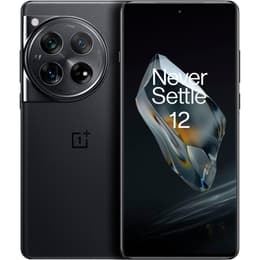
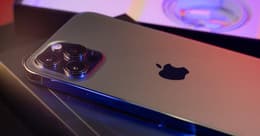
The iPhone 16, released in September 2024, and the OnePlus 12, launched globally in January 2024, represent distinct approaches to the modern smartphone experience. While both devices offer high-end performance and advanced features, they cater to different user preferences through their respective operating systems and hardware philosophies. The iPhone 16 operates on Apple's iOS, known for its integrated ecosystem, while the OnePlus 12 runs on Android with OxygenOS, offering greater customization. Key differentiators include their display technologies, camera systems, and overall design.
Color
Storage (GB)
When considering the long-term usability of a smartphone, factors like software support and physical resilience are important. The iPhone 16 and OnePlus 12 offer different timelines for updates and varying degrees of physical protection.
Release Year
Last OS Compatibility
Foldable
Both the iPhone 16 and the OnePlus 12 are equipped with powerful internal components designed to handle demanding applications and multitasking with ease, though they achieve this through different hardware architectures.
The visual experience on both the iPhone 16 and OnePlus 12 is characterized by high-quality displays, each with specific strengths in technology and presentation.
Resolution
Screen type
Both the iPhone 16 and OnePlus 12 are equipped with advanced camera systems designed to capture high-quality photos and videos, each with its own set of features and strengths.
Main camera
Front camera
Beyond core performance and display, several practical features and design elements differentiate the iPhone 16 and OnePlus 12, impacting daily usability and user interaction.
Weight
Screen size (inches)
Network
SIM card
Carrier compatibility
Connector
The iPhone 16 and OnePlus 12 each present a compelling package, appealing to different user priorities. Users often praise the iPhone 16 for its seamless integration within the Apple ecosystem, consistent software experience, and robust long-term software support. Its camera system is frequently highlighted for its reliability and video capabilities, while the A18 chip ensures smooth performance for years to come. Some users, however, might find the iOS ecosystem less customizable compared to Android.
The OnePlus 12 is often lauded by its users for its expansive, bright display, rapid charging speeds, and the versatility of its camera system, particularly the inclusion of a periscope telephoto lens. Its Android-based OxygenOS is appreciated for its customization options and fluid performance. However, some users might note that its software update commitment, while good, doesn't match Apple's extended timeline.
Users prioritizing a highly integrated ecosystem, long-term software updates, and a compact design with strong computational photography will find the iPhone 16 well-suited to their needs. Conversely, those who value a larger, highly customizable display, faster charging, and a versatile camera with optical zoom capabilities may lean toward the OnePlus 12. Both devices offer excellent performance and features, and for those considering a more environmentally conscious purchase, a quality-assured refurbished option for either model provides a sustainable choice.