Compare models
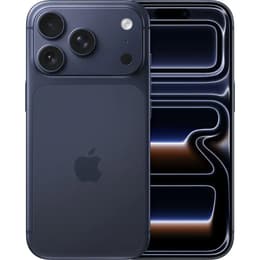
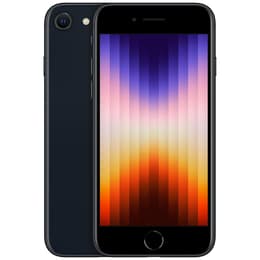
iPhone 17 Pro • Unlocked vs iPhone SE (2022) • Locked AT&T
- 1-year warranty
- Free standard shipping
- Free 30-day returns
Differences at a glance
The iPhone 17 Pro (2025) and the iPhone SE (2022) represent two distinct approaches to smartphone design, offering different balances of modern capabilities and compact engineering within the iOS ecosystem. While the iPhone 17 Pro serves as a feature-rich flagship equipped with advanced hardware, the iPhone SE focuses on a traditional layout with physical navigation controls. These devices cater to contrasting user preferences regarding screen space, camera versatility, and internal capability.
Available Models
Color
Storage
Scores
Durability
When evaluating hardware longevity and support timelines, these devices reflect their different release years and structural designs.
- Release Timeline and Support: The iPhone 17 Pro benefits from a recent launch year, ensuring software updates for an extended period, whereas the older iPhone SE approaches advanced age in its update lifecycle.
- Repairability and Build: Both models utilize durable glass and metal assemblies, though modern iterations incorporate refined reinforcement materials designed to withstand everyday wear and tear more effectively.
- Expected Lifespan: Users seeking maximum software longevity will find the newer flagship better equipped to handle upcoming operating system generations over an extended timeframe.
Release Year
2025
2022
Last OS Compatibility
Yes
Yes
OS
iOS
iOS
Foldable
No
No
Performance
Daily operation and multitasking capabilities differ significantly due to generational advancements in processor architecture and memory capacity.
- System Responsiveness: The iPhone 17 Pro handles demanding applications, intense multitasking, and complex mobile games smoothly, while the iPhone SE manages everyday tasks like messaging and web browsing reliably with its current-generation capability.
- Memory and Storage: Higher RAM allocation in the newer flagship allows multiple background applications to remain active without reloading, contrasted with the more modest memory configuration found in the compact model.
- Battery Behavior: The larger battery capacity and efficient power management in the iPhone 17 Pro sustain prolonged heavy usage throughout a full day, whereas the smaller battery in the iPhone SE requires more frequent recharging for intensive tasks.
Screen quality
Display technologies and viewing experiences vary widely between these two options, influencing media consumption and outdoor visibility.
- Display Technology: The iPhone 17 Pro features a vibrant OLED display with deep blacks and high peak brightness levels for clear outdoor viewing, while the iPhone SE utilizes a traditional LCD screen with standard contrast ratios.
- Refresh Rate and Smoothness: Motion appears notably fluid on the flagship model due to a high refresh rate display technology, whereas the SE relies on a standard 60Hz refresh rate.
- Size and Format: The iPhone 17 Pro offers an expansive edge-to-edge viewing area, while the iPhone SE features a smaller panel bordered by classic bezels and a physical home button.
Resolution
2622x1206
750 x 1334
Screen type
Super Retina XDR
Retina IPS LCD
Audiovisual
Photography and audio-visual output capabilities reflect the technological gap between a modern multi-lens array and a single-lens setup.
- Camera Systems: The iPhone 17 Pro incorporates a versatile triple-lens arrangement featuring high-resolution sensors and extended optical zoom options, compared to the single rear camera on the iPhone SE.
- Low-Light and Video: Advanced computational photography and larger sensors allow the flagship to capture sharp details in dim environments and record high-end professional video formats, while the SE handles casual daylight photography adequately.
- Media Output: Stereo speakers on both devices deliver clear sound for calls and media, with the larger flagship providing a more immersive acoustic profile during video playback.
Main camera
48 megapixels
12 megapixels
Front camera
18 megapixels
7 megapixels
Miscellaneous
Practical everyday features, connectivity standards, and physical handling characteristics shape the routine user experience.
- Connectivity Standards: Both models support 5G networks, though the newer device features updated wireless standards and modern modem hardware for faster data transmission.
- Physical Ports: The iPhone 17 Pro adopts the universal USB-C standard for charging and data transfer, while the iPhone SE retains the traditional Lightning connector.
- Dimensions and Handling: The lightweight and compact frame of the iPhone SE suits one-handed operation easily, whereas the larger dimensions of the iPhone 17 Pro accommodate its expansive screen and robust battery.
Weight
206 oz
3 oz
Screen size (inches)
6.3
4.7
Network
5G
5G
SIM card
eSIM
Physical SIM + eSIM
Carrier compatibility
Unlocked
AT&T
Connector
USB-C
Lightning
What the community thinks
User feedback highlights distinct preferences for each device based on everyday habits. Owners of the iPhone 17 Pro frequently praise its exceptional battery endurance, smooth display performance, and versatile camera array, though some note its larger physical footprint. Conversely, users of the iPhone SE appreciate its familiar compact form factor, physical home button, and lightweight handling, while noting that the smaller battery and screen space require compromises during heavy media consumption.
Users prioritizing high-end photography, extended battery life, and modern display technology will find the iPhone 17 Pro well-suited to their needs. Meanwhile, users who prefer a compact device with traditional navigation and straightforward functionality may lean toward the iPhone SE, which is also available as a quality-assured refurbished option for those seeking a sustainable choice. Ultimately, the right selection depends on whether daily routines center around media and multitasking or streamlined, traditional communication.