
Compare models

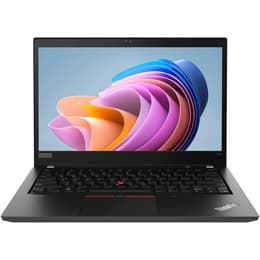
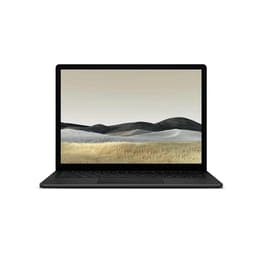
Lenovo ThinkPad T14 G1 14" vs Microsoft Surface Laptop 3 13"

  • 1-year warranty
  • Free standard shipping
  • Free 30-day returns
Lenovo ThinkPad T14 G1 14"
Starting at

Refurbished price:$374.00

Versus $485.98 new

See options
Microsoft Surface Laptop 3 13"
Starting at

Refurbished price:$352.00

Versus $360.00 new

See options

Differences at a glance

The Lenovo ThinkPad T14 Gen 1 (2020) and the Microsoft Surface Laptop 3 13-inch (2019) represent two distinct approaches to professional portable computing. While the ThinkPad focuses on modular utility, extensive physical connectivity, and enterprise-grade durability, the Surface Laptop prioritizes a minimalist aesthetic, lightweight form factor, and a touch-responsive display. Both devices run on Windows operating systems and cater to productivity-focused users, yet they differ significantly in their physical design, input methods, and hardware upgradeability.

Available Models

Storage (GB)

Processor

Memory (GB)

Scores

Durability

When evaluating the longevity and maintenance expectations of these two laptops, users will find contrasting philosophies regarding hardware serviceability and expected operational lifespans.

  • Software support and updates: Both laptops receive continuous operating system updates and security patches through the Windows ecosystem, ensuring long-term software compatibility for everyday productivity tools.
  • Hardware repairability: The ThinkPad T14 Gen 1 features a more traditional modular design with accessible internal components and replaceable parts, whereas the Surface Laptop 3 uses a sealed chassis that makes physical repairs and component swaps significantly more challenging.
  • Expected lifespan: Choosing a quality-assured refurbished option provides an eco-friendly alternative that extends the operational life of these enterprise-class machines while reducing electronic waste.

Release Year

2020

2019

OS

Windows 11

Windows 11

Performance

Both laptops handle standard office applications, web browsing, and document editing smoothly, though they manage multitasking and hardware resources through different configurations.

  • Storage and memory handling: Both devices offer various solid-state drive configurations paired with capable memory allocations, allowing users to switch between multiple browser tabs and office programs without noticeable system stutter.
  • Everyday processing responsiveness: Applications launch quickly and multitasking remains stable under typical workloads, though neither system is built for heavy 3D rendering or intensive gaming.
  • Battery behavior: Battery longevity varies depending on usage patterns, with both machines generally lasting through a standard workday of mixed web browsing and word processing before requiring a recharge.

Graphic card

Integrated Graphics

Integrated Graphics

Screen quality

The visual experience differs notably between the two models, primarily driven by distinct screen dimensions, aspect ratios, and touch-input capabilities.

  • Display technology and clarity: The Surface Laptop 3 features a glossy pixel-dense screen with a taller aspect ratio suited for document editing, while the ThinkPad T14 offers a matte anti-glare panel designed to minimize harsh reflections under fluorescent office lighting.
  • Brightness and outdoor usability: Both screens provide adequate luminance levels for indoor environments, though users working near bright windows or outdoors will notice different handling of ambient light glare.
  • Touch interaction: The Surface Laptop line includes touch-sensitive glass by default on its 13-inch model, whereas the ThinkPad T14 relies primarily on traditional keyboard and trackpad inputs unless configured with a specific display option.

Resolution

1920 x 1080

2256 x 1504

Audiovisual

Multimedia capabilities, audio output, and conferencing tools vary between the two devices to accommodate different communication and media consumption habits.

  • Conferencing hardware: Both laptops include integrated webcams and microphone arrays suitable for virtual meetings, delivering clear voice pickup and adequate video fidelity for daily communication.
  • Speaker output: The built-in speakers provide clear audio for spoken-word content and video calls, though users seeking deep bass for music or movie viewing will benefit from external headphones or speakers.
  • Media consumption experience: The combination of screen size, panel finish, and integrated audio creates a reliable environment for watching videos or reviewing multimedia presentations.

Miscellaneous

Physical design, port selection, and portability features define how each laptop integrates into mobile or stationary work setups.

  • Connectivity and ports: The ThinkPad T14 includes a wide array of physical ports, including traditional USB slots, USB-C, HDMI, and an Ethernet jack, whereas the Surface Laptop 3 utilizes a streamlined port selection consisting mainly of USB-C, USB-A, and a proprietary charging connector.
  • Physical dimensions and weight: The Surface Laptop 3 offers a slightly thinner and lighter chassis optimized for frequent travelers, while the ThinkPad T14 prioritizes a robust structural frame with a slightly thicker profile.
  • Input peripherals: The ThinkPad features a characteristic tactile keyboard with deep key travel and a central pointing stick, contrasted with the Surface Laptop's shallow, clicky keyboard and spacious glass trackpad.

Weight

4 oz

45 oz

Screen size

14

13

What the community thinks

User discussions and community feedback indicate that both laptops maintain strong reputations for reliability, comfort, and build quality in professional environments. Common praise for the ThinkPad T14 centers on its expansive keyboard comfort, rich port selection, and serviceability, while frequent criticisms point toward its conservative industrial aesthetic. Conversely, users frequently praise the Surface Laptop 3 for its premium chassis finish, vibrant touch display, and lightweight portability, though some note limitations regarding fixed internal hardware and restricted port options. Users prioritizing physical connectivity, traditional typing comfort, and repairability may prefer the Lenovo ThinkPad T14 Gen 1, while users favoring a lightweight profile, touch input, and a sleek visual design often lean toward the Microsoft Surface Laptop 3. Selecting either device allows for an informed decision tailored to specific daily workflow requirements.
Our recent comparisons