Compare models

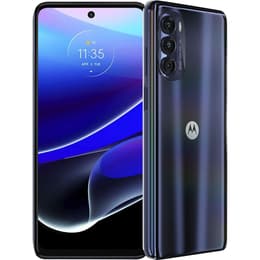
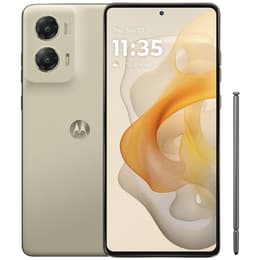
Motorola Moto G Stylus 5G (2022) • Unlocked vs Motorola Moto G Stylus 5G (2024) • Unlocked

  • 1-year warranty
  • Free standard shipping
  • Free 30-day returns
Motorola Moto G Stylus 5G (2022) • Unlocked
Starting at

Refurbished price:$171.00

Versus $499.99 new

See options
Motorola Moto G Stylus 5G (2024) • Unlocked
Starting at

Refurbished price:$155.00

Versus $299.99 new

See options

Differences at a glance

The Motorola Moto G Stylus 5G (2022) and the Motorola Moto G Stylus 5G (2024) represent consecutive generations of Motorola's mid-range smartphone lineup designed around integrated stylus productivity. While both devices run on the Android operating system and feature built-in pens for note-taking and sketching, the 2024 model introduces a modernized design language, upgraded display technology, and revised internal hardware. This comparison examines how these adjustments impact everyday usability for students, professionals, and mobile creators.

Available Models

Color

Storage

Scores

Durability

The Motorola Moto G Stylus 5G (2022) and the Motorola Moto G Stylus 5G (2024) offer different timelines for software support and physical longevity, reflecting their respective release years and manufacturing updates.

  • Software Support: The newer 2024 model provides an extended window for Android version upgrades and security patches, whereas the 2022 version approaches earlier software milestone completions.
  • Repairability and Build: Both devices feature similar construction approaches, but securing components or professional maintenance for the more recent 2024 variant aligns closer to current service networks.
  • Expected Lifespan: Users seeking prolonged software compatibility will find the 2024 edition better equipped for long-term daily deployment, making it a reliable quality-assured refurbished option for sustainable technology choices.

Release Year

2022

2024

Last OS Compatibility

No

Yes

OS

Android

Android

Foldable

No

No

Performance

The Motorola Moto G Stylus 5G (2022) and the Motorola Moto G Stylus 5G (2024) handle daily productivity tasks, multitasking, and battery management through distinct internal hardware generations.

  • Processing Power: The 2024 model manages demanding applications, quick tab switching, and casual gaming with greater efficiency thanks to its newer internal processor architecture.
  • Multitasking and Storage: Both devices support expandable storage via microSD cards, but the 2024 variant pairs its configuration with optimized RAM management for smoother background process handling.
  • Battery Behavior: Both units house large-capacity batteries designed to endure a full day of mixed usage, though the 2024 model benefits from faster charging speeds to minimize downtime.

Screen quality

The Motorola Moto G Stylus 5G (2022) and the Motorola Moto G Stylus 5G (2024) diverge significantly in their visual panel construction, impacting clarity, brightness, and overall viewing comfort.

  • Display Technology: The 2024 model transitions to an OLED panel that delivers deeper contrast levels and vibrant color reproduction compared to the LCD screen found on the 2022 version.
  • Outdoor Visibility: Peak brightness levels are higher on the 2024 device, allowing for clearer readability under direct sunlight during outdoor navigation or reading.
  • Refresh Rate and Interaction: Both displays support high refresh rates for smooth scrolling through web pages and documents, but the 2024 iteration pairs this fluidity with the color fidelity of OLED technology.

Resolution

1080 x 2460

1080 x 2400

Screen type

IPS LCD

P-OLED

Audiovisual

The Motorola Moto G Stylus 5G (2022) and the Motorola Moto G Stylus 5G (2024) capture everyday moments and handle media playback through updated sensor configurations and internal audio-visual tuning.

  • Camera Capabilities: The 2024 model incorporates optical image stabilization on its main camera sensor to reduce blur during movement, improving low-light clarity over the 2022 predecessor.
  • Video and Audio Recording: Both phones record clear everyday video and support standard voice calls, but the newer 2024 hardware processes background noise more effectively during microphone use.
  • Media Consumption: Stereo speakers on both devices provide adequate sound output for casual video viewing, while the 2024 model benefits from improved spatial audio tuning.

Main camera

50 megapixels

50 megapixels

Front camera

16 megapixels

32 megapixels

Miscellaneous

The Motorola Moto G Stylus 5G (2022) and the Motorola Moto G Stylus 5G (2024) differ in their physical ergonomics, connectivity standards, and daily handling characteristics.

  • Design and Handling: The 2024 model features a vegan leather back texture and a subtly curved screen profile that changes hand feel compared to the flatter plastic frame of the 2022 version.
  • Connectivity and Ports: Both include 5G capability and headphone jacks, while the 2024 edition updates to more modern Wi-Fi and Bluetooth standards for stable peripheral connections.
  • Stylus Integration: Both options house a physical pen within the chassis for note-taking, though the software interface for stylus shortcuts is refined on the 2024 release.

Weight

7 oz

7 oz

Width

2.98 in

2.94 in

Height

6.65 in

6.4 in

Depth

0.37 in

0.33 in

Screen size (inches)

6.8

6.7

Network

5G

5G

SIM card

Physical SIM

Physical SIM

Carrier compatibility

Unlocked

Unlocked

What the community thinks

Choosing between the Motorola Moto G Stylus 5G (2022) and the Motorola Moto G Stylus 5G (2024) depends on which specific user priorities align best with your daily routine. Users prioritizing screen vibrance, outdoor visibility, and extended software lifespans may prefer the 2024 model. Conversely, users who primarily want a straightforward productivity tool with a built-in stylus for basic note-taking can find the 2022 version well-suited to their needs. Evaluating these options as eco-friendly, quality-assured refurbished devices allows buyers to make sustainable choices tailored to their workflow without unnecessary environmental impact. Both models offer distinct advantages depending on whether modern display technology or core functional simplicity takes precedence.

Our recent comparisons