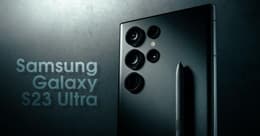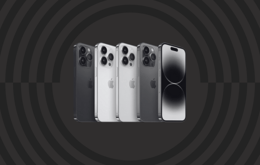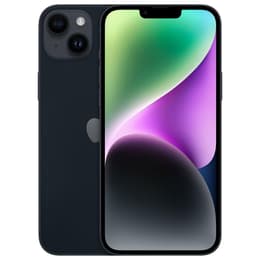
Galaxy S23 • Unlocked vs iPhone 14 Plus • Locked T-Mobile

Galaxy S23 • Unlocked
Starting at

Refurbished price:$194.99

Versus $799.00 new

See options
iPhone 14 Plus • Locked T-Mobile
Starting at

Refurbished price:$344.23

Versus $699.00 new

See options

Ratings

The Samsung Galaxy S23, released in February 2023, and the iPhone 14 Plus, launched in October 2022, represent distinct approaches to the premium smartphone experience. While both offer robust performance and advanced camera systems, they differ significantly in their operating systems, display technologies, and overall design philosophies. This comparison will explore the practical differences between these two devices, helping users understand which model might better suit their daily needs.

Scores

Durability

When considering the longevity of a smartphone, several factors come into play, including software support, physical resilience, and the expected practical lifespan for everyday use.

  • Release Timeline & Software Support: The iPhone 14 Plus, released in October 2022, typically receives iOS updates for approximately 5-6 years from its launch. The Samsung Galaxy S23, launched in February 2023, runs on Android 13 with One UI 5.1 and is guaranteed at least four years of major OS updates and five years of security updates, ensuring a long period of software relevance.
  • Physical Durability: Both devices feature robust builds designed to withstand daily use. The iPhone 14 Plus incorporates a Ceramic Shield front cover and is rated IP68 for water and dust resistance, allowing submersion up to 6 meters for 30 minutes. The Galaxy S23 also carries an IP68 rating, offering similar protection against dust and water.
  • Expected Lifespan: Given their respective release dates and manufacturer support policies, both phones are designed for several years of reliable operation. The iPhone 14 Plus, being slightly older, will likely see its software support conclude a few months earlier than the Galaxy S23. However, both offer a substantial practical lifespan, making them suitable for users seeking a durable and long-lasting device, especially when considering quality-assured refurbished options.

Release Year

2023

2022

Last OS Compatibility

Yes

Yes

OS

Android

iOS

Foldable

No

No

Performance

The performance of a smartphone is crucial for handling demanding applications, multitasking, and ensuring a smooth user experience over time. Both the Galaxy S23 and iPhone 14 Plus deliver capable performance, though they achieve this through different hardware and software optimizations.

  • Processing Power: The Samsung Galaxy S23 is equipped with a processor optimized specifically for Galaxy devices, which contributes to smooth performance and faster app launches. The iPhone 14 Plus utilizes a chip known for its efficiency and swift handling of applications. Both devices are well-suited for everyday tasks, from browsing and social media to more intensive gaming and video editing.
  • Multitasking and Storage: The Galaxy S23 typically comes with 8GB of RAM, providing ample capacity for running multiple applications simultaneously without significant slowdowns. It offers storage options up to 512GB, with higher capacities utilizing faster UFS 4.0 storage technology. The iPhone 14 Plus features 6GB of RAM and also offers storage up to 512GB, ensuring smooth transitions between apps and sufficient space for media and documents.
  • Battery Behavior: The iPhone 14 Plus is recognized for its extended battery life, often allowing typical users to go two days or more between charges. The Galaxy S23, with its 3900 mAh battery, also offers improved battery performance over its predecessor, generally lasting a full day of use for most users.

Memory (GB)

8 GB

6 GB

Screen quality

The display is a primary interface for smartphone interaction, and both the Galaxy S23 and iPhone 14 Plus offer high-quality viewing experiences with distinct characteristics.

  • Display Technology and Clarity: The Samsung Galaxy S23 features a 6.1-inch Dynamic AMOLED 2X display, providing vibrant colors and deep blacks with a resolution of 2340 x 1080 pixels. The iPhone 14 Plus boasts a larger 6.7-inch Super Retina XDR OLED display, offering excellent contrast and clarity with a resolution of 2778 x 1284 pixels. Both displays deliver sharp visuals for various content.
  • Brightness and Refresh Rate: The Galaxy S23's display can reach a peak brightness of 1750 nits, making it highly visible even in bright outdoor conditions, and features an adaptive refresh rate that can go up to 120Hz for smoother scrolling and animations. The iPhone 14 Plus offers a typical brightness of 800 nits and a peak of 1200 nits for HDR content, but its refresh rate is fixed at 60Hz.
  • Viewing Experience: Users prioritizing a larger screen for media consumption and a consistent viewing experience might lean towards the iPhone 14 Plus. Those who value a higher, adaptive refresh rate for a more fluid interaction and potentially brighter outdoor visibility might find the Galaxy S23 more appealing.

Resolution

1080 x 2340

1284 x 2778

Screen type

Dynamic AMOLED 2X

Super Retina XDR OLED

Audiovisual

Both smartphones are equipped with advanced camera systems capable of capturing high-quality photos and videos, though they approach imaging with different hardware configurations and software enhancements.

  • Rear Camera Systems: The Samsung Galaxy S23 features a versatile triple-camera setup, including a 50MP main sensor, a 12MP ultrawide lens, and a 10MP telephoto lens capable of 3x optical zoom. This provides flexibility for various photographic scenarios, including detailed close-ups and distant subjects. The iPhone 14 Plus comes with a dual-camera system, comprising a 12MP main camera with sensor-shift optical image stabilization and a 12MP ultrawide camera with a 120-degree field of view. It does not include a dedicated telephoto lens.
  • Photography Features: The Galaxy S23 offers enhanced low-light photography and can record video up to 8K resolution. The iPhone 14 Plus excels in everyday photography with features like Photonic Engine for improved low-light performance and Action mode for stable video recording. Both devices include advanced computational photography for detailed and vibrant images.
  • Front Camera: Both phones feature capable front-facing cameras. The Galaxy S23 has a 12MP selfie camera, while the iPhone 14 Plus includes a 12MP TrueDepth front camera with autofocus, which is beneficial for clear video calls and selfies.

Main camera

50 megapixels

12 megapixels

Front camera

12 megapixels

12 megapixels

Miscellaneous

Beyond core performance and imaging, several practical elements contribute to the overall user experience and differentiate these two devices.

  • Connectivity and Ports: Both the Galaxy S23 and iPhone 14 Plus support 5G connectivity, Wi-Fi 6 (or Wi-Fi 6E for the S23), and Bluetooth 5.3, ensuring fast and reliable wireless connections. A key difference lies in their physical ports: the Galaxy S23 uses a USB Type-C 3.2 port, offering faster data transfer speeds and broader compatibility, while the iPhone 14 Plus retains Apple's proprietary Lightning port.
  • Biometric Security and Design: The Galaxy S23 typically features an in-display fingerprint sensor for secure unlocking. The iPhone 14 Plus relies on Face ID for biometric authentication. In terms of physical design, the Galaxy S23 is a more compact device, weighing 168g, compared to the larger and slightly heavier iPhone 14 Plus at 203g. The iPhone 14 Plus also notably uses eSIM technology exclusively in the US, while the Galaxy S23 supports both physical nano-SIM and eSIM.
  • Additional Features: The iPhone 14 Plus introduced safety features like Crash Detection and Emergency SOS via satellite, which can be crucial in emergency situations. The Galaxy S23, while not having satellite connectivity, offers a highly customizable Android experience with Samsung's One UI.

Weight

6 oz

7 oz

Screen size (inches)

6.1

6.7

Network

5G

5G

SIM card

Physical SIM + eSIM

eSIM

Carrier compatibility

Unlocked

T-Mobile

User feedback for the Samsung Galaxy S23 often highlights its significant improvements in battery life compared to its predecessors, along with its powerful performance in a compact form factor. Many users appreciate the versatility of its camera system, particularly the inclusion of a telephoto lens and its capabilities in various lighting conditions. Some common criticisms, though less frequent for the S23 than previous models, sometimes revolve around the incremental nature of upgrades compared to the previous generation.

The iPhone 14 Plus receives consistent praise for its exceptional battery life, often cited as one of the best in its class, and its large, vibrant display. Users also value the consistent performance and the reliability of the iOS ecosystem. However, frequent criticisms include the 60Hz refresh rate of its display, which some users find less fluid than higher refresh rate screens on competing devices, and the absence of a telephoto camera, a feature reserved for the Pro models.

For users prioritizing a compact device with a highly versatile camera system, including optical zoom, and a high refresh rate display for smooth interactions, the Samsung Galaxy S23 may be the more suitable choice. Its Android operating system also offers extensive customization options. Conversely, users who prioritize a larger display, industry-leading battery endurance, and the streamlined experience of iOS, along with advanced safety features, will find the iPhone 14 Plus to be an excellent fit. Both devices offer a premium smartphone experience, and considering a quality-assured refurbished option for either model can provide an eco-friendly alternative for consumers.

See all articles

Our recent comparisons