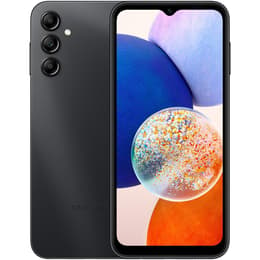

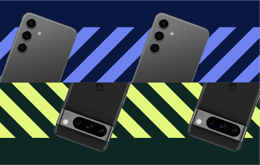
Galaxy A14 5G • Locked T-Mobile vs Google Pixel 7a • Unlocked

Galaxy A14 5G • Locked T-Mobile
Starting at

Refurbished price:$102.95

Versus $249.99 new

See options
Google Pixel 7a • Unlocked
Starting at

Refurbished price:$163.00

Versus $899.99 new

See options

Ratings

The Samsung Galaxy A14 5G, released in January 2023, and the Google Pixel 7a, launched in May 2023, are both Android smartphones designed to offer a balance of features and accessibility. While both devices provide 5G connectivity and run on the Android operating system, they cater to slightly different user priorities through their distinct approaches to camera technology, display quality, and overall performance.

Scores

Durability

When considering the long-term usability of a smartphone, software support and physical durability are key factors. These devices offer different timelines for updates and varying levels of physical resilience.

  • Software Support: The Google Pixel 7a is expected to receive OS updates until at least May 2026 and security updates until May 2028. The Samsung Galaxy A14 5G, on the other hand, was promised two major OS upgrades (up to Android 15) and four years of security updates, extending until 2027. This means the Pixel 7a generally offers a longer period of guaranteed software and security support.
  • Physical Durability: The Pixel 7a features Corning Gorilla Glass 3 for screen protection and an IP67 rating for dust and water resistance, meaning it can withstand immersion in up to 1 meter of water for 30 minutes. The Galaxy A14 5G uses a plastic back and frame and does not have an official IP rating for water or dust resistance, suggesting less protection against environmental elements.
  • Repairability: While specific repairability scores can vary, the Pixel 7a's construction, with a plastic back and aluminum frame, is noted by some users as feeling less premium than its more expensive siblings, but potentially easier to repair. The Galaxy A14 5G's plastic build also contributes to a more straightforward repair process compared to devices with glass backs.

Release Year

2023

2023

Last OS Compatibility

Yes

Yes

OS

Android

Android

Foldable

No

No

Performance

The performance of these smartphones is influenced by their internal components, impacting how smoothly they handle daily tasks, apps, and multitasking.

  • Processing Power: The Google Pixel 7a is equipped with a processor that allows it to handle demanding applications and multitasking smoothly, with performance comparable to more expensive devices. The Samsung Galaxy A14 5G's processor is suitable for everyday tasks like web browsing, social media, and video streaming, but users might experience occasional stutters with heavy multitasking or when launching apps.
  • Storage and RAM: The Pixel 7a comes with 8GB of RAM and 128GB of internal storage. The Galaxy A14 5G is available with either 4GB or 6GB of RAM and 64GB or 128GB of storage, with the added benefit of expandable storage via a microSD card slot, which the Pixel 7a lacks.
  • Battery Behavior: The Galaxy A14 5G features a 5000 mAh battery, often providing up to two days of use with moderate activity. The Pixel 7a has a 4385 mAh battery, which generally lasts a full day with typical usage, with some reports indicating it can last over 13 hours of video streaming.

Memory (GB)

4 GB

8 GB

Screen quality

The visual experience on a smartphone is largely determined by its display technology, resolution, and brightness, which differ between these two models.

  • Display Technology and Clarity: The Google Pixel 7a features a 6.1-inch OLED display with a resolution of 2400 x 1080 pixels, offering vibrant colors, deep blacks, and good clarity. The Samsung Galaxy A14 5G has a larger 6.6-inch PLS LCD display with a resolution of 2408 x 1080 pixels. While it provides good sharpness, it does not offer the same deep blacks and contrast as an OLED panel.
  • Refresh Rate and Smoothness: Both devices offer a 90Hz refresh rate, which contributes to smoother scrolling and a more fluid user experience compared to standard 60Hz displays.
  • Brightness: The Pixel 7a's OLED display offers good brightness, even in direct sunlight, though some users note it can be slow to adjust to bright outdoor conditions. The Galaxy A14 5G's LCD display peaks at around 500 nits, which can make outdoor visibility challenging in very bright conditions.

Resolution

1080 x 2408

1080 x 2400

Screen type

PLS LCD

OLED

Audiovisual

Camera capabilities are a significant differentiator, with both phones offering distinct strengths in photography and video recording.

  • Rear Camera System: The Google Pixel 7a features a 64MP main camera with optical image stabilization (OIS) and a 13MP ultrawide lens, known for producing detailed images with accurate colors and strong dynamic range, even in challenging lighting. The Samsung Galaxy A14 5G includes a 50MP main sensor, a 2MP macro lens, and a 2MP depth sensor. Its main camera performs well in good lighting, capturing detailed and vibrant photos, but it lacks an ultrawide lens and its secondary lenses offer limited utility.
  • Low-Light Performance: The Pixel 7a excels in low-light photography, leveraging its computational photography to produce clear and well-exposed images. The Galaxy A14 5G's low-light performance is decent for its segment, but noise can become apparent as light levels drop further.
  • Video Recording: The Pixel 7a supports 4K video recording at up to 60fps on its main camera and 4K at 30fps on its ultrawide and front cameras, with effective stabilization. The Galaxy A14 5G is limited to 1080p video recording at 30fps for both front and rear cameras.
  • Front Camera: The Pixel 7a has a 13MP front camera with a wide field of view and 4K video recording capabilities. The Galaxy A14 5G also features a 13MP front camera, which performs well in good lighting for selfies.

Main camera

50 megapixels

64 megapixels

Front camera

13 megapixels

13 megapixels

Miscellaneous

Beyond core features, several practical aspects contribute to the overall user experience and differentiate these two smartphones.

  • Connectivity: Both devices support 5G connectivity. The Pixel 7a offers Wi-Fi 6E and Bluetooth 5.3, providing faster and more stable wireless connections. The Galaxy A14 5G supports Wi-Fi 5 and Bluetooth 5.2.
  • Ports and Sensors: The Galaxy A14 5G includes a 3.5mm headphone jack and a USB-C port, along with NFC for contactless payments. The Pixel 7a features a USB-C port and NFC, but omits the headphone jack. Both devices include fingerprint sensors for biometric security, with the Pixel 7a also offering face unlock.
  • Design and Handling: The Pixel 7a has a 6.1-inch screen and weighs 193.5g, making it a more compact option. It features a plastic back with an aluminum frame. The Galaxy A14 5G is larger with a 6.6-inch screen and weighs 205g, featuring a plastic back and frame.

Weight

7 oz

7 oz

Screen size (inches)

6.6

6.1

Network

5G

5G

SIM card

Physical SIM

Physical SIM + eSIM

Carrier compatibility

T-Mobile

Unlocked

The Samsung Galaxy A14 5G and Google Pixel 7a each present a compelling package, but they cater to different user needs and expectations. User sentiment often highlights the Pixel 7a's camera as a standout feature, frequently praised for its ability to capture high-quality photos and videos, even in challenging conditions. Its consistent software experience and longer update commitment are also commonly appreciated. Some users, however, note its slightly smaller battery capacity compared to some competitors and the absence of a headphone jack as potential drawbacks.

The Galaxy A14 5G is often lauded for its impressive battery life, which can comfortably last a full day or more for many users. Its larger display and the inclusion of a headphone jack and expandable storage are also frequently cited as practical advantages. Criticisms sometimes point to its less powerful processor, which can lead to occasional slowdowns with demanding tasks, and its camera performance, while good in daylight, may not match the Pixel 7a in more complex scenarios or low light.

Users prioritizing an exceptional camera experience, consistent software updates, and a more compact form factor will find the Google Pixel 7a well-suited to their needs. Its robust processing power also makes it a strong choice for those who engage in more demanding mobile activities. Conversely, users who prioritize extended battery life, a larger screen, expandable storage, and the convenience of a headphone jack may lean toward the Samsung Galaxy A14 5G. Both devices offer a solid Android experience, and choosing between them often comes down to these specific priorities. For those looking for an eco-friendly and quality-assured alternative, considering refurbished options for either model can be a sustainable choice.

See all articles

Our recent comparisons