
Galaxy A16 5G • Unlocked vs iPhone 14 Pro • Unlocked

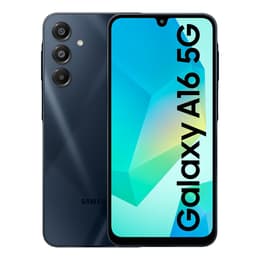
Galaxy A16 5G • Unlocked
Starting at

Refurbished price:$145.73

Versus $195.00 new

See options
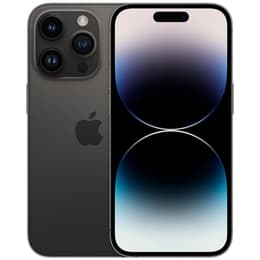
iPhone 14 Pro • Unlocked
Starting at

Refurbished price:$354.99

Versus $999.00 new

See options

Ratings

The Samsung Galaxy A16 5G, released in October 2024, and the Apple iPhone 14 Pro, launched in September 2022, represent distinct segments of the smartphone market. The Galaxy A16 5G is positioned as a contemporary mid-range device running Android, emphasizing extended software support and a large display. In contrast, the iPhone 14 Pro was a flagship model at its release, built on the iOS ecosystem and prioritizing advanced camera capabilities and powerful processing. These devices offer different user experiences, catering to varying preferences in operating system, design, and core functionalities.

Scores

Durability

The longevity of a smartphone is influenced by its physical construction and the duration of software support it receives.

  • Release Timeline and OS Support: The Galaxy A16 5G, released in late 2024, benefits from Samsung's commitment to six years of major operating system upgrades and six years of security updates, extending its software viability until October 2030. The iPhone 14 Pro, launched in late 2022, typically receives 6 to 7 years of iOS updates, meaning it is expected to continue receiving major updates until around 2028 or 2029, and is currently compatible with iOS 26.
  • Physical Durability: The iPhone 14 Pro features a robust build with a Ceramic Shield front cover, a surgical-grade stainless steel frame, and a textured matte glass back, offering an IP68 rating for water and dust resistance. The Galaxy A16 5G utilizes a plastic construction for its frame and back, which contributes to a lighter feel and includes an IP54 rating for splash and dust resistance.
  • Repairability and Lifespan: While both manufacturers offer repair programs, the iPhone 14 Pro's intricate design can make certain repairs more complex. The Galaxy A16 5G's simpler internal layout may allow for more straightforward component access for technicians. The extended software support for both devices suggests a practical lifespan that can exceed five years, making them suitable for users seeking a quality-assured refurbished option.

Release Year

2024

2022

OS

Android

iOS

Foldable

No

No

Performance

Performance varies significantly between these two devices, reflecting their different market positions and hardware optimizations.

  • Processing Power: The iPhone 14 Pro is equipped with a powerful processor designed to handle demanding applications, high-resolution video editing, and graphically intensive mobile games with high frame rates and overall system responsiveness. The Galaxy A16 5G features a mid-range processor, which provides capable performance for everyday tasks such as browsing, social media, and light gaming. However, some users have reported occasional stutters and slowdowns, particularly with more intensive use.
  • Multitasking and Storage: The iPhone 14 Pro offers efficient memory management, allowing users to switch between numerous open applications smoothly. It comes with various internal storage options up to 1TB, but without expandable storage. The Galaxy A16 5G offers multiple RAM configurations and internal storage options, with the added flexibility of expandable storage via a microSD card, which can be beneficial for users who require significant local storage for media and files.
  • Battery Behavior: The Galaxy A16 5G includes a large 5000mAh battery, designed to provide extended usage, often lasting a full day of heavy use or more. The iPhone 14 Pro, with its smaller battery capacity, benefits from efficient power management and typically provides a full day of use for most active users, though heavy usage may necessitate a daily charge.

Memory (GB)

4 GB

6 GB

Screen quality

The visual experience offered by these two smartphones differs in display technology, size, and advanced features.

  • Display Technology and Clarity: The iPhone 14 Pro features a 6.1-inch Super Retina XDR OLED display, known for its deep blacks, vibrant colors, and high pixel density (460 ppi), resulting in sharp and clear visuals. The Galaxy A16 5G offers a larger 6.7-inch Super AMOLED display with FHD+ resolution, providing a spacious viewing area and good color reproduction, though with a slightly lower pixel density.
  • Brightness and Refresh Rate: The iPhone 14 Pro boasts a ProMotion display with an adaptive refresh rate ranging from 1Hz to 120Hz, ensuring smooth scrolling and responsiveness, along with a peak outdoor brightness of 2000 nits for excellent visibility in bright conditions. The Galaxy A16 5G features a 90Hz refresh rate for smoother visuals than standard 60Hz displays and offers a typical brightness of 800 nits, which is adequate for most indoor and outdoor viewing.
  • Unique Display Features: The iPhone 14 Pro introduced the Dynamic Island, an interactive area around the front camera cutout that displays alerts and background activities. The Galaxy A16 5G uses a more traditional U-shaped notch design for its front camera.

Resolution

1080x2340

1179 x 2556

Screen type

Super AMOLED

LTPO Super Retina XDR OLED

Audiovisual

The camera systems of the iPhone 14 Pro and Galaxy A16 5G are designed for different levels of photographic capability and user expectations.

  • Rear Camera System: The iPhone 14 Pro features a versatile triple-camera system, including a 48MP main sensor with optical image stabilization, a 12MP ultrawide lens, and a 12MP telephoto lens with 3x optical zoom. It excels in capturing detailed photos with accurate colors and strong low-light performance, supported by features like Photonic Engine and ProRAW. The Galaxy A16 5G comes with a triple camera setup featuring a 50MP main sensor, a 5MP ultrawide, and a 2MP macro lens. It performs well in bright daylight conditions, but its low-light performance shows more noise and less detail compared to the iPhone.
  • Video Recording Capabilities: The iPhone 14 Pro offers advanced video recording features, including 4K HDR Cinematic mode, Action mode for stabilized footage, and high-quality audio capture. The Galaxy A16 5G supports video recording up to FHD (1080p) at 30fps across its cameras, which is suitable for casual video capture, though it lacks the advanced stabilization and resolution options of the iPhone.
  • Front Camera and Audio: The iPhone 14 Pro has a 12MP front camera with autofocus, delivering sharp selfies and supporting advanced features like Face ID. The Galaxy A16 5G features a 13MP front camera, capable of good selfies in well-lit environments. For audio, the iPhone 14 Pro provides a stereo speaker system with a wide soundstage, while the Galaxy A16 5G typically offers a more standard speaker setup.

Miscellaneous

Beyond core performance and display, several practical elements differentiate these two smartphones in daily use.

  • Connectivity and Ports: Both devices support 5G connectivity for fast mobile data. The iPhone 14 Pro uses a Lightning port for charging and data transfer, and in some regions, it exclusively supports eSIM. The Galaxy A16 5G features a USB-C port, a widely adopted standard, and typically supports physical SIM cards, with some models offering dual SIM capabilities. The Galaxy A16 5G notably lacks a headphone jack.
  • Biometric Security and Sensors: The iPhone 14 Pro relies on Face ID for secure facial recognition and includes a LiDAR scanner for enhanced augmented reality experiences and improved low-light photography. The Galaxy A16 5G typically incorporates a side-mounted fingerprint scanner for biometric authentication.
  • Design and Handling: The iPhone 14 Pro has a compact 6.1-inch form factor, weighing 206g, with premium materials that give it a dense and sturdy feel. The Galaxy A16 5G, with its larger 6.7-inch display and plastic construction, is generally lighter at 200g and offers a more expansive screen experience, though it has a larger physical footprint.

Weight

7 oz

7 oz

Screen size (inches)

6.7

6.1

Network

5G

5G

SIM card

Physical SIM

eSIM

Carrier compatibility

Unlocked

Unlocked

Connector

USB-C

Lightning

The iPhone 14 Pro and Samsung Galaxy A16 5G cater to different user priorities, reflecting their distinct market positions. Users often praise the iPhone 14 Pro for its exceptional camera quality, particularly its low-light performance and advanced video capabilities, as well as its powerful processor that ensures smooth performance across demanding applications. Its vibrant OLED display with ProMotion technology and the innovative Dynamic Island are also frequently highlighted as strong points. Some common criticisms include its battery life, which, while generally sufficient for a day, may require more frequent charging for heavy users compared to its larger Pro Max counterpart.

The Galaxy A16 5G is often lauded for its impressive software support, promising six years of updates, which is a significant advantage for a device in its category. Its large Super AMOLED display and substantial battery capacity are also frequently praised, offering an immersive viewing experience and extended usage. However, users sometimes note that its performance can feel sluggish with intensive tasks, and its camera quality, especially in low light, may not meet higher expectations.

Users prioritizing a highly capable camera system, top-tier performance for intensive tasks, and a premium build quality within the iOS ecosystem may find the iPhone 14 Pro well-suited to their needs. Conversely, those who value extended software longevity, a larger display, and robust battery life for everyday use within the Android ecosystem, and who are less concerned with flagship-level performance or advanced photography features, may lean towards the Galaxy A16 5G. Both devices offer compelling features for their respective audiences, and considering a quality-assured refurbished option for either model can be an eco-friendly alternative to purchasing new.


See all articles

Our recent comparisons