
Galaxy A23 5G • Unlocked vs Motorola Moto G (2022) • Unlocked

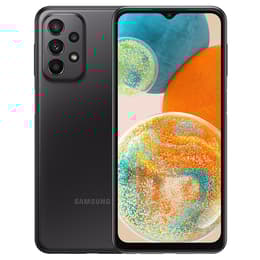
Galaxy A23 5G • Unlocked
Starting at

Refurbished price:$123.00

Versus $279.99 new

See options
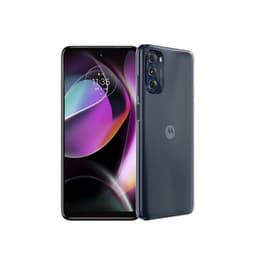
Motorola Moto G (2022) • Unlocked
See options

Ratings

The Samsung Galaxy A23 5G, released in late 2022, and the Motorola Moto G 2022, launched in mid-2022, are both smartphones designed to offer 5G connectivity and essential features. While both devices aim for a balanced user experience, they differentiate themselves through display technology, camera capabilities, and software support. This comparison will explore their practical differences to help users determine which device best suits their needs.

Scores

Durability

When considering the long-term usability of these devices, their release timelines and software support policies are key factors.

  • Release Timeline: The Motorola Moto G 2022 was released in April 2022, preceding the Samsung Galaxy A23 5G, which became available in September 2022. This difference means the Galaxy A23 5G benefits from a slightly newer hardware foundation and a later starting point for its software support cycle.
  • Software Longevity: Samsung typically offers a more extended software support period for its devices. The Galaxy A23 5G is expected to receive up to four years of software updates, including major Android version upgrades and security patches. In contrast, Motorola's update policy for the Moto G 2022 has been noted by users and reviewers as less extensive, often providing fewer major OS updates compared to its competitors, which could impact its practical lifespan for users who prioritize the latest software features and security.
  • Repairability and Build: Both phones feature plastic constructions, which can offer some resilience to drops. The Galaxy A23 5G includes Gorilla Glass 5 for screen protection, enhancing its durability against scratches and minor impacts. Neither device typically carries an official IP rating for water and dust resistance, though the Moto G 2022 is described as having a water-repellent design.

Release Year

2022

2022

OS

Android

Android

Foldable

No

No

Performance

The performance of a smartphone is crucial for daily tasks, from app usage to multitasking and gaming. Both devices offer capable performance for their segment.

  • Processing Power: The Samsung Galaxy A23 5G is equipped with a processor that handles demanding applications and multitasking smoothly. Users report that it provides a noticeable performance bump, allowing for graphic-intensive games to run with minimal stuttering at lower settings and maintaining acceptable temperatures during extended use. The Motorola Moto G 2022 features a processor that delivers decent everyday performance. While capable for general use, some reviews indicate it can exhibit sluggishness when launching apps or handling more intensive tasks, suggesting it may not be as responsive for power users.
  • Multitasking and Storage: The Galaxy A23 5G is available with up to 8GB of RAM, contributing to efficient multitasking and smoother transitions between applications. The Moto G 2022 typically comes with 4GB or 6GB of RAM, which is sufficient for standard multitasking but may show limitations with a large number of open applications. Both devices offer expandable storage via microSD cards, providing flexibility for users who need additional space for apps, photos, and videos.
  • Battery Behavior: Both smartphones are equipped with large 5000mAh batteries, designed to provide extended usage. The Galaxy A23 5G, combined with its efficient processor, is frequently praised for its excellent battery life, often lasting a day and a half or even two days for average users. The Moto G 2022 also delivers very good battery endurance, with many users reporting two days of usage on a single charge. However, the Moto G 2022's charging speed is slower compared to the Galaxy A23 5G.

Memory (GB)

6 GB

4 GB

Screen quality

The display is a primary interface for smartphone interaction, and these two models offer different visual experiences.

  • Display Technology and Resolution: The Samsung Galaxy A23 5G features a 6.6-inch PLS LCD display with a Full HD+ resolution (1080 x 2408 pixels). This results in a sharp and clear image with a pixel density of approximately 400 PPI. The Motorola Moto G 2022 has a 6.5-inch IPS LCD screen with a lower HD+ resolution (720 x 1600 pixels). This lower resolution can lead to less sharp visuals, with some users noting a noticeable difference in clarity compared to higher-resolution screens.
  • Refresh Rate and Smoothness: The Galaxy A23 5G boasts a 120Hz refresh rate, contributing to a smoother and more fluid visual experience, especially when scrolling through content or playing games. The Moto G 2022 offers a 90Hz refresh rate, which is an improvement over standard 60Hz displays and provides a reasonably smooth experience, though not as fluid as the 120Hz on the Galaxy A23 5G.
  • Brightness and Viewing Experience: The Galaxy A23 5G's display offers good brightness levels, making it usable outdoors, with peak brightness reaching around 510 nits in auto mode. Colors are generally accurate, and contrast is decent for an LCD panel. The Moto G 2022's display is described as luminous enough for bright light conditions, but some reviews mention muted colors and a lack of vibrancy, which can impact the enjoyment of multimedia content.

Resolution

1080 x 2408

720 x 1600

Audiovisual

Camera capabilities are a significant consideration for many users, and both phones offer multi-lens setups with varying results.

  • Rear Camera Systems: The Samsung Galaxy A23 5G features a quad-camera setup, including a 50MP main sensor with Optical Image Stabilization (OIS), a 5MP ultrawide lens, and two 2MP sensors for macro and depth. The main camera typically produces 12.5MP photos through pixel binning. The Motorola Moto G 2022 comes with a triple camera system, consisting of a 50MP main sensor, a 2MP macro lens, and a 2MP depth sensor. Notably, it lacks an ultrawide camera.
  • Photography Performance: The Galaxy A23 5G's main camera, aided by OIS, captures detailed photos in good lighting conditions, with decent dynamic range. Its 5MP ultrawide camera is suitable for landscapes and group shots, though low-light performance is less impressive. The Moto G 2022's 50MP main camera can take usable daylight images, but overall image quality is often described as average, with some struggles in focus and low-light conditions. The 2MP macro lens on both phones is generally considered to have limited practical utility.
  • Video Recording and Front Camera: Both devices support video recording at 1080p resolution at 30 frames per second (fps) from their main and front cameras. The Galaxy A23 5G has an 8MP front camera, while the Moto G 2022 features a 13MP front camera, which some users find capable for selfies.

Miscellaneous

Beyond core features, several other elements contribute to the overall user experience and practical utility of a smartphone.

  • Connectivity and Ports: Both the Galaxy A23 5G and Moto G 2022 support 5G connectivity, enabling faster mobile data speeds. They also include Wi-Fi 802.11 a/b/g/n/ac and Bluetooth 5.1 for wireless connections. Both devices retain a 3.5mm headphone jack, a feature appreciated by users who prefer wired audio. For charging and data transfer, both utilize a USB Type-C port.
  • Biometric Security and Design: Both phones incorporate side-mounted fingerprint sensors, integrated into the power button, for convenient and secure unlocking. The Galaxy A23 5G has dimensions of 165.4 x 76.9 x 8.4 mm and weighs 197g, featuring a matte plastic finish and Gorilla Glass 5 on the front. The Moto G 2022 is slightly thicker and heavier at approximately 165.4 x 75.8 x 9.44 mm and 204g, also with a plastic build and a water-repellent design.
  • Audio Experience: The Galaxy A23 5G typically features a single bottom-firing speaker, which provides adequate sound for casual listening but may not offer a rich audio experience. The Moto G 2022 includes dual speakers with Dolby Atmos support, which can enhance the audio quality for media consumption.

Weight

7 oz

7 oz

Screen size (inches)

6.8

6.5

Network

5G

5G

SIM card

Physical SIM

Physical SIM

Carrier compatibility

Unlocked

Unlocked

The Samsung Galaxy A23 5G and Motorola Moto G 2022 both present compelling options in the accessible smartphone market, each with distinct strengths that cater to different user priorities.

Users frequently praise the Galaxy A23 5G for its vibrant 120Hz Full HD+ display, which offers a smoother visual experience and sharper images. Its robust battery life and the promise of extended software support are also significant advantages, ensuring longer-term usability and access to newer features. While its camera system is generally considered decent for the price, some users note that low-light performance could be improved.

On the other hand, the Motorola Moto G 2022 is widely recognized for its exceptional battery life, often lasting two days or more on a single charge, making it ideal for users who prioritize endurance. Its inclusion of dual speakers with Dolby Atmos is a plus for media consumption. However, common criticisms revolve around its lower-resolution HD+ display, which can appear less sharp and vibrant, and its camera performance, particularly the absence of an ultrawide lens and struggles in challenging lighting conditions. Its software update policy is also a frequent point of concern for users seeking the latest Android versions.

Therefore, users prioritizing a superior display for media and a longer software support window may find the Samsung Galaxy A23 5G to be a more suitable choice. Its smoother screen and clearer visuals enhance daily interaction. Conversely, individuals whose primary concern is maximum battery life and who value enhanced audio for entertainment might lean towards the Motorola Moto G 2022. Both devices offer a practical and eco-friendly alternative when considering quality-assured refurbished options, allowing for informed and sustainable purchasing decisions.


See all articles

Our recent comparisons