
Compare models

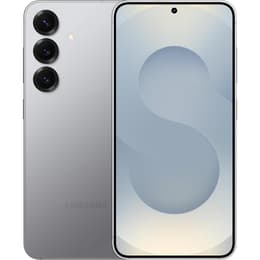
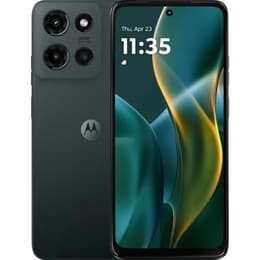
Galaxy S25 • Unlocked vs Motorola Moto G (2025) • Unlocked

  • 1-year warranty
  • Free standard shipping
  • Free 30-day returns
Galaxy S25 • Unlocked
Starting at

Refurbished price:$429.00

Versus $899.00 new

See options
Motorola Moto G (2025) • Unlocked
Starting at

Refurbished price:$144.00

Versus $399.00 new

See options

Differences at a glance

The Samsung Galaxy S25 and the Motorola Moto G, both released in 2025, represent distinct approaches to the modern Android smartphone market. While the Galaxy S25 positions itself as a compact flagship device with advanced processing power, the Motorola Moto G (2025) serves as an accessible everyday device focusing on core utility and media consumption. Both run on the Android operating system with custom software layers, but they target very different user expectations regarding capability and build.

Available Models

Color

Storage

Scores

Durability

When examining longevity and durability, both 2025 releases offer contrasting support structures and hardware build profiles tailored to different usage cycles.

  • Software Support: The Galaxy S25 benefits from an extended multi-year OS update commitment, ensuring long-term security updates, whereas the Motorola Moto G provides a more standard, shorter update window covering major system upgrades.
  • Build Quality: The Galaxy S25 features aluminum and reinforced glass construction with high-level water resistance ratings, while the Motorola Moto G utilizes durable plastics and strengthened glass front protection alongside practical daily wear resilience.
  • Lifespan Expectations: Hardware resilience and high-tier processing headroom allow the Galaxy S25 to sustain heavy usage demands over many years, while the Motorola Moto G meets standard daily communication and media needs reliably for typical usage spans.

Release Year

2025

2025

OS

Android

Android

Foldable

No

No

Performance

System performance and daily responsiveness differ significantly based on the internal hardware configuration and memory capacity of each device.

  • Multitasking and Speed: The Galaxy S25 handles demanding multi-app workflows, high-end mobile gaming, and intensive background tasks smoothly with its generous memory allocation, whereas the Motorola Moto G manages everyday tasks like messaging, web browsing, and casual video streaming efficiently with its entry-level memory profile.
  • Storage Management: The Galaxy S25 relies on high-speed internal storage options without expandable slots, while the Motorola Moto G offers expandable storage support via a microSD card slot for users who store large media libraries locally.
  • Battery Behavior: The Motorola Moto G incorporates a large capacity power cell that comfortably sustains routine daily tasks between charges, while the Galaxy S25 balances a smaller battery capacity with advanced power-efficient components for moderate daily use.

Screen quality

Display technologies vary notably between the two models, directly influencing visual clarity, outdoor visibility, and motion smoothness.

  • Panel Technology: The Galaxy S25 utilizes a vibrant OLED display panel offering deep contrast levels and rich color reproduction, whereas the Motorola Moto G employs an LCD screen technology suited for standard daily viewing.
  • Refresh Rate: Both devices support high refresh rates that enable smooth scrolling through menus, web pages, and application feeds.
  • Brightness and Outdoors: The Galaxy S25 achieves high peak luminance levels for clear legibility under bright sunlight, while the Motorola Moto G provides adequate indoor brightness and functional outdoor visibility for routine tasks.

Resolution

1080x2340

720x1604

Screen type

Dynamic LTPO AMOLED 2X

IPS LCD

Audiovisual

Optics and media playback hardware reflect the different market positions of each smartphone line.

  • Camera Versatility: The Galaxy S25 features a flexible multi-lens rear camera system including dedicated telephoto capabilities for distant subjects, while the Motorola Moto G relies on a primary high-resolution sensor paired with a secondary macro lens for close-up shots.
  • Low-Light and Video: Image processing on the Galaxy S25 maintains fine detail in challenging lighting conditions alongside stable high-resolution video recording, whereas the Motorola Moto G captures clear everyday photos and standard definition video suitable for casual sharing.
  • Audio Output: Both models include stereo or optimized speaker configurations for hands-free calls and media consumption, with the Motorola Moto G additionally retaining a traditional wired headphone jack for standard listening accessories.

Miscellaneous

Practical physical characteristics and connectivity features shape the ergonomics and day-to-day handling of both smartphones.

  • Connectivity Standards: Both units support modern mobile networks alongside current Wi-Fi and Bluetooth protocols for reliable accessory pairing and internet access.
  • Physical Dimensions: The Galaxy S25 is compact, lightweight, and easily operated with one hand, whereas the Motorola Moto G features a larger physical footprint and screen estate that accommodates expansive media viewing.
  • Security and Biometrics: Both devices offer biometric authentication methods including facial recognition and integrated fingerprint readers for quick device unlocking.

Weight

6 oz

7 oz

Screen size (inches)

6.2

6.7

Network

5G

5G

SIM card

Physical SIM + eSIM

Physical SIM + eSIM

Carrier compatibility

Unlocked

Unlocked

What the community thinks

Choosing between the Samsung Galaxy S25 and the Motorola Moto G depends entirely on individual daily priorities and expected usage intensity. Users prioritizing high-end gaming capabilities, advanced multi-lens photography, long-term software support, and a compact form factor will find the Galaxy S25 well-suited to their needs. Conversely, users who value straightforward everyday communication, expandable storage for media collections, a large viewing screen, and reliable battery longevity will lean toward the Motorola Moto G as a practical daily tool.

For consumers exploring eco-friendly purchasing habits, choosing a quality-assured refurbished option through platforms like Back Market provides a sustainable way to acquire these devices while reducing electronic waste. Reviewing these distinct operational differences ensures an informed decision that matches your routine without unnecessary complexity.


Our recent comparisons