
Compare models
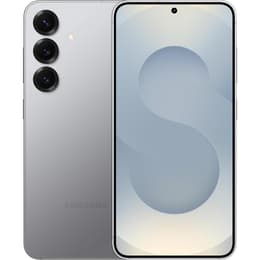
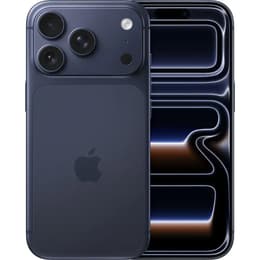
Galaxy S25 • Unlocked vs iPhone 17 Pro • Unlocked
- 1-year warranty
- Free standard shipping
- Free 30-day returns
Differences at a glance
The Samsung Galaxy S25 (2025) and the Apple iPhone 17 Pro (2025) represent two distinct approaches to high-end mobile engineering within the smartphone landscape. While the Galaxy S25 runs on Android with Samsung's custom interface, the iPhone 17 Pro operates on Apple's iOS ecosystem. Both devices offer premium build qualities and advanced capabilities, yet they differ significantly in their software design, processing philosophies, and user interfaces.
Available Models
Color
Storage (GB)
Scores
Durability
Evaluating the longevity and physical durability of these two flagship devices reveals strong long-term support structures from both manufacturers, though they utilize different update cadences and repair methodologies.
- Software Support: Both brands provide multi-year operating system updates and security patches, helping maintain software relevance and safety over several years of everyday use.
- Build Resilience: The Galaxy S25 incorporates structured armor glass protection and an aluminum frame, whereas the iPhone 17 Pro utilizes advanced scratch-resistant shield glass on both faces enclosed in a lightweight metal unibody.
- Practical Lifespan: Both models are designed to handle demanding daily workloads for years, making a quality-assured refurbished option a sustainable choice for long-term use.
Release Year
2025
2025
Last OS Compatibility
Yes
Yes
OS
Android
iOS
Foldable
No
No
Performance
System responsiveness and hardware capabilities differ between the two platforms, directly influencing how multitasking, heavy gaming, and daily applications are handled across both devices.
- Multitasking and Memory: Both smartphones feature generous random access memory configurations to keep numerous background applications active without forcing sudden reloads.
- App Loading and Speed: Each device handles intensive mobile gaming, video rendering, and rapid app switching smoothly thanks to current-generation internal processors.
- Power Management: Battery behavior varies by model, with capacity and software optimization dictating how long each phone lasts under heavy daily navigation and media streaming.
Screen quality
Display technology on both handsets delivers vivid colors, deep contrast ratios, and fluid motion handling for everyday media consumption and outdoor viewing.
- Refresh Rate and Fluidity: Both screens support adaptive high refresh rates up to 120Hz, ensuring seamless scrolling through web pages, documents, and user interfaces.
- Outdoor Visibility: High peak brightness levels on both displays allow content to remain clearly legible even under direct sunlight.
- Panel Dimensions: The Galaxy S25 opts for a compact form factor suited to single-handed reach, while the iPhone 17 Pro provides a slightly larger viewing canvas for productivity and media.
Resolution
1080x2340
2622x1206
Screen type
Dynamic LTPO AMOLED 2X
Super Retina XDR
Audiovisual
The imaging hardware on both phones caters to diverse creative needs, offering versatile multi-lens rear arrays and capable front-facing sensors for video calls and casual photography.
- Multi-Lens Versatility: Both systems feature primary, ultra-wide, and telephoto options that capture sharp details across wide landscapes and distant subjects.
- Video Recording: The iPhone 17 Pro emphasizes professional-grade video formats and advanced stabilization features, while the Galaxy S25 focuses on accessible high-resolution recording modes.
- Audio and Media Output: Stereo speakers on both devices produce clear, balanced sound output for hands-free calls, music playback, and video watching.
Miscellaneous
Practical everyday utility is shaped by physical dimensions, connectivity standards, and port configurations unique to each manufacturer's hardware ecosystem.
- Connectivity and Standards: Both models support widespread 5G networks, fast Wi-Fi protocols, and modern Bluetooth standards for reliable peripheral pairing.
- Physical Dimensions: The Galaxy S25 features a notably slim and lightweight profile, whereas the iPhone 17 Pro offers a marginally heavier build to accommodate its internal cooling structures.
- Authentication and Ports: Each phone relies on secure biometric verification alongside a universal USB Type-C port for fast charging and wired data transfers.
Weight
6 oz
206 oz
Screen size (inches)
6.2
6.3
Network
5G
5G
SIM card
Physical SIM + eSIM
eSIM
Carrier compatibility
Unlocked
Unlocked
Connector
USB-C
USB-C
What the community thinks
Users evaluating the Samsung Galaxy S25 and the iPhone 17 Pro will find that each device caters to distinct platform preferences and daily usage habits. Users prioritizing the customizability and flexible file management of the Android ecosystem often lean toward the Galaxy S25. Conversely, individuals embedded within Apple's hardware family who prioritize integrated media workflows and specific video production tools frequently prefer the iPhone 17 Pro.
Actual users frequently praise the Galaxy S25 for its lightweight ergonomics and manageable physical footprint, while noting that its battery requires mindful management during heavy workdays. On the other hand, reviewers highlight the iPhone 17 Pro for its robust video capabilities and bright display, though some point out its heavier weight in hand. Choosing between these models ultimately depends on personal preference for operating systems and ergonomic feel. Opting for a quality-assured refurbished option provides an eco-friendly way to access either of these flagship experiences while reducing electronic waste.