
Galaxy S10E • Unlocked vs iPhone 14 Pro Max • Unlocked

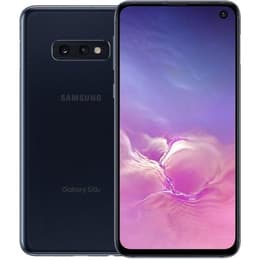
Galaxy S10E • Unlocked
Starting at

Refurbished price:$117.00

Versus $459.00 new

See options
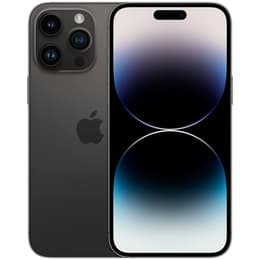
iPhone 14 Pro Max • Unlocked
Starting at

Refurbished price:$414.99

Versus $1,099.00 new

See options

Ratings

The Samsung Galaxy S10e, released in March 2019, and the Apple iPhone 14 Pro Max, launched in September 2022, represent distinct approaches to smartphone design and functionality across different generations. While the Galaxy S10e offers a compact Android experience, the iPhone 14 Pro Max provides a larger, more recent iOS platform with advanced features and enhanced performance.

Scores

Durability

The longevity of a smartphone is influenced by its release timeline, software support, and repairability.

  • Release Timeline and Software Support: The Galaxy S10e, released in 2019, received major Android operating system updates for approximately three years, concluding with Android 12. Security updates for most S10e models ended around April 2023. In contrast, the iPhone 14 Pro Max, launched in 2022, is expected to receive iOS updates for about five to seven years from its release, extending its software longevity significantly further into the future.
  • Repairability: The Galaxy S10e received a repairability score of 3 out of 10 from iFixit, indicating challenges due to extensive adhesive use and a soldered charging port. The iPhone 14 Pro Max, while initially showing some improvements in the base iPhone 14 model's design for easier back glass removal, ultimately received a lower repairability score of 4 out of 10 from iFixit due to Apple's parts pairing restrictions, which complicate independent repairs.
  • Expected Practical Lifespan: Users prioritizing the latest software features and security patches will find the iPhone 14 Pro Max offers a considerably longer period of official support. The Galaxy S10e, having reached the end of its major software update cycle, may still function but will not receive new features or the latest security enhancements.

Release Year

2019

2022

Last OS Compatibility

No

Yes

OS

Android

iOS

Foldable

No

No

Performance

Performance differences between these two devices are notable, reflecting their respective release dates and hardware advancements.

  • Processing Power: The iPhone 14 Pro Max features a more recent-generation processor, enabling it to handle demanding applications, complex multitasking, and graphics-intensive games with greater fluidity and speed. The Galaxy S10e, while offering capable performance for its time with its processor, may exhibit slower app loading times and less seamless transitions when running multiple intensive applications simultaneously compared to the iPhone 14 Pro Max.
  • Multitasking and Storage: Both devices offer various storage configurations, with the iPhone 14 Pro Max providing options up to 1TB, catering to users with extensive storage needs. The iPhone 14 Pro Max's 6GB of RAM, combined with its optimized operating system, contributes to efficient multitasking. The Galaxy S10e comes with 6GB or 8GB of RAM, which was ample for its generation, allowing for smooth operation of typical daily tasks.
  • Battery Behavior: The iPhone 14 Pro Max generally provides extended battery life, often lasting a full day or more for many users, even with heavy usage. The Galaxy S10e, with its smaller battery capacity, typically requires more frequent charging, especially for users with high demands on their device.

Memory (GB)

6 GB

6 GB

Screen quality

The display experience varies significantly between the compact Galaxy S10e and the larger iPhone 14 Pro Max.

  • Display Technology and Size: The Galaxy S10e features a 5.8-inch Dynamic AMOLED display, offering vibrant colors and deep blacks in a more compact form factor. The iPhone 14 Pro Max boasts a larger 6.7-inch Super Retina XDR OLED display, providing an expansive viewing area. Both technologies deliver rich visual experiences.
  • Resolution and Brightness: The Galaxy S10e has a resolution of 2280 x 1080 pixels with a pixel density of 438 PPI, and a peak brightness of around 603 nits. The iPhone 14 Pro Max offers a higher resolution of 2796 x 1290 pixels at 460 PPI, and significantly higher peak brightness levels, reaching up to 2000 nits outdoors, which enhances visibility in bright conditions.
  • Refresh Rate and Viewing Experience: The iPhone 14 Pro Max features an adaptive 120Hz refresh rate, resulting in smoother scrolling and more fluid animations. The Galaxy S10e has a standard 60Hz refresh rate. The larger screen and higher refresh rate of the iPhone 14 Pro Max contribute to a more immersive and responsive viewing experience, particularly for media consumption and gaming.

Resolution

1080 x 2280

1290 x 2796

Screen type

Dynamic AMOLED

LTPO Super Retina XDR OLED

Audiovisual

Both devices offer capable camera systems, though the iPhone 14 Pro Max benefits from more advanced and versatile hardware.

  • Rear Camera System: The Galaxy S10e includes a dual-camera setup with a 12MP wide-angle lens and a 16MP ultra-wide-angle lens, suitable for everyday photography. The iPhone 14 Pro Max features a more comprehensive triple-camera system, comprising a 48MP main sensor, a 12MP ultra-wide lens, and a 12MP telephoto lens, offering greater flexibility and detail capture.
  • Photography Performance: The iPhone 14 Pro Max generally excels in various lighting conditions, with its larger main sensor and advanced image processing contributing to improved low-light performance and overall detail. While the Galaxy S10e performs well in good lighting, its low-light capabilities are less refined. Users have noted the iPhone 14 Pro Max's ability to capture high-quality photos and videos.
  • Video Recording and Additional Features: The iPhone 14 Pro Max offers advanced video recording capabilities, including cinematic mode and higher resolution options, making it a strong choice for videography. Both devices provide good microphone quality for calls and recordings, and their speakers deliver clear audio for media consumption.

Main camera

12 megapixels

48 megapixels

Front camera

10 megapixels

12 megapixels

Miscellaneous

Beyond core features, several practical elements differentiate these two smartphones.

  • Connectivity and Ports: The iPhone 14 Pro Max supports 5G connectivity, offering faster mobile data speeds where available, alongside Wi-Fi 6 and Bluetooth 5.3. It uses a Lightning port for charging and data transfer. The Galaxy S10e supports 4G LTE, Wi-Fi, and Bluetooth, and notably includes a 3.5mm headphone jack and a USB-C port.
  • Biometric Security and Sensors: The Galaxy S10e features a side-mounted fingerprint sensor for secure unlocking. The iPhone 14 Pro Max utilizes Face ID for facial recognition. Both devices incorporate essential sensors like accelerometers, ambient light sensors, and gyroscopes.
  • Design and Handling: The Galaxy S10e is a compact and lightweight device, weighing 150g and measuring 142.2 x 69.9 x 7.9mm, making it comfortable for one-handed use. The iPhone 14 Pro Max is a larger and heavier device at 240g and 160.7 x 77.6 x 7.85mm, featuring a stainless steel frame and Ceramic Shield front cover for enhanced durability.
  • Build Materials: The Galaxy S10e features a glass-and-aluminum construction, providing a solid feel. The iPhone 14 Pro Max uses stainless steel for its frame and a Ceramic Shield front cover, contributing to its robust build.

Weight

5 oz

8 oz

Screen size (inches)

5.8

6.7

Network

LTE

5G

SIM card

Physical SIM

eSIM

Carrier compatibility

Unlocked

Unlocked

Connector

USB-C + Jack 3.5mm

Lightning

The Samsung Galaxy S10e and iPhone 14 Pro Max cater to different user preferences, largely due to their generational gap and operating system ecosystems. Users frequently praise the Galaxy S10e for its compact size, vibrant display, and the inclusion of a headphone jack, making it a favored option for those who prefer smaller devices and traditional connectivity. However, common criticisms include its average battery life and less capable low-light camera performance compared to newer devices.

The iPhone 14 Pro Max, on the other hand, receives acclaim for its expansive and bright display, powerful performance, and advanced camera system, particularly for video capture. Users appreciate its long battery life and the innovative Dynamic Island feature. Some common concerns include its larger size and weight, which can impact one-handed usability, and occasional reports of over-processed photos.

Users prioritizing a compact form factor, a traditional headphone jack, and a more accessible Android experience may find the Galaxy S10e well-suited to their needs. Conversely, those who value cutting-edge performance, a large and bright display, advanced camera capabilities, and a longer period of software support will likely lean towards the iPhone 14 Pro Max. Both devices offer distinct advantages, and choosing between them depends on individual priorities for size, operating system, and feature set. For those considering either device, exploring quality-assured refurbished options can be an eco-friendly alternative to extend their lifecycle.


See all articles

Our recent comparisons