
Galaxy S10E • Unlocked vs iPhone 7 • Unlocked

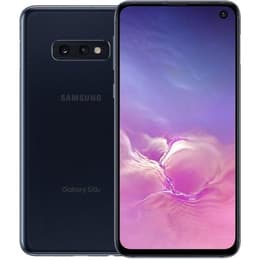
Galaxy S10E • Unlocked
Starting at

Refurbished price:$117.00

Versus $459.00 new

See options
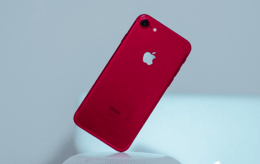
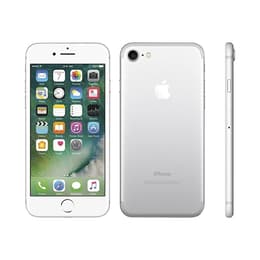
iPhone 7 • Unlocked
iPhone 7 • Unlocked
Starting at

Refurbished price:$69.00

Versus $179.00 new

See options

Ratings

The Samsung Galaxy S10e, released in March 2019, and the Apple iPhone 7, launched in September 2016, represent distinct approaches to compact smartphone design from their respective manufacturers. While both devices offer a streamlined form factor, they differ significantly in their operating systems, display technologies, and camera capabilities. The Galaxy S10e runs on Android, offering a customizable experience, whereas the iPhone 7 operates on Apple's iOS, known for its integrated ecosystem.

Scores

Durability

When considering the longevity of these devices, their release timelines and software support are key factors. The Galaxy S10e, being a newer device, generally benefits from a longer period of active software updates compared to the iPhone 7.

  • Software Support: The Samsung Galaxy S10e launched with Android 9 and received its last major operating system update with Android 12. While it may still receive security patches, new Android OS features are no longer provided by the manufacturer. The iPhone 7, released earlier, originally shipped with iOS 10 and concluded its major OS updates with iOS 15. However, it continues to receive important security updates, with iOS 15.8.7 released as recently as March 2026.
  • Repairability: The repairability of both devices presents challenges. The Galaxy S10e received a low repairability score of 3 out of 10 from iFixit, largely due to the extensive use of adhesive and difficulty in replacing components like the battery and screen. The iPhone 7, in contrast, received a higher repairability score of 7 out of 10, with iFixit noting that battery access is relatively straightforward, though specialized tools are often required.
  • Practical Lifespan: Users can expect the Galaxy S10e to offer a functional experience for several more years, particularly for those who do not require the very latest Android features. The iPhone 7, while older, benefits from Apple's extended security support, making it a viable option for users prioritizing security updates over new OS features.

Release Year

2019

2016

Last OS Compatibility

No

No

OS

Android

iOS

Foldable

No

No

Performance

The performance of a smartphone is crucial for daily tasks, and both the Galaxy S10e and iPhone 7 deliver capable experiences, though with different underlying hardware and software optimizations.

  • Processing Power: The Galaxy S10e is equipped with a more recent generation processor, which translates to smoother handling of demanding applications, quicker app loading times, and more efficient multitasking. The iPhone 7, with its older processor, still provides a responsive experience for general use and many applications, but may show limitations with the most graphically intensive games or complex tasks.
  • Multitasking and Responsiveness: The Galaxy S10e typically features more RAM, allowing it to keep more applications open in the background without needing to reload them, contributing to a fluid multitasking experience. The iPhone 7, with less RAM, manages multitasking efficiently through iOS's optimization, but users might notice apps reloading more frequently when switching between many open applications.
  • Battery Behavior: The Galaxy S10e houses a larger battery capacity, which for many users translates to a full day of moderate use. However, some users have reported its battery life as average or mediocre, particularly with heavy usage. The iPhone 7 has a smaller battery, and user feedback often points to its battery life being a significant concern, frequently requiring charging before the end of a full day, especially for heavy users.

Memory (GB)

6 GB

2 GB

Screen quality

The display is a primary interface for any smartphone, and the Galaxy S10e and iPhone 7 offer distinct visual experiences based on their underlying technologies and design philosophies.

  • Display Technology and Clarity: The Galaxy S10e features a 5.8-inch Dynamic AMOLED display, known for its vibrant colors, deep blacks, and excellent contrast. Its higher resolution provides a sharper and more detailed image. The iPhone 7 utilizes a 4.7-inch IPS LCD Retina HD display, which offers accurate color reproduction and good viewing angles, though it cannot match the contrast levels of an AMOLED panel.
  • Brightness and Outdoor Visibility: Both devices offer good brightness levels for indoor use. The Galaxy S10e's AMOLED panel generally performs well in bright outdoor conditions, maintaining readability. The iPhone 7's display also provides adequate brightness for outdoor viewing, though direct sunlight can still pose challenges.
  • Screen Size and Viewing Experience: The Galaxy S10e offers a larger screen in a relatively compact body, thanks to its modern, nearly bezel-less design with a punch-hole camera. This provides a more immersive viewing experience for media and browsing. The iPhone 7 has a smaller screen with more prominent bezels, resulting in a more traditional smartphone aesthetic and a less expansive viewing area.

Resolution

1080 x 2280

750 x 1334

Screen type

Dynamic AMOLED

Retina IPS LCD

Audiovisual

Camera capabilities are a significant consideration for many smartphone users, and both the Galaxy S10e and iPhone 7 provide tools for capturing photos and videos, albeit with different strengths.

  • Rear Camera System: The Galaxy S10e features a versatile dual-camera setup on the rear, including a 12-megapixel wide-angle lens with a variable aperture and a 16-megapixel ultra-wide-angle lens. This allows for capturing a broader perspective in photos. The iPhone 7 has a single 12-megapixel rear camera with optical image stabilization, which was a notable improvement for its time, particularly in reducing blur from handshakes.
  • Photography Performance: In good lighting conditions, both phones can produce detailed and colorful images. The Galaxy S10e's ultra-wide lens offers creative flexibility, and its main camera performs well, though some users note its low-light performance can be less consistent compared to some contemporaries. The iPhone 7's camera was praised for its improved low-light performance over previous iPhone models and its ability to capture stable shots.
  • Video Recording and Front Camera: The Galaxy S10e supports 4K video recording at 60 frames per second and features a 10-megapixel front camera capable of detailed selfies. The iPhone 7 can record 4K video at 30 frames per second and has a 7-megapixel front camera, which also captures good quality for video calls and selfies.

Main camera

12 megapixels

12 megapixels

Front camera

10 megapixels

7 megapixels

Miscellaneous

Beyond core features, several practical elements contribute to the overall user experience of these smartphones.

  • Connectivity and Ports: The Galaxy S10e offers more modern connectivity options, including support for Wi-Fi 6 and Bluetooth 5.0, providing faster and more stable wireless connections. It also features a USB-C port for charging and data transfer, and notably, retains a 3.5mm headphone jack. The iPhone 7 supports Wi-Fi 5 and Bluetooth 4.2. It uses Apple's proprietary Lightning port for charging and audio, and famously removed the 3.5mm headphone jack, requiring an adapter for traditional wired headphones.
  • Biometrics and Design: The Galaxy S10e incorporates a side-mounted fingerprint sensor integrated into the power button, which is generally fast and reliable. Its design features a glass back and an IP68 rating for dust and water resistance. The iPhone 7 uses a front-mounted capacitive home button with Touch ID for fingerprint recognition. It has an aluminum unibody design and an IP67 rating for dust and water resistance.
  • Dimensions and Handling: Both devices are designed for single-handed use. The iPhone 7 is slightly smaller and lighter, making it very pocketable. The Galaxy S10e, while having a larger screen, maintains a compact footprint, appealing to users who prefer a smaller device without sacrificing screen real estate.

Weight

5 oz

5 oz

Screen size (inches)

5.8

4.7

Network

LTE

LTE

SIM card

Physical SIM

Physical SIM

Carrier compatibility

Unlocked

Unlocked

Connector

USB-C + Jack 3.5mm

Lightning

The Samsung Galaxy S10e and iPhone 7 cater to different user preferences, largely influenced by their respective operating systems and release timelines. Users often praise the Galaxy S10e for its vibrant AMOLED display, versatile dual-camera system with an ultra-wide lens, and the inclusion of a 3.5mm headphone jack. Its compact size combined with powerful performance makes it a compelling choice for those seeking a smaller Android flagship. However, some users have noted that its battery life can be merely average, and its low-light camera performance might not always meet expectations.

The iPhone 7, despite its older release date, is frequently appreciated for its consistent performance, the reliability of iOS, and its improved camera capabilities over previous iPhone generations, particularly with optical image stabilization. Its water resistance was also a significant upgrade at the time of its release. A common criticism, however, revolves around its battery life, which many users find insufficient for a full day of heavy use, and the absence of a traditional headphone jack.

Users prioritizing a modern Android experience with a superior display, a more versatile camera setup, and the convenience of a headphone jack may find the Galaxy S10e better suited to their needs. Conversely, individuals who prefer the iOS ecosystem, value long-term security updates, and appreciate a very compact form factor might lean towards the iPhone 7. Both devices are available as quality-assured refurbished options, providing an eco-friendly alternative for consumers looking to extend the life cycle of electronic products.


See all articles

Our recent comparisons