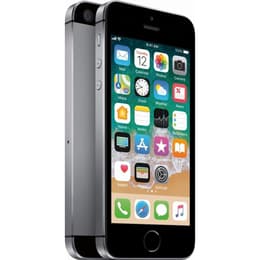

Galaxy S10E • Unlocked vs iPhone SE (2016) • Unlocked

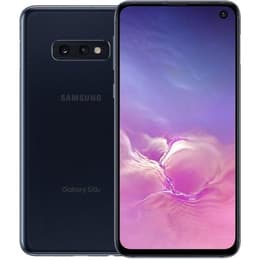
Galaxy S10E • Unlocked
Starting at

Refurbished price:$117.00

Versus $459.00 new

See options
iPhone SE (2016) • Unlocked
Starting at

Refurbished price:$77.00

Versus $249.00 new

See options

Ratings

The Samsung Galaxy S10e, released in March 2019, and the Apple iPhone SE (2016), launched in March 2016, represent distinct approaches to compact smartphone design from their respective manufacturers. While both devices offer a smaller form factor compared to many contemporary models, they differ significantly in their operating systems, display technology, and overall hardware capabilities. The Galaxy S10e runs on Android, providing a customizable experience, whereas the iPhone SE operates on Apple's iOS, known for its integrated ecosystem.

Scores

Durability

The longevity of a smartphone is influenced by its release timeline, software support, and physical durability. These two devices, separated by three years at launch, offer different expectations in these areas.

  • Release Timeline and Software Support: The iPhone SE (2016) launched with iOS 9.3.2 and received major updates up to iOS 15, with security updates continuing into early 2026. It cannot update to iOS 16 or later versions. The Galaxy S10e, released later, started with Android 9.0 Pie and concluded its major OS updates with Android 12 (One UI 4.1), though it has received security updates as recently as June 2024.
  • Durability and Water Resistance: The Galaxy S10e features an IP68 rating, indicating resistance to dust and submersion in up to 1.5 meters of fresh water for 30 minutes. The iPhone SE (2016) does not have an official IP rating for water resistance, meaning it is not designed to withstand liquid exposure.
  • Repairability: The iPhone SE (2016) generally receives a moderate repairability score, with some components like the battery being relatively accessible. In contrast, the Galaxy S10e has been noted for being more challenging to repair due to extensive use of adhesive and soldered components, resulting in a lower repairability score.

Release Year

2019

2016

Last OS Compatibility

No

No

OS

Android

iOS

Foldable

No

No

Performance

Performance in smartphones is determined by the interplay of processing power, memory, and software optimization, impacting how smoothly applications run and how efficiently tasks are handled.

  • Processing Capabilities: The Galaxy S10e is equipped with a powerful processor for its release era, enabling smooth handling of demanding applications and multitasking. The iPhone SE (2016) features a capable processor that, at its launch, offered strong performance for everyday tasks and gaming.
  • Multitasking and Responsiveness: With its higher RAM configuration, the Galaxy S10e generally manages multiple open applications and transitions between them with greater fluidity. The iPhone SE (2016), while responsive for its time, may show limitations when handling numerous modern applications simultaneously due to its smaller RAM capacity.
  • Storage Options: The Galaxy S10e offers internal storage options starting from 128GB, providing ample space for apps and media. The iPhone SE (2016) was available with various storage capacities, including 16GB, 32GB, 64GB, and 128GB.

Memory (GB)

6 GB

2 GB

Screen quality

The display is a primary interface for user interaction, and differences in technology, resolution, and size significantly affect the viewing experience.

  • Display Technology and Clarity: The Galaxy S10e features a 5.8-inch Dynamic AMOLED display, known for its vibrant colors, deep blacks, and HDR10+ support, offering a rich visual experience. The iPhone SE (2016) has a 4.0-inch IPS LCD Retina display, which provides good color accuracy and sharpness for its size, though it does not offer the same contrast levels as an AMOLED panel.
  • Resolution and Brightness: The Galaxy S10e's display has a resolution of 1080 x 2280 pixels, resulting in a clear and detailed image. It also offers good brightness levels for outdoor visibility. The iPhone SE (2016) features a resolution of 640 x 1136 pixels, which translates to a sharp image on its smaller screen, but its brightness may be less effective in direct sunlight compared to newer displays.
  • Screen Size and Viewing Experience: The Galaxy S10e provides a larger screen-to-body ratio with its 5.8-inch display, offering a more expansive viewing area for media consumption and browsing. The iPhone SE (2016)'s 4.0-inch screen is considerably smaller, which some users prefer for one-handed use and pocketability, but it offers a more constrained viewing experience.

Resolution

1080 x 2280

640 x 1136

Screen type

Dynamic AMOLED

IPS LCD

Audiovisual

Camera capabilities are a key consideration for many users, encompassing both still photography and video recording performance.

  • Rear Camera System: The Galaxy S10e is equipped with a dual-camera setup on the rear, including a 12-megapixel wide-angle lens and a 16-megapixel ultrawide lens, allowing for versatile shot composition. The iPhone SE (2016) features a single 12-megapixel rear camera that was highly regarded at its release for capturing detailed images.
  • Photography Performance: The Galaxy S10e generally delivers capable photos in well-lit conditions, with good detail and color reproduction, though its low-light performance may not match more recent devices. The iPhone SE (2016) also performs well in good lighting, producing clear and vibrant images, but struggles with graininess and lack of detail in low-light environments.
  • Video Recording and Front Camera: Both devices are capable of recording 4K video. The Galaxy S10e has a 10-megapixel front camera, suitable for selfies and video calls. The iPhone SE (2016) has a 1.2-megapixel front camera, which offers basic functionality for video calls and casual selfies.

Main camera

12 megapixels

12 megapixels

Front camera

10 megapixels

1.2 megapixels

Miscellaneous

Beyond core features, several practical elements contribute to the overall user experience, from connectivity to physical design.

  • Connectivity and Ports: The Galaxy S10e supports newer connectivity standards, including Wi-Fi 6 and Bluetooth 5.0, and features a USB-C port for charging and data transfer, alongside a 3.5mm headphone jack. The iPhone SE (2016) supports Wi-Fi 802.11ac and Bluetooth 4.2, utilizing a Lightning port for charging and data, and also includes a 3.5mm headphone jack.
  • Biometric Security: The Galaxy S10e incorporates a side-mounted fingerprint sensor integrated into the power button, offering convenient and quick unlocking. The iPhone SE (2016) uses a front-mounted Touch ID fingerprint sensor embedded in the home button for secure authentication.
  • Design and Handling: The Galaxy S10e features a modern design with a glass front and back and an aluminum frame, weighing 150 grams. The iPhone SE (2016) retains the classic design of earlier iPhone models, with a glass front and aluminum back and frame, weighing a lighter 113 grams, making it exceptionally compact.

Weight

5 oz

4 oz

Screen size (inches)

5.8

4

Network

LTE

LTE

SIM card

Physical SIM

Physical SIM

Carrier compatibility

Unlocked

Unlocked

Connector

USB-C + Jack 3.5mm

Lightning + Jack 3.5mm

The Samsung Galaxy S10e and the iPhone SE (2016) cater to different preferences, largely due to their distinct operating systems and design philosophies. Users often praise the Galaxy S10e for its vibrant AMOLED display, versatile camera system with an ultrawide lens, and modern Android features. Criticisms sometimes point to its battery life, which some users find to be average, and its lower repairability score.

The iPhone SE (2016) is frequently lauded for its exceptionally compact size, making it ideal for one-handed use and easy pocketability. Its performance for its era and solid camera in good lighting conditions also receive positive remarks. However, common concerns include its smaller, less vibrant LCD display, limited front camera capabilities, and the fact that it no longer receives major iOS updates, potentially limiting access to newer apps and features.

Users prioritizing a larger, more modern display with a versatile camera and the flexibility of the Android ecosystem may find the Galaxy S10e better suited to their needs. Those who value a highly compact device, the simplicity of iOS, and a familiar design, and who do not require the latest software features, might lean towards the iPhone SE (2016). Both devices, particularly as quality-assured refurbished options, offer a sustainable choice for consumers seeking reliable smartphones without purchasing new.

See all articles

Our recent comparisons