
General
Compare models
Differences at a glance
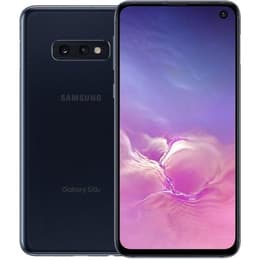
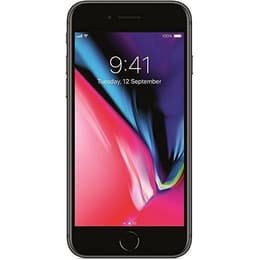
The Samsung Galaxy S10e, released in early 2019, and the iPhone 8 Plus, launched in late 2017, represent distinct approaches to smartphone design and functionality from their respective manufacturers. While the Galaxy S10e offers a more compact form factor with a modern, edge-to-edge display, the iPhone 8 Plus provides a larger screen experience within a more traditional design. Both devices run on different operating systems, Android and iOS, offering unique user interfaces and ecosystems.
Color
Storage
When considering the longevity of these devices, several factors come into play, including their release timelines, software support, and physical durability.
Release Year
Last OS Compatibility
OS
Foldable
Both the Galaxy S10e and the iPhone 8 Plus were equipped with capable internal components for their respective release periods, influencing their responsiveness and handling of applications.
The visual experience on these two smartphones differs significantly due to their display technologies and design philosophies.
Resolution
Screen type
Both devices offer capable camera systems, though they approach photography with different hardware configurations and software enhancements.
Main camera
Front camera
Beyond core performance and display, several practical elements contribute to the overall user experience of these smartphones.
Weight
Screen size (inches)
Network
SIM card
Carrier compatibility
The Samsung Galaxy S10e and iPhone 8 Plus, while both offering solid smartphone experiences, cater to different preferences due to their distinct characteristics and release timelines. Users often praise the Galaxy S10e for its compact size, vibrant AMOLED display, and the inclusion of an ultra-wide camera lens, which provides versatility in photography. [1, 6, 17, 22, 29] Some common criticisms for the S10e include its battery life, which can be inconsistent for heavy users, and the absence of a telephoto lens found on other S10 models. [21, 37, 41, 43]
The iPhone 8 Plus is frequently lauded for its consistent performance, reliable camera system with optical zoom and Portrait mode, and generally dependable battery life. [5, 11, 23, 24, 33] Its traditional design with a physical home button and Touch ID is also a point of preference for many users. Potential drawbacks noted by users often relate to its larger bezels compared to more modern designs and the use of an LCD panel rather than an OLED. [25, 32]
Users prioritizing a compact form factor, a modern full-screen aesthetic with an AMOLED display, and the flexibility of an ultra-wide camera may find the Galaxy S10e well-suited to their needs. Conversely, individuals who value a larger screen within a familiar design, consistent performance for a longer period, and dedicated telephoto camera capabilities for portraits might lean towards the iPhone 8 Plus. Both devices remain viable options, especially when considering a quality-assured refurbished option, which provides an eco-friendly alternative for extending the life cycle of these electronics.