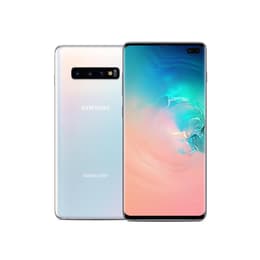
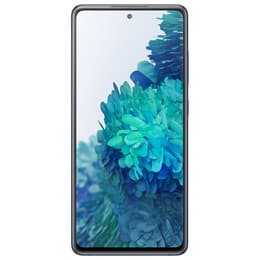

Galaxy S10+ • Unlocked vs Galaxy S20 FE 5G • Unlocked

Galaxy S10+ • Unlocked
Starting at

Refurbished price:$166.00

Versus $719.00 new

See options
Galaxy S20 FE 5G • Unlocked
Starting at

Refurbished price:$135.00

Versus $903.28 new

See options

Ratings

The Samsung Galaxy S10 Plus, released in March 2019, and the Samsung Galaxy S20 FE 5G, launched in October 2020, represent different generations within Samsung's smartphone lineup. While both offer a comprehensive Android experience, the S20 FE 5G introduces a higher display refresh rate, 5G connectivity, and a newer processor, distinguishing it from its predecessor. Both devices operate on the Android platform, with the S20 FE 5G benefiting from a longer period of software support due to its later release.

Scores

Durability

When considering the long-term usability of these devices, several factors contribute to their expected lifespan, including their release timeline, software support, and physical construction.

  • Release Timeline: The Galaxy S10 Plus was introduced in March 2019, making it an older model compared to the Galaxy S20 FE 5G, which arrived in October 2020. This difference in release dates directly impacts the duration of official software updates and security patches each device will receive.
  • Software Longevity: Samsung typically provides several years of major Android operating system updates and security patches for its flagship and upper-mid-range devices. The Galaxy S10 Plus launched with Android 9.0 (Pie), while the Galaxy S20 FE 5G debuted with Android 10 and was upgradable to Android 12, One UI 4.1. Consequently, the S20 FE 5G is expected to receive software support for a longer period, offering extended access to new features and security enhancements.
  • Physical Durability: The Galaxy S10 Plus features a glass front protected by Gorilla Glass 6 and a glass back with Gorilla Glass 5, encased in an aluminum frame. It also boasts an IP68 rating for dust and water resistance. The Galaxy S20 FE 5G, while also IP68 rated, utilizes Gorilla Glass 3 for its front display and a plastic back, combined with an aluminum frame. The S10 Plus generally offers a more robust glass protection, while the S20 FE 5G's plastic back may be less prone to shattering than glass.

Release Year

2019

2020

Last OS Compatibility

No

No

OS

Android

Android

Foldable

No

No

Performance

The performance of a smartphone is largely determined by its internal components, affecting everything from app responsiveness to battery endurance during daily use.

  • Processing Capabilities: The Galaxy S10 Plus is equipped with a capable processor from its 2019 release year, allowing for smooth handling of everyday applications and multitasking. The Galaxy S20 FE 5G, being a newer device, features a more powerful processor from its 2020 release, which translates to enhanced performance for demanding applications, faster app loading times, and a more fluid overall user experience, particularly in gaming and intensive tasks.
  • Multitasking and Storage: The S10 Plus was available with 8GB or 12GB of RAM, alongside storage options up to 1TB. The S20 FE 5G typically comes with 6GB or 8GB of RAM and storage options up to 256GB. While both offer sufficient RAM for effective multitasking, the higher RAM configurations of the S10 Plus could provide a slight edge in managing a very large number of open applications simultaneously. Both devices support expandable storage via a microSD card.
  • Battery Behavior: The Galaxy S10 Plus houses a 4100 mAh battery. The Galaxy S20 FE 5G features a larger 4500 mAh battery. In typical usage scenarios, the S20 FE 5G generally offers extended battery life, with users often reporting it can last through a full day of heavy use. Both support fast charging and wireless charging.

Memory (GB)

8 GB

6 GB

Screen quality

The display is a primary interface for smartphone interaction, and both devices offer distinct visual experiences.

  • Display Technology and Clarity: The Galaxy S10 Plus features a 6.4-inch Dynamic AMOLED display with a resolution of 3040 x 1440 pixels, resulting in a very sharp and detailed image. The Galaxy S20 FE 5G has a slightly larger 6.5-inch Super AMOLED display with a resolution of 2400 x 1080 pixels. While the S10 Plus offers a higher pixel density, both displays provide vibrant colors and deep blacks characteristic of AMOLED technology.
  • Refresh Rate and Smoothness: A key difference lies in the refresh rate. The S10 Plus operates at a standard 60Hz refresh rate. The S20 FE 5G, however, boasts a 120Hz refresh rate, which provides noticeably smoother scrolling, animations, and an overall more fluid visual experience, especially during gaming or browsing.
  • Brightness and Outdoor Visibility: Both displays offer good brightness levels suitable for outdoor use. The S20 FE 5G's display is noted for its vibrant colors and brightness, making content easily viewable even in bright conditions.

Resolution

1440 x 3040

1080 x 2400

Screen type

Dynamic AMOLED

Super AMOLED

Audiovisual

Both smartphones are equipped with versatile camera systems designed to capture a variety of moments, though with some differences in their configurations and capabilities.

  • Rear Camera System: The Galaxy S10 Plus features a triple rear camera setup consisting of a 12 MP wide-angle lens with variable aperture, a 12 MP telephoto lens offering 2x optical zoom, and a 16 MP ultrawide lens. The Galaxy S20 FE 5G also has a triple rear camera system, which includes a 12 MP wide-angle lens, an 8 MP telephoto lens with 3x optical zoom, and a 12 MP ultrawide lens. The S20 FE 5G offers a greater optical zoom capability.
  • Photography Performance: Both devices are capable of capturing detailed images in good lighting conditions. For low-light photography, the S20 FE 5G includes a dedicated Night mode, which can enhance clarity and brightness in dim environments. The S10 Plus also performs well in challenging light, thanks to its variable aperture on the main lens.
  • Front Camera and Video: The S10 Plus features a dual front camera with a 10 MP wide lens and an 8 MP depth sensor, which assists with portrait effects. The S20 FE 5G has a single, higher-resolution 32 MP wide front camera. Both phones support 4K video recording, with the S10 Plus capable of 4K at 60 frames per second and the S20 FE 5G supporting 4K at 30/60 frames per second.

Main camera

12 megapixels

12 megapixels

Front camera

10 megapixels

32 megapixels

Miscellaneous

Beyond core features, several practical elements contribute to the daily user experience and overall utility of these smartphones.

  • Connectivity and Ports: The Galaxy S10 Plus supports Wi-Fi 6, Bluetooth 5.0, and 4G LTE networks. It includes a USB-C port for charging and data transfer, and notably, retains a 3.5mm headphone jack. The Galaxy S20 FE 5G also supports Wi-Fi 6 and Bluetooth 5.0, but adds 5G connectivity, enabling faster mobile data speeds in compatible areas. It uses a USB-C port but omits the 3.5mm headphone jack.
  • Biometric Security: For secure unlocking, the S10 Plus features an ultrasonic under-display fingerprint sensor. The S20 FE 5G utilizes an optical under-display fingerprint sensor. Both methods offer convenient and secure access to the device.
  • Build and Handling: The S10 Plus measures 157.6 x 74.1 x 7.8 mm and weighs 175g. The S20 FE 5G is slightly larger and heavier at 159.8 x 74.5 x 8.4 mm and 190g. The S10 Plus offers a more compact and lighter feel, while the S20 FE 5G's dimensions are typical for modern smartphones with larger displays.

Weight

6 oz

6 oz

Screen size (inches)

6.4

6.5

Network

LTE

5G

SIM card

Physical SIM

Physical SIM

Carrier compatibility

Unlocked

Unlocked

User feedback for the Galaxy S10 Plus often highlights its premium build quality, the inclusion of a 3.5mm headphone jack, and its high-resolution display as significant advantages. Some users, however, note its older processor and shorter remaining software update cycle as potential drawbacks in the current market. The Galaxy S20 FE 5G is frequently praised for its smooth 120Hz display, 5G connectivity, and generally robust battery life, alongside its capable camera system. Criticisms sometimes point to its plastic back material and the slightly lower display resolution compared to other premium devices.

For users who prioritize a very sharp display, a more compact and lighter design, and the convenience of a traditional headphone jack, the Galaxy S10 Plus may align better with their preferences. Its premium glass construction also offers a distinct tactile experience. Conversely, individuals seeking a device with a smoother visual experience due to a higher refresh rate, the benefits of 5G connectivity for faster data, and a longer period of software support will likely find the Galaxy S20 FE 5G more suitable. Its larger battery capacity also caters to users who require extended usage between charges.

Both models remain viable options, especially when considering quality-assured refurbished alternatives, which offer an eco-friendly choice for consumers.


See all articles

Our recent comparisons