
iPhones
Compare models
Differences at a glance
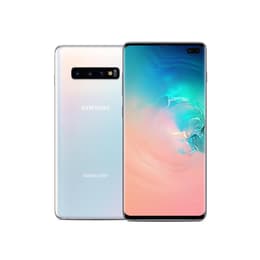
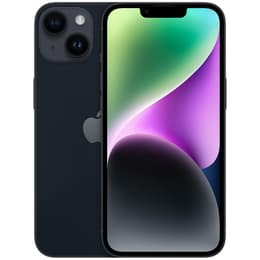
The Samsung Galaxy S10 Plus, released in March 2019, and the iPhone 14, launched in September 2022, represent different generations and operating systems within the smartphone landscape. While the Galaxy S10 Plus runs on Android, offering a customizable experience, the iPhone 14 operates on Apple's iOS, known for its integrated ecosystem. Key differentiators between these two devices include their release timelines, camera systems, and overall software support longevity.
Color
Storage
The practical lifespan of a smartphone is often influenced by its release date and the duration of software support it receives. These two devices, separated by several years, offer different expectations in this regard.
Release Year
Last OS Compatibility
OS
Foldable
Performance in smartphones is determined by a combination of processing power, memory, and battery optimization, all of which contribute to the user's daily experience.
The display is a primary interface for smartphone interaction, and both devices offer distinct visual experiences.
Resolution
Screen type
Camera capabilities are a significant factor for many users, and these phones approach photography and videography with different hardware and software philosophies.
Main camera
Front camera
Beyond core features, several practical elements contribute to the overall user experience and device utility.
Weight
Width
Height
Depth
Screen size (inches)
Network
SIM card
Carrier compatibility
Connector
Users often praise the Samsung Galaxy S10 Plus for its expansive and vibrant display, the versatility offered by its triple camera system, and the inclusion of a headphone jack and expandable storage, which are valued by many Android enthusiasts. Common criticisms sometimes point to its software update longevity compared to newer devices and the challenges associated with repairs due to its construction.
The iPhone 14 is frequently lauded for its robust performance, consistent software experience, and advanced camera features like Cinematic mode and improved low-light photography. Its newer safety features, such as Emergency SOS via satellite and Crash Detection, are also significant additions. Some users might express concerns about the continued use of the Lightning port and the limitations imposed on third-party repairs due to parts pairing.
Users prioritizing a larger, highly customizable Android experience with a headphone jack and expandable storage may find the Galaxy S10 Plus well-suited to their needs. Conversely, those who value a longer software support timeline, a highly integrated ecosystem, advanced computational photography, and cutting-edge safety features will likely lean towards the iPhone 14. Both devices offer distinct advantages, catering to different user preferences. For those considering either model, exploring quality-assured refurbished options can provide an eco-friendly alternative to extend the life cycle of these devices.