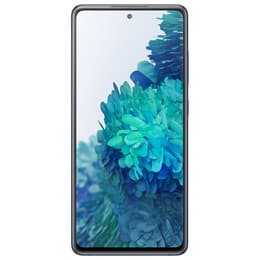
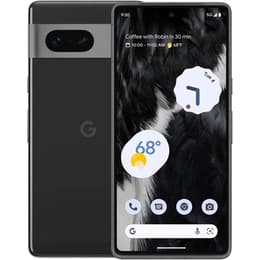

Galaxy S20 FE 5G • Unlocked vs Google Pixel 7 • Unlocked

Galaxy S20 FE 5G • Unlocked
Starting at

Refurbished price:$135.00

Versus $903.28 new

See options
Google Pixel 7 • Unlocked
Starting at

Refurbished price:$185.00

Versus $599.99 new

See options

Ratings

The Samsung Galaxy S20 FE 5G, released in October 2020, and the Google Pixel 7, launched in October 2022, are both Android smartphones that offer distinct user experiences. While the Galaxy S20 FE 5G focuses on delivering a balanced set of features from Samsung's flagship line, the Pixel 7 emphasizes Google's advanced computational photography and software integration. Both devices run on the Android operating system, but they differ in their approach to hardware and software optimization.

Scores

Durability

When considering the long-term usability of these devices, their release timelines and software support policies are key differentiators.

  • Release Timeline: The Galaxy S20 FE 5G was introduced in October 2020, making it an older device compared to the Google Pixel 7, which launched two years later in October 2022. This age difference directly impacts their remaining software support.
  • Software Longevity: The Galaxy S20 FE 5G received three major Android OS upgrades, reaching Android 13, and is expected to receive security updates until late 2024 or early 2025. In contrast, the Google Pixel 7 launched with Android 13 and is promised five years of security updates and three major OS updates, extending its software support further into the future.
  • Repairability: The Galaxy S20 FE 5G generally scores well for repairability, with some sources giving it a score of 7.5 out of 10, indicating it is moderately repairable. The Google Pixel 7 is also considered relatively repairable, with scores around 6.5 to 7 out of 10, though some components like the USB-C port are soldered, and battery removal can be challenging.

Release Year

2020

2022

Last OS Compatibility

No

Yes

OS

Android

Android

Foldable

No

No

Performance

The performance of a smartphone is largely determined by its internal components and how efficiently its software utilizes them for daily tasks.

  • Processing Power: The Galaxy S20 FE 5G is equipped with a capable processor that handles everyday applications and multitasking smoothly. The Google Pixel 7 features a newer, custom-designed processor optimized for artificial intelligence and machine learning tasks, resulting in responsive performance for demanding apps, advanced camera features, and efficient background processes.
  • Multitasking and Storage: Both devices offer ample RAM for smooth multitasking, with the Pixel 7 typically featuring 8GB of RAM, while the S20 FE 5G comes with 6GB or 8GB options. The Galaxy S20 FE 5G provides the flexibility of expandable storage via a microSD card slot, which the Google Pixel 7 does not offer.
  • Battery Behavior: The Galaxy S20 FE 5G includes a 4500 mAh battery, which generally provides a full day of use for many users. The Pixel 7 has a 4355 mAh battery, and its optimized software contributes to solid battery longevity, often lasting over 24 hours with typical usage.

Memory (GB)

6 GB

8 GB

Screen quality

The visual experience on a smartphone is heavily influenced by its display technology and specifications.

  • Display Technology and Clarity: The Galaxy S20 FE 5G features a 6.5-inch Super AMOLED display, known for its vibrant colors and deep blacks, with a resolution of 1080 x 2400 pixels. The Google Pixel 7 has a slightly smaller 6.3-inch AMOLED display, also offering 1080 x 2400 pixels, providing sharp and clear visuals.
  • Refresh Rate and Smoothness: The Galaxy S20 FE 5G boasts a 120Hz refresh rate, which contributes to very smooth scrolling and a fluid visual experience, particularly noticeable in gaming and general navigation. The Pixel 7 offers a 90Hz refresh rate, which still provides a smoother experience than standard 60Hz displays, though it is not as high as the S20 FE 5G.
  • Brightness and Durability: Both displays support HDR10+ for enhanced contrast and color. The Pixel 7's display can reach higher peak brightness levels, improving visibility in bright outdoor conditions. For protection, the Galaxy S20 FE 5G uses Corning Gorilla Glass 3, while the Pixel 7 features the more advanced Corning Gorilla Glass Victus for increased scratch and drop resistance.

Resolution

1080 x 2400

1080 x 2400

Screen type

Super AMOLED

AMOLED

Audiovisual

Both smartphones offer capable camera systems, but they approach photography with different strengths.

  • Rear Camera Systems: The Galaxy S20 FE 5G features a versatile triple-camera setup on the rear, including a 12MP main sensor with optical image stabilization (OIS), an 8MP telephoto lens with 3x optical zoom and OIS, and a 12MP ultrawide lens. The Google Pixel 7 has a dual-camera system, highlighted by a 50MP main sensor with OIS and a 12MP ultrawide lens.
  • Photography Performance: The Pixel 7 excels in computational photography, consistently producing well-exposed and detailed images across various lighting conditions, including impressive low-light performance with its Night Sight mode. The S20 FE 5G's main camera also delivers good quality photos, with its dedicated telephoto lens providing effective optical zoom capabilities.
  • Video and Front Camera: Both devices support 4K video recording at up to 60 frames per second from their main cameras. For selfies, the Galaxy S20 FE 5G has a 32MP front camera, while the Pixel 7 features a 10.8MP ultrawide front camera, both capable of 4K video recording.

Main camera

12 megapixels

50 megapixels

Front camera

32 megapixels

10.8 megapixels

Miscellaneous

Beyond core features, several practical elements contribute to the overall user experience of these devices.

  • Connectivity and Ports: Both phones support 5G connectivity for faster mobile data speeds. The Galaxy S20 FE 5G supports Wi-Fi 6, while the Pixel 7 offers the newer Wi-Fi 6E standard for potentially faster and more stable wireless connections. Both utilize a USB-C port for charging and data transfer, but neither includes a traditional 3.5mm headphone jack.
  • Biometric Security: The Galaxy S20 FE 5G features an optical in-display fingerprint sensor for secure unlocking. The Google Pixel 7 offers both an optical in-display fingerprint scanner and Face Unlock for convenient biometric authentication.
  • Build Materials and Handling: The Galaxy S20 FE 5G has a glass front (Gorilla Glass 3), an aluminum frame, and a plastic back, contributing to a lighter feel. The Pixel 7 features a more premium build with Gorilla Glass Victus on both the front and back, encased in an aluminum frame. The S20 FE 5G weighs 190g and measures 159.8 x 74.5 x 8.4 mm, while the Pixel 7 is slightly heavier at 197g and measures 155.6 x 73.2 x 8.7 mm. Both devices carry an IP68 rating for dust and water resistance.

Weight

6 oz

6 oz

Screen size (inches)

6.5

6.3

Network

5G

5G

SIM card

Physical SIM

Physical SIM + eSIM

Carrier compatibility

Unlocked

Unlocked

The Samsung Galaxy S20 FE 5G and the Google Pixel 7 cater to slightly different user priorities, reflecting their respective release dates and design philosophies. Users often praise the Galaxy S20 FE 5G for its vibrant 120Hz display, expandable storage, and versatile camera system with optical zoom. Some common criticisms have included its plastic back, which some users perceive as less premium, and its shorter software support timeline compared to newer devices.

The Google Pixel 7 is frequently lauded for its exceptional camera performance, driven by Google's advanced software, its clean Android experience, and its robust processor optimized for AI tasks. User feedback sometimes points to its 90Hz display as being less fluid than some competitors, and the absence of expandable storage can be a drawback for some.

Users prioritizing a high refresh rate display, the flexibility of expandable storage, and a dedicated optical zoom lens may find the Galaxy S20 FE 5G well-suited to their needs. Conversely, those who value cutting-edge computational photography, a streamlined Android experience with longer software support, and a more premium build will likely lean towards the Google Pixel 7. Both devices offer compelling features, and for those seeking an eco-friendly alternative, quality-assured refurbished options are available, providing a sustainable choice for either model.

See all articles

Our recent comparisons