Galaxy S20 FE 5G • Unlocked vs Google Pixel 8 Pro • Unlocked

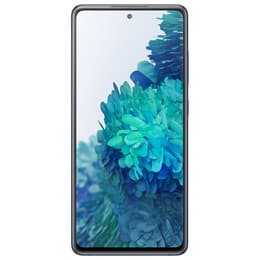
Galaxy S20 FE 5G • Unlocked
Starting at

Refurbished price:$135.00

Versus $903.28 new

See options
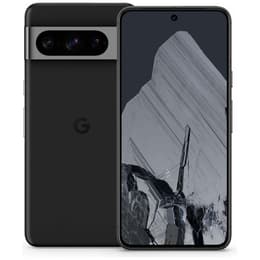
Google Pixel 8 Pro • Unlocked
Starting at

Refurbished price:$296.00

Versus $899.99 new

See options

Ratings

The Samsung Galaxy S20 FE 5G, released in October 2020, and the Google Pixel 8 Pro, launched in October 2023, represent different generations of Android smartphones. While both offer a comprehensive smartphone experience, the Pixel 8 Pro introduces advancements in camera technology, processing power, and long-term software support, reflecting its more recent development. Both devices operate on the Android platform, providing access to a wide ecosystem of applications and services.

Scores

Durability

The expected practical lifespan of a smartphone is influenced by its release timeline, software support, and physical durability.

  • Release Timeline: The Galaxy S20 FE 5G was released in October 2020, making it a device from a few years ago. The Google Pixel 8 Pro, released in October 2023, is a much newer model.
  • OS Support Duration: The Galaxy S20 FE 5G launched with Android 10 and likely received major OS updates up to Android 13. The Pixel 8 Pro, launching with Android 14, is promised an extensive seven years of full software support, including Android updates, Pixel feature drops, and security updates. This commitment means the Pixel 8 Pro will receive updates for a significantly longer period.
  • Repairability: The Galaxy S20 FE 5G is considered moderately repairable, scoring around 7.5 to 8.1 out of 10 on repairability scales, with components like the battery and screen being accessible with some effort. The Pixel 8 Pro, however, has a lower repairability score, around 4.0 out of 10, due to challenges in accessing the battery and the soldered charging port. Both devices feature an IP68 rating for dust and water resistance.

Release Year

2020

2023

Last OS Compatibility

No

Yes

OS

Android

Android

Foldable

No

No

Performance

Performance in smartphones is determined by the underlying hardware and software optimization, impacting daily responsiveness and handling of demanding applications.

  • Processor Capabilities: The Galaxy S20 FE 5G is powered by a processor that, at its release, offered fast performance for everyday tasks and gaming. The Pixel 8 Pro features a newer generation processor optimized for AI and efficiency, providing enhanced capabilities for advanced computational tasks, on-device generative AI processing, and a smoother overall experience. While the Pixel 8 Pro's processor may not always lead in raw benchmark scores compared to some competitors, it delivers a substantial performance boost over its predecessor and is designed for advanced AI features.
  • Multitasking and Responsiveness: Both devices are capable of handling multiple applications simultaneously. The Pixel 8 Pro, with its more recent processor and typically more RAM (12GB compared to 6GB or 8GB in the S20 FE 5G), offers a more fluid experience for heavy multitasking and demanding applications, with improved thermal efficiency.
  • Battery Behavior: The Galaxy S20 FE 5G is equipped with a 4500 mAh battery, providing good battery life that can last through a full day of heavy use for many users. The Pixel 8 Pro has a larger 5050 mAh battery and, combined with its efficient processor and adaptive refresh rate display, is designed to offer all-day battery life, with some users reporting 5-7 hours of screen-on time.

Memory (GB)

6 GB

12 GB

Screen quality

The visual experience on a smartphone is largely defined by its display technology, resolution, and brightness capabilities.

  • Display Technology and Clarity: Both phones feature OLED display technology, known for deep blacks and vibrant colors. The Galaxy S20 FE 5G has a 6.5-inch Super AMOLED display with a 1080 x 2400 pixel resolution. The Pixel 8 Pro features a 6.7-inch LTPO OLED display with a higher resolution of 1344 x 2992 pixels, offering greater sharpness and detail.
  • Brightness and Outdoor Visibility: The Pixel 8 Pro's display is significantly brighter, with up to 1600 nits for HDR content and a peak brightness of 2400 nits. This makes it highly visible in bright outdoor conditions. The Galaxy S20 FE 5G's display, while vibrant, may not offer the same level of outdoor visibility.
  • Refresh Rate and Smoothness: Both devices offer a 120Hz refresh rate for smooth scrolling and animations. The Pixel 8 Pro's LTPO technology allows for an adaptive refresh rate that can scale from 1Hz to 120Hz, optimizing battery consumption while maintaining fluidity.

Resolution

1080 x 2400

1344 x 2992

Screen type

Super AMOLED

LTPO OLED

Audiovisual

Camera performance is a key differentiator, with both hardware and computational photography playing significant roles in image and video quality.

  • Camera System Capabilities: The Galaxy S20 FE 5G features a triple rear camera setup with a 12MP main, 12MP ultrawide, and 8MP telephoto lens with 3x optical zoom. The Pixel 8 Pro boasts a more advanced triple camera system, including a 50MP main sensor, a 48MP ultrawide, and a 48MP telephoto lens with 5x optical zoom. The Pixel 8 Pro also has a 10.5MP front camera with autofocus, compared to the S20 FE 5G's 32MP front camera without autofocus.
  • Photography Performance: The Pixel 8 Pro excels in computational photography, consistently producing detailed images with accurate exposures and colors, particularly in low-light conditions. Its newer sensors and software enhancements contribute to brighter and more detailed ultrawide shots and improved telephoto quality up to a certain zoom level. The S20 FE 5G offered excellent camera quality for its time, with good main camera performance in various conditions and a capable 3x optical zoom.
  • Video Recording Quality: Both phones support 4K video recording at 60fps. The Pixel 8 Pro offers more advanced video features and improved stabilization, with its front camera also capable of 4K 60fps video.

Main camera

12 megapixels

50 megapixels

Front camera

32 megapixels

10.5 megapixels

Miscellaneous

Beyond core features, several practical elements contribute to the overall user experience and device utility.

  • Connectivity Options: Both devices support 5G connectivity. The Pixel 8 Pro generally includes newer Wi-Fi and Bluetooth standards, offering potentially faster and more stable wireless connections.
  • Port Types: Both smartphones utilize a USB-C port for charging and data transfer. Neither device includes a traditional 3.5mm headphone jack.
  • Useful Sensors and Biometrics: Both phones feature in-display fingerprint sensors for secure unlocking. The Pixel 8 Pro also offers Face Unlock that meets high Android security standards and includes a temperature sensor.
  • Weight and Dimensions: The Galaxy S20 FE 5G measures 159.80 x 74.50 x 8.40mm and weighs 190 grams. The Pixel 8 Pro is slightly larger and heavier, measuring 162.6 x 76.5 x 8.8mm and weighing 213 grams. These differences can impact one-handed use and pocketability.
  • Build Materials: The Galaxy S20 FE 5G features a plastic back with an aluminum frame and Gorilla Glass 3 on the front. The Pixel 8 Pro has a more premium build with Gorilla Glass Victus 2 on both the front and back, and an aluminum frame.

Weight

6 oz

7 oz

Screen size (inches)

6.5

6.7

Network

5G

5G

SIM card

Physical SIM

Physical SIM + eSIM

Carrier compatibility

Unlocked

Unlocked

User feedback for the Galaxy S20 FE 5G often highlights its balanced feature set at its release, with praise for its capable camera, vibrant 120Hz display, and reliable battery life for daily use. Some users noted its plastic back as a less premium feel compared to other flagships, and occasional inconsistencies in battery performance depending on usage patterns.

The Google Pixel 8 Pro receives significant acclaim for its advanced camera system, particularly its computational photography capabilities and low-light performance. Its long-term software support commitment and integrated AI features are also frequently praised. Criticisms sometimes point to its processor's raw performance not always matching the highest-end competitors in benchmarks, and some users find its battery life, while improved, not always exceptional for its size.

Users prioritizing an extended software support timeline, cutting-edge camera technology, and advanced AI features will find the Google Pixel 8 Pro well-suited to their needs. Its brighter, higher-resolution display and more robust build materials also offer a more premium experience. Conversely, users seeking a capable Android smartphone for everyday tasks with a still-respectable camera and display, who may not require the absolute latest features or the longest software support, might consider the Galaxy S20 FE 5G. Both devices are available as quality-assured refurbished options, providing an eco-friendly alternative for consumers.
See all articles

Our recent comparisons