Compare models
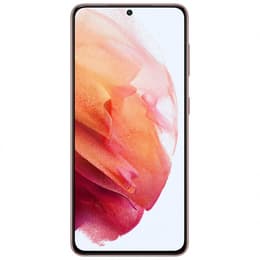
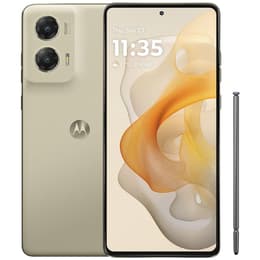
Galaxy S21 5G • Unlocked vs Motorola Moto G Stylus 5G (2024) • Unlocked
- 1-year warranty
- Free standard shipping
- Free 30-day returns
Differences at a glance
The Samsung Galaxy S21 5G (2021) and the Motorola Moto G Stylus 5G (2024) represent two distinct approaches to everyday mobile technology, balancing compact flagship heritage with modern productivity features. While both devices support high-speed network connectivity and smooth visual refresh rates, they differ significantly in their launch timelines, operating software versions, and physical interaction styles.
Available Models
Color
Storage
Scores
Durability
When evaluating hardware longevity and software support, both devices handle daily updates differently based on their initial release years and software update lifecycles.
- Software Support Timeline: The Motorola Moto G Stylus 5G (2024) launches with a more recent operating system version, while the Galaxy S21 5G has a longer historical presence on the market and approaches the later stages of its official manufacturer software patch cycle.
- Build Integrity and Repair: The Galaxy S21 5G features Gorilla Glass protection and an aluminum frame with high-tier water resistance, whereas the Motorola model relies on a textured vegan leather backing and a built-in stylus housing that requires routine care around the silo opening.
- Expected Lifespan: Both models provide durable daily operation, though users tracking multi-year software updates will experience different milestones depending on when each device originally debuted.
Release Year
2021
2024
Last OS Compatibility
Yes
Yes
OS
Android
Android
Foldable
No
No
Performance
Processing capabilities and battery behavior vary to match different daily routines, ranging from streamlined multitasking to extended media consumption.
- App Responsiveness and Multitasking: Both smartphones handle routine browsing, social media feeds, and standard office applications smoothly, backed by ample memory allocations that keep background tabs active without frequent reloading.
- Battery Behavior: The Motorola model incorporates a larger battery capacity that easily sustains prolonged usage over extended periods away from a charger, while the Galaxy S21 5G features a smaller power cell that manages daily tasks efficiently but may require a midday top-up during intensive workflows.
- Storage Options: Both units offer generous internal capacities for apps and media, with the Motorola alternative providing expandable storage via a memory card slot for large media libraries.
Screen quality
Display characteristics shape how each device presents text, videos, and interactive content during everyday use.
- Display Technology: Both models utilize vibrant OLED panel technology that delivers deep contrast levels, rich colors, and wide viewing angles for comfortable media viewing.
- Refresh Rate and Fluidity: Each device supports a fast visual refresh rate that ensures smooth scrolling through web pages, documents, and compatible user interface elements.
- Viewing Area: The Motorola model provides a larger screen canvas well-suited for detailed note-taking and split-screen viewing, while the Galaxy S21 5G offers a more compact form factor that fits comfortably in smaller hands and pockets.
Resolution
1080 x 2400
1080 x 2400
Screen type
Dynamic AMOLED 2X
P-OLED
Audiovisual
Imaging hardware and audio output cater to varied multimedia creation and consumption preferences.
- Camera Systems: The Galaxy S21 5G includes a dedicated telephoto lens for optical magnification, whereas the Motorola Moto G Stylus 5G (2024) features a high-resolution main sensor paired with an ultra-wide lens that accommodates macro photography close-ups.
- Low-Light and Video: Both smartphones incorporate image stabilization features to steady handheld video recordings and maintain clarity in dim indoor environments.
- Audio Output: Built-in stereo speakers deliver balanced sound for casual listening, with the Motorola device retaining a traditional headphone jack for wired audio accessories alongside its wireless capabilities.
Main camera
12 megapixels
50 megapixels
Front camera
10 megapixels
32 megapixels
Miscellaneous
Physical dimensions and connectivity standards influence everyday handling comfort and peripheral compatibility.
- Dimensions and Handling: The Galaxy S21 5G offers a lighter, slimmer profile composed of glass and reinforced polymer, whereas the Motorola model is slightly larger and heavier to accommodate its integrated physical stylus.
- Authentication Sensors: Both devices utilize responsive in-display fingerprint recognition for secure unlocking alongside standard facial recognition methods.
- Connectivity: Modern 5G capabilities, fast Wi-Fi standards, and Bluetooth support come standard on both units, ensuring reliable pairing with wireless accessories and networks.
Weight
6 oz
7 oz
Screen size (inches)
6.2
6.7
Network
5G
5G
SIM card
Physical SIM + eSIM
Physical SIM
Carrier compatibility
Unlocked
Unlocked
Connector
USB-C
USB-C
What the community thinks
User discussions across community forums frequently highlight the Samsung Galaxy S21 5G for its compact, pocket-friendly ergonomics and traditional flagship camera versatility. At the same time, contributors frequently praise the Motorola Moto G Stylus 5G (2024) for its extended battery stamina, immersive larger screen, and the creative convenience of an integrated writing utensil. Common discussions note that while the Samsung model can run warm during extended gaming sessions, the Motorola device is occasionally viewed as bulkier due to its stylus silo.
Users who prioritize a compact physical footprint, lightweight handling, and dedicated zoom photography will find the Galaxy S21 5G well-suited to their daily routines. Conversely, users who prioritize built-in productivity tools, a larger display canvas for sketching or notes, and longer intervals between charges may lean toward the Motorola Moto G Stylus 5G (2024). Opting for a quality-assured refurbished option provides a sustainable choice that extends device lifecycles while matching individual feature preferences.