Galaxy S21 FE 5G • Locked AT&T vs iPhone 14 • Locked AT&T

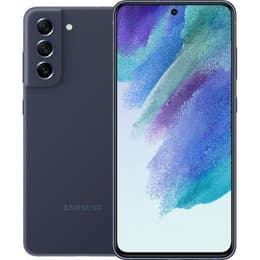
Galaxy S21 FE 5G • Locked AT&T
Starting at

Refurbished price:$135.00

Versus $699.99 new

See options
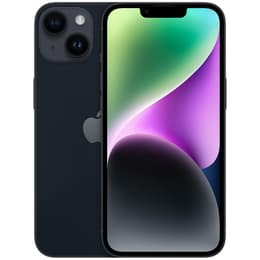
iPhone 14 • Locked AT&T
Starting at

Refurbished price:$225.72

Versus $629.00 new

See options

Ratings

The Samsung Galaxy S21 FE 5G, released in January 2022, and the Apple iPhone 14, launched in September 2022, are both prominent smartphones offering distinct user experiences. While the Galaxy S21 FE operates on the Android platform, the iPhone 14 runs on Apple's iOS. These devices cater to different preferences, primarily differing in their operating systems, display technology, and camera approaches.

Scores

Durability

When considering the long-term usability of a smartphone, factors like software support and repairability are key. Both devices offer a substantial lifespan, though their ecosystems approach longevity differently.

  • Release Timeline and OS Support: The Galaxy S21 FE 5G, launched in January 2022, is expected to receive major Android OS updates up to Android 16, and security updates until at least January 2027. The iPhone 14, released in September 2022, typically receives iOS updates for around five to seven years from its release, with an expectation of updates until approximately 2028.
  • Software Longevity Expectations: Users of the Galaxy S21 FE can anticipate a consistent flow of new features and security enhancements through its promised Android updates. iPhone 14 users benefit from Apple's long-standing commitment to software support, ensuring access to the latest iOS features and security patches for an extended period.
  • Repairability: The Galaxy S21 FE has a repairability score of 7.5 out of 10, indicating a relatively straightforward repair process for many components. The iPhone 14 initially received a high repairability score due to internal redesigns making it easier to access components, but this score was later lowered to 4 out of 10 due to software limitations and part pairing requirements that can complicate independent repairs.

Release Year

2022

2022

Last OS Compatibility

Yes

Yes

OS

Android

iOS

Foldable

No

No

Performance

Both the Galaxy S21 FE 5G and the iPhone 14 are designed to deliver smooth performance for everyday tasks and more demanding applications, though they achieve this through different hardware configurations.

  • Processor Capabilities: The Galaxy S21 FE handles demanding apps and multitasking smoothly, thanks to its robust internal processing unit. The iPhone 14 also offers strong performance, ensuring applications launch quickly and run efficiently, even with intensive usage.
  • Multitasking and Responsiveness: Users of both devices can expect a responsive experience when navigating the operating system and switching between applications. The Galaxy S21 FE, with its available RAM configurations, supports efficient multitasking. The iPhone 14 also provides a fluid user experience, maintaining smooth operation across various tasks.
  • Battery Behavior: The Galaxy S21 FE typically offers a long battery life, with some users reporting it lasting through a full day and a half of usage with a 120Hz refresh rate enabled. The iPhone 14 provides dependable all-day battery life for many users, though heavy usage might require more frequent charging.
  • Storage Options: The Galaxy S21 FE is available with 128GB or 256GB of internal storage. The iPhone 14 offers more varied storage options, including 128GB, 256GB, and 512GB, providing more choices for users with extensive storage needs.

Memory (GB)

6 GB

6 GB

Screen quality

The visual experience on both smartphones is a key differentiator, with each device employing distinct display technologies and characteristics to present content.

  • Display Technology and Clarity: The Galaxy S21 FE features a 6.4-inch Dynamic AMOLED 2X display, offering vibrant colors, deep blacks, and a sharp 1080 x 2400 pixel resolution. The iPhone 14 comes with a 6.1-inch Super Retina XDR OLED display, known for its excellent contrast, color accuracy, and a resolution of 1170 x 2532 pixels.
  • Refresh Rate and Smoothness: The Galaxy S21 FE boasts a 120Hz refresh rate, contributing to smoother scrolling and a more fluid visual experience, particularly noticeable during gaming or fast-paced content. The iPhone 14 features a standard 60Hz refresh rate, which provides a consistent and clear viewing experience for general use.
  • Brightness Levels: Both devices offer good brightness levels for outdoor visibility. The Galaxy S21 FE can reach a peak brightness of around 800 nits, with some measurements showing up to 1,044 cd/m² in specific conditions. The iPhone 14 has a typical brightness of up to 800 nits and can reach a peak brightness of 1200 nits, ensuring content remains visible even in bright sunlight.
  • Screen Size and Viewing Experience: The Galaxy S21 FE's slightly larger 6.4-inch display provides a more expansive canvas for media consumption and multitasking. The iPhone 14's 6.1-inch display offers a compact form factor that is comfortable for one-handed use while still providing an immersive viewing experience.

Resolution

1080 x 2340

1170 x 2532

Screen type

Dynamic AMOLED 2X

Super Retina XDR OLED

Audiovisual

Both smartphones offer capable camera systems designed to capture high-quality photos and videos, though they differ in their specific configurations and photographic strengths.

  • Camera System Capabilities: The Galaxy S21 FE features a versatile triple-lens rear camera system, including a 12MP wide, 12MP ultrawide, and an 8MP telephoto lens with 3x optical zoom. It also has a 32MP front camera. The iPhone 14 is equipped with a dual-camera system on the rear, consisting of a 12MP main camera and a 12MP ultrawide camera, alongside a 12MP front camera with autofocus.
  • Photography Performance: The Galaxy S21 FE produces rich in detail and color images, performing well in various lighting conditions. Its main camera delivers great results under ample lighting, with vibrant colors and apparent details. The iPhone 14's camera system captures stunning photos with sharp focus, good contrast, and vibrant colors, showing improvements in detail and dynamic range, especially in low light.
  • Video Recording Quality: The Galaxy S21 FE supports 4K video recording at 30/60 frames per second, with optical image stabilization on the wide and telephoto lenses. The iPhone 14 offers 4K Dolby Vision HDR recording and features an Action mode for smooth and stable video capture, similar to action cameras.
  • Audio Experience: The Galaxy S21 FE's down-firing stereo speakers produce averagely good quality audio that can fill a room without significant distortion at maximum volume. The iPhone 14 also provides a clear audio output for media consumption and calls.

Main camera

12 megapixels

12 megapixels

Front camera

32 megapixels

12 megapixels

Miscellaneous

Beyond core performance and display, several practical elements contribute to the overall user experience of these devices, from connectivity to physical design.

  • Connectivity Options: Both the Galaxy S21 FE 5G and the iPhone 14 support 5G connectivity for fast mobile data speeds. They also feature Wi-Fi 6 for efficient wireless internet and Bluetooth for connecting accessories.
  • Port Types and Sensors: The Galaxy S21 FE utilizes a USB-C 3.2 port for charging and data transfer and includes an under-display optical fingerprint sensor for secure unlocking. The iPhone 14 uses a Lightning port and relies on Face ID for biometric authentication.
  • Build Materials and Durability Features: The Galaxy S21 FE features an aluminum frame, a plastic back, and a front protected by Corning Gorilla Glass Victus, offering good resistance against drops and scratches. It also has an IP68 rating for dust and water resistance. The iPhone 14 features a Ceramic Shield front cover, which provides enhanced drop performance, and a glass back, along with an IP68 rating for splash, water, and dust resistance.
  • Weight and Dimensions: The Galaxy S21 FE measures 155.7 x 74.5 x 7.9 mm and weighs 177 grams, offering a comfortable grip despite its larger screen. The iPhone 14 is slightly more compact at 146.7 x 71.5 x 7.8 mm and weighs 172 grams, making it a lighter option.

Weight

7 oz

6 oz

Screen size (inches)

6.4

6.1

Network

5G

5G

SIM card

Physical SIM

eSIM

Carrier compatibility

AT&T

AT&T

User feedback for the Samsung Galaxy S21 FE often highlights its vibrant 120Hz display, dependable camera performance, and solid overall performance as praise points. Some users have noted that while the battery life is generally good, heavy users might find themselves needing to charge more frequently. The iPhone 14 is frequently lauded for its excellent cameras, smooth performance, and the reliability of its iOS ecosystem. A common point of discussion for the iPhone 14 has been its 60Hz display refresh rate, which some users feel is a limitation compared to devices with higher refresh rates.

Users prioritizing a larger, high-refresh-rate display and the flexibility of the Android operating system may find the Galaxy S21 FE well-suited to their needs. Its versatile camera system with a dedicated telephoto lens also appeals to those who value zoom capabilities. Conversely, individuals who prefer the streamlined experience of iOS, robust security features, and consistent software updates for an extended period may lean towards the iPhone 14. Its strong camera performance, particularly in low light, and compact design are also significant factors for many users.

Both devices offer compelling features for different user profiles. For those considering either model, exploring quality-assured refurbished options can provide an eco-friendly alternative to purchasing new, allowing for informed and sustainable choices.


See all articles

Our recent comparisons