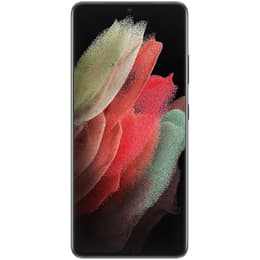
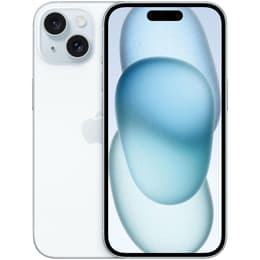

Galaxy S21 Ultra 5G • Unlocked vs iPhone 15 • Unlocked

Galaxy S21 Ultra 5G • Unlocked
Starting at

Refurbished price:$237.00

Versus $1,299.99 new

See options
iPhone 15 • Unlocked
Starting at

Refurbished price:$359.99

Versus $729.00 new

See options

Ratings

The Samsung Galaxy S21 Ultra 5G, released in early 2021, and the Apple iPhone 15, launched in late 2023, represent distinct approaches to flagship smartphone design and functionality. While the S21 Ultra was positioned as a high-end device for power users within the Android ecosystem, the iPhone 15 offers a more contemporary, streamlined experience running on iOS. Key differences include their operating systems, display technologies, and camera systems, catering to varied user preferences.

Scores

Durability

The expected practical lifespan and software support differ between these two devices due to their respective release timelines and manufacturer policies.

  • Software Longevity: The iPhone 15, being a newer device, is expected to receive operating system updates and security patches for a longer duration, with Apple publicly committing to a minimum of five years of software support, extending at least until September 2028. The Galaxy S21 Ultra, released earlier, has received major Android updates up to Android 14 and is nearing the end of its official software support cycle, though it remains functional for current applications.
  • Physical Durability: Both devices feature robust builds with glass and metal components. The iPhone 15 incorporates Ceramic Shield protection on its front and a color-infused glass back, while the S21 Ultra uses Gorilla Glass Victus on both its front and back. Both carry an IP68 rating for dust and water resistance.
  • Repairability: The iPhone 15 has seen improvements in repairability, with some sources indicating a score of 7 out of 10, allowing for easier part replacement. The Galaxy S21 Ultra generally has a lower repairability score, often cited around 3 to 6 out of 10, due to the extensive use of adhesive and less modular components, making repairs more challenging.

Release Year

2021

2023

Last OS Compatibility

Yes

Yes

OS

Android

iOS

Foldable

No

No

Performance

Both smartphones are capable of handling daily tasks efficiently, but their internal configurations and software optimizations lead to different real-world performance characteristics.

  • Multitasking and Responsiveness: The iPhone 15, with its more recent internal hardware, provides a very fluid experience for general navigation and app usage. The Galaxy S21 Ultra, equipped with a substantial amount of RAM (12GB or 16GB), excels at keeping many applications open simultaneously without needing to reload them, which can be beneficial for heavy multitaskers.
  • Application Handling: For demanding applications and graphically intensive games, the iPhone 15 offers smooth performance, benefiting from its optimized software and hardware integration. The Galaxy S21 Ultra also delivers strong performance for gaming and intensive tasks, though its older hardware may show more noticeable differences in the most demanding scenarios compared to newer devices.
  • Storage Options: Both devices offer similar internal storage configurations, typically ranging from 128GB to 512GB, providing ample space for apps, photos, and videos.

Memory (GB)

12 GB

6 GB

Screen quality

The viewing experience is a notable differentiator, with each device offering distinct display characteristics that impact media consumption and daily interaction.

  • Display Technology and Size: The Galaxy S21 Ultra features a larger 6.8-inch Dynamic AMOLED 2X display, providing an expansive canvas for content. The iPhone 15 has a 6.1-inch Super Retina XDR OLED display. Both technologies offer deep blacks and vibrant colors.
  • Resolution and Refresh Rate: The S21 Ultra boasts a higher resolution of 3200 x 1440 pixels and a 120Hz adaptive refresh rate, resulting in very sharp images and noticeably smoother scrolling and animations. The iPhone 15 offers a resolution of 2556 x 1179 pixels and a standard 60Hz refresh rate, which is clear but less fluid than the S21 Ultra's display.
  • Brightness: The iPhone 15 can reach a peak outdoor brightness of up to 2000 nits, making it highly visible in bright sunlight. The S21 Ultra also offers excellent brightness, ensuring good visibility in various lighting conditions.

Resolution

1440 x 3200

1179 x 2556

Screen type

Dynamic AMOLED 2X

Super Retina XDR OLED

Audiovisual

Both devices offer advanced camera systems, but they approach photography and videography with different strengths and capabilities.

  • Rear Camera System: The Galaxy S21 Ultra features a versatile quad-camera setup, including a 108MP main sensor, a 12MP ultrawide, and two 10MP telephoto lenses offering 3x and 10x optical zoom, providing extensive zoom capabilities. The iPhone 15 has an advanced dual-camera system with a 48MP main sensor that enables a 2x telephoto option through its quad-pixel sensor, and a 12MP ultrawide lens.
  • Photography Performance: The S21 Ultra is praised for its detailed photos, especially with its high-resolution main sensor and impressive optical zoom range, making it suitable for capturing distant subjects. The iPhone 15 delivers consistent image quality with excellent color accuracy and dynamic range, particularly in everyday and low-light conditions, and offers improved portrait capabilities.
  • Video Recording: The Galaxy S21 Ultra supports 8K video recording, offering high-resolution footage. The iPhone 15 provides high-quality 4K video recording at up to 60 frames per second, with strong stabilization and cinematic features. Both offer capable front-facing cameras for selfies and video calls, with the S21 Ultra featuring a 40MP sensor and the iPhone 15 a 12MP sensor.

Main camera

108 megapixels

48 megapixels

Front camera

40 megapixels

12 megapixels

Miscellaneous

Beyond core features, several practical elements contribute to the overall user experience and daily convenience of these smartphones.

  • Connectivity and Ports: Both devices support 5G connectivity for fast mobile data. The iPhone 15 features a USB-C port, aligning with modern universal charging standards, though its data transfer speeds are USB 2.0. The Galaxy S21 Ultra also uses a USB-C port, supporting faster USB 3.2 data transfer speeds. Both support Wi-Fi 6, with the S21 Ultra also supporting Wi-Fi 6E for enhanced wireless performance.
  • Biometric Security: The Galaxy S21 Ultra utilizes an ultrasonic fingerprint sensor embedded under the display, offering convenient unlocking. The iPhone 15 relies on Face ID for secure facial recognition.
  • Design and Handling: The iPhone 15 features a more compact and lighter design, weighing 171 grams, which can be more comfortable for one-handed use. The Galaxy S21 Ultra is a larger and heavier device at 228 grams, offering a more substantial feel and a larger screen area.

Weight

8 oz

171 oz

Screen size (inches)

6.8

6.1

Network

5G

5G

SIM card

Physical SIM + eSIM

eSIM

Carrier compatibility

Unlocked

Unlocked

Connector

USB-C

USB-C (USB 2)

User feedback indicates that the Galaxy S21 Ultra 5G is often praised for its large, vibrant display and its highly versatile camera system, particularly its advanced zoom capabilities. Some users have noted its considerable size and weight as a potential drawback for smaller hands, and its battery life, while substantial, can be heavily impacted by its high-resolution, high-refresh-rate display.

The iPhone 15 receives positive remarks for its comfortable design, consistent performance, and the polished experience of its iOS ecosystem. Common feedback includes appreciation for its improved main camera and the integration of the Dynamic Island. Some users express a desire for a higher refresh rate display, but generally find the device to be reliable for daily use.

Users prioritizing an expansive, high-refresh-rate display and a highly flexible camera system with extensive optical zoom capabilities may find the Galaxy S21 Ultra 5G well-suited to their needs. Conversely, those who value a more compact form factor, a streamlined user experience, and a longer period of software support may lean toward the iPhone 15. Both devices offer robust performance for everyday tasks and media consumption. For those considering either of these capable smartphones, exploring quality-assured refurbished options can be a sustainable choice.
See all articles

Our recent comparisons