
Compare models

Galaxy S22 5G • Unlocked vs Galaxy Z Flip7 • Unlocked

  • 1-year warranty
  • Free standard shipping
  • Free 30-day returns
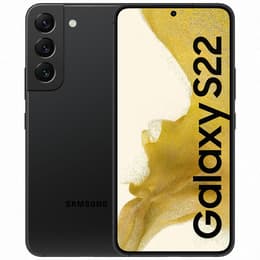
Galaxy S22 5G • Unlocked
Starting at

Refurbished price:$166.64

Versus $579.00 new

See options
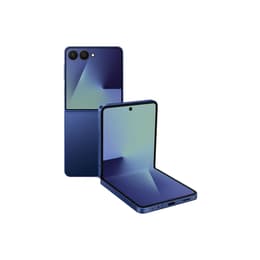
Galaxy Z Flip7 • Unlocked
Starting at

Refurbished price:$562.00

Versus $999.00 new

See options

Differences at a glance

The Samsung Galaxy S22 5G (2022) and the Samsung Galaxy Z Flip7 (2025) represent two entirely different approaches to modern smartphone design, contrasting a traditional candy-bar flagship with an innovative clamshell foldable. While the Galaxy S22 provides a pocket-friendly, solid daily communication tool in a standard layout, the Galaxy Z Flip7 introduces a flexible main screen and an expanded cover display running newer software.

These devices operate on different generations of the Android operating system out of the box, tailoring distinct long-term usability profiles for users evaluating hardware layout preferences alongside software support timelines.

Available Models

Color

Storage

Scores

Durability

The Galaxy S22 and Galaxy Z Flip7 span different release generations, resulting in distinct software support windows and expected physical lifespans.

  • Release timeline and support: The Galaxy Z Flip7 benefits from a much newer launch date and a longer manufacturer software support commitment, whereas the older Galaxy S22 is closer to the end of its primary update cycle.
  • Repairability and build maintenance: Standard bar phones like the Galaxy S22 generally feature simpler structural housing, while folding devices require specialized hinge maintenance and screen care over years of heavy physical folding.
  • Expected lifespan: Users tracking software longevity will find that the newer foldable retains active security patches for significantly longer, though both handle everyday tasks capably within their current operational windows.

Release Year

2022

2025

Last OS Compatibility

Yes

Yes

OS

Android

Android

Foldable

No

Yes

Performance

Performance capabilities vary significantly due to hardware generational leaps and internal memory allocations between these two models.

  • Multitasking and memory: The Galaxy Z Flip7 includes a larger RAM capacity that smoothly handles heavy multitasking and background app switching, whereas the Galaxy S22 relies on standard memory configurations suitable for basic everyday use.
  • System responsiveness: Modern app loading, intensive mobile gaming, and complex processing run noticeably faster on the newer foldable due to architectural improvements in its processor.
  • Battery behavior: The Galaxy Z Flip7 features a larger battery capacity that comfortably powers through a full day of mixed usage, while the smaller battery on the Galaxy S22 often requires a mid-day top-up for heavy users.

Screen quality

Display engineering highlights the most striking physical divergence between these two Samsung smartphones.

  • Display technology: The Galaxy S22 utilizes a compact, rigid display panel, whereas the Galaxy Z Flip7 features a flexible folding screen paired with a large, functional cover display for quick interactions.
  • Brightness and outdoor visibility: Both models offer vibrant colors and high peak brightness levels, ensuring content remains legible under direct sunlight.
  • Refresh rate and smoothness: Both devices support high refresh rates that deliver fluid scrolling through web pages and smooth animation transitions during regular navigation.

Resolution

1080 x 2340

1080 x 2520

Screen type

Dynamic AMOLED 2X

Foldable Dynamic LTPO AMOLED 2X

Audiovisual

Media capture and multimedia playback capabilities reflect distinct hardware iterations across both smartphone generations.

  • Camera versatility: Both models utilize capable multi-lens setups that capture sharp everyday photos and detailed wide-angle shots, with newer image processing algorithms on the Flip7 enhancing low-light clarity.
  • Video and audio output: Video recording remains stable and clear on both devices, while stereo speaker setups provide balanced audio output for casual media streaming and hands-free calls.
  • Form factor utility: The folding design of the Galaxy Z Flip7 allows for unique hands-free photo angles and tripod-free recording stances that traditional bar phones cannot replicate.

Miscellaneous

Practical daily usability features vary significantly in terms of physical dimensions, physical resilience, and accessory connectivity.

  • Build materials and handling: The Galaxy S22 offers a rigid, compact aluminum and glass frame that fits easily into small pockets, while the Galaxy Z Flip7 folds in half to minimize pocket footprint despite a taller unfolded profile.
  • Durability ratings: The Galaxy S22 features traditional water resistance ratings, whereas foldable options require careful handling around dust particles despite improved hinge designs.
  • Authentication and ports: Both models utilize secure biometric unlocking methods like fingerprint recognition, alongside standard type-c charging ports and fast wireless connectivity options.

Weight

6 oz

3 oz

Screen size (inches)

6.1

6.9

Network

5G

5G

SIM card

Physical SIM + eSIM

Physical SIM + eSIM

Carrier compatibility

Unlocked

Unlocked

What the community thinks

Choosing between these two devices depends heavily on physical form-factor preferences and hardware longevity requirements. Users prioritizing a compact, traditional phone shape with a sturdy, rigid body will find the Galaxy S22 well-suited to standard daily communication tasks. Conversely, users who favor an innovative folding layout, expanded screen workspace, and extended software support timelines will naturally lean toward the Galaxy Z Flip7. Actual owners frequently praise the pocketability of both models, though some note that traditional bar designs resist drops more predictably than complex folding joints.

For those looking to make a sustainable choice, exploring a quality-assured refurbished option provides a reliable, eco-friendly alternative that extends device life cycles without sacrificing modern performance capabilities. Evaluating individual workflow needs remains the best guide for selecting the ideal smartphone model.

Our recent comparisons