Compare models
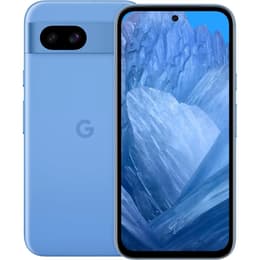
Google Pixel 8a • Unlocked vs iPhone 17 Pro • Unlocked
- 1-year warranty
- Free standard shipping
- Free 30-day returns
Differences at a glance
The Google Pixel 8a (2024) and the iPhone 17 Pro (2025) represent distinct approaches to modern smartphone engineering, balancing different priorities in hardware design and everyday usability. While the Google Pixel 8a runs on the Android operating system with an emphasis on integrated artificial intelligence features, the iPhone 17 Pro operates on iOS, focusing on high-tier processing capabilities and versatile media tools. These devices target different user preferences through variations in build philosophy and software ecosystems.
Available Models
Color
Storage (GB)
Scores
Durability
Both smartphones offer robust long-term utility, though they span different release years and follow distinct software update pathways that influence their expected operational lifespans.
- Software Support: The Google Pixel 8a provides multi-year operating system updates backed by extended security patches, while the iPhone 17 Pro typically receives extended software updates aligned with Apple's traditional device lifecycle.
- Build Longevity: The Google Pixel 8a utilizes durable front glass and an aluminum frame with dust and water resistance, whereas the iPhone 17 Pro features reinforced glass protection on both sides paired with an unibody frame designed for enhanced structural durability.
- Repairability: Both manufacturers provide structured repair channels, helping users maintain device functionality over years of daily ownership.
Release Year
2024
2025
Last OS Compatibility
Yes
Yes
OS
Android
iOS
Foldable
No
No
Performance
Handling daily tasks, multitasking, and demanding applications differs across these models due to their internal hardware configurations and memory capacity.
- Storage Options: The Google Pixel 8a is available in standard storage configurations suitable for everyday media storage, while the iPhone 17 Pro offers higher baseline capacity choices alongside advanced tiers for heavy media storage.
- System Responsiveness: The Google Pixel 8a handles standard applications and intelligent software features smoothly, whereas the iPhone 17 Pro manages intensive multi-app workflows, high-frame-rate mobile gaming, and complex background tasks with substantial performance headroom.
- Battery Behavior: The Google Pixel 8a delivers reliable power for a typical day of mixed use, while the iPhone 17 Pro incorporates energy-efficient processing to support extended use during media playback and heavy daily tasks.
Screen quality
Visual output and display responsiveness vary between the two models, providing distinct viewing experiences for media consumption and navigation.
- Display Technology: The Google Pixel 8a features a vibrant OLED screen with deep contrast levels, while the iPhone 17 Pro utilizes an advanced OLED panel equipped with high peak brightness capabilities for outdoor visibility.
- Refresh Rate: Both devices support high refresh rates, ensuring smooth scrolling through web pages, animations, and user interface transitions.
- Size and Clarity: The Google Pixel 8a offers a compact, pocket-friendly display format, whereas the iPhone 17 Pro provides a slightly larger viewing area with high pixel density for sharp text and media rendering.
Resolution
1080 x 2400
2622x1206
Screen type
OLED
Super Retina XDR
Audiovisual
Photography and video capture configurations cater to different styles of documentation, ranging from straightforward everyday snapshots to multi-lens professional setups.
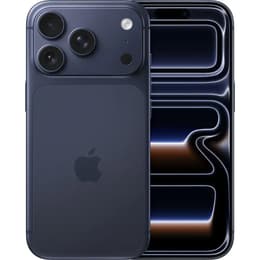
- Camera System: The Google Pixel 8a relies on a dual-lens rear camera setup optimized by computational photography software, while the iPhone 17 Pro features a triple high-resolution lens array including an extended optical zoom capability.
- Video and Audio: The Google Pixel 8a records clear high-definition video with steady stabilization, whereas the iPhone 17 Pro supports advanced professional video recording formats, high-fidelity microphone arrays, and studio-grade audio capture features.
- Media Output: Stereo speakers on both devices provide balanced audio output for hands-free calls, video playback, and casual music listening.
Main camera
64 megapixels
48 megapixels
Front camera
13 megapixels
18 megapixels
Miscellaneous
Practical everyday features, connectivity standards, and physical handling characteristics define the ergonomic and functional profile of each device.
- Connectivity: Both models support modern 5G networks, fast Wi-Fi standards, and Bluetooth pairing for wireless accessories.
- Ports and Biometrics: The Google Pixel 8a uses a USB-C port and an in-display fingerprint sensor, while the iPhone 17 Pro uses a USB-C port and advanced facial recognition technology.
- Physical Handling: The Google Pixel 8a offers a lighter build with a matte plastic back panel, whereas the iPhone 17 Pro features a denser metallic unibody construction.
Weight
7 oz
206 oz
Screen size (inches)
6.1
6.3
Network
5G
5G
SIM card
Physical SIM + eSIM
eSIM
Carrier compatibility
Unlocked
Unlocked
Connector
USB-C
USB-C
What the community thinks
User discussions across public forums highlight distinct preferences for each device based on everyday workflow requirements. Owners of the Google Pixel 8a frequently praise its comfortable one-handed form factor, reliable daily software performance, and straightforward user interface. Conversely, users of the iPhone 17 Pro often emphasize appreciation for its powerful multitasking capabilities, versatile multi-lens camera system, and long-lasting battery efficiency under demanding usage conditions. Common criticisms for the Pixel 8a typically center on limitations during high-intensity gaming, while some users note that the iPhone 17 Pro carries a heavier physical footprint in the pocket.
Users prioritizing a lightweight, pocket-friendly device with seamless everyday AI integration will find the Google Pixel 8a well-suited to their needs. Meanwhile, users prioritizing advanced photographic zoom, professional video tools, and maximum processing headroom may lean toward the iPhone 17 Pro. For buyers seeking an eco-friendly alternative, choosing a quality-assured refurbished option provides a sustainable choice that extends the lifecycle of these electronics without compromising on performance.