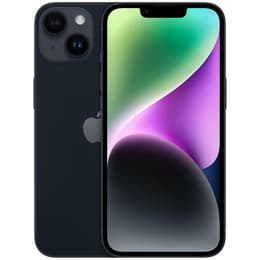
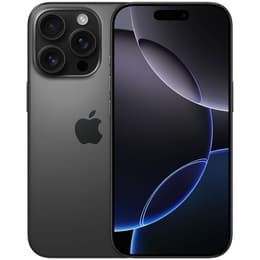

iPhone 14 • Locked T-Mobile vs iPhone 16 Pro • Unlocked

iPhone 14 • Locked T-Mobile
Starting at

Refurbished price:$269.00

Versus $599.00 new

See options
iPhone 16 Pro • Unlocked
Starting at

Refurbished price:$621.98

Versus $999.00 new

See options

Ratings

The iPhone 14, released in September 2022, and the iPhone 16 Pro, launched in September 2024, represent different tiers and generations within Apple's smartphone lineup. While both operate on the iOS platform, the iPhone 16 Pro introduces significant advancements in performance, camera technology, and display features, reflecting its newer release and 'Pro' designation. This comparison will highlight the practical differences to help users determine which device best suits their needs.

Scores

Durability

When considering the longevity of these devices, their respective release dates play a significant role in expected software support and overall practical lifespan.

  • Release Timeline: The iPhone 14 was released in September 2022, making it an older model compared to the iPhone 16 Pro, which launched in September 2024. This two-year difference directly impacts how long each device is likely to receive major operating system updates.
  • Software Longevity: Apple typically provides 5-6 years of major iOS updates for its devices. The iPhone 14, having shipped with iOS 16, is compatible with iOS 26, suggesting continued support for several more years. The iPhone 16 Pro, launching with iOS 18, is expected to receive updates for a longer duration, likely until 2029-2030, offering an extended period of access to the latest features and security enhancements.
  • Repairability and Durability: Both models feature a Ceramic Shield front cover for enhanced durability. The iPhone 14 (non-Pro models) introduced a design that makes the back panel more accessible, potentially simplifying certain repairs. The iPhone 16 Pro features a titanium design, which contributes to its overall robustness.

Release Year

2022

2024

Last OS Compatibility

Yes

Yes

Foldable

No

No

Performance

The performance capabilities of these two iPhones differ considerably due to the generational gap and their respective product tiers.

  • Processing Power: The iPhone 14 is powered by a capable processor that handles everyday applications and multitasking smoothly. The iPhone 16 Pro, featuring a newer generation processor, offers significantly enhanced performance, particularly noticeable in demanding applications, advanced gaming, and tasks leveraging artificial intelligence features.
  • Multitasking and Storage: The iPhone 14 comes with 6GB of RAM, providing sufficient capacity for typical user multitasking. The iPhone 16 Pro includes 8GB of RAM, which allows for more intensive multitasking and smoother operation with numerous applications open simultaneously. Both devices offer various storage options, with the iPhone 16 Pro starting at a higher base storage capacity.
  • Battery Behavior: While the iPhone 14 offers reliable all-day battery life for many users, the iPhone 16 Pro incorporates larger batteries and an improved thermal system. This design aims to provide extended usage times and more consistent performance during prolonged heavy use, such as gaming or video editing.

Memory (GB)

6 GB

8 GB

Screen quality

The visual experience on both devices is delivered through high-quality displays, though the iPhone 16 Pro introduces several enhancements.

  • Display Technology and Clarity: Both the iPhone 14 and iPhone 16 Pro feature Super Retina XDR OLED displays, known for deep blacks, vibrant colors, and excellent contrast. The iPhone 14 has a 6.1-inch display with a resolution of 2532 x 1170 pixels. The iPhone 16 Pro features a slightly larger 6.3-inch display with a corresponding resolution, maintaining a similar pixel density for sharp visuals.
  • Brightness and Refresh Rate: The iPhone 14 offers a typical brightness of 800 nits and a peak HDR brightness of 1200 nits, with a standard 60Hz refresh rate. The iPhone 16 Pro enhances this with potentially higher typical brightness (up to 1200 nits for SDR content) and incorporates ProMotion technology, offering adaptive refresh rates up to 120Hz for smoother scrolling and more fluid animations.
  • Viewing Experience: The iPhone 16 Pro also benefits from thinner bezels, maximizing the screen-to-body ratio and providing a more immersive viewing experience. It also includes an Always-On display feature, which is not present on the iPhone 14.

Resolution

1170 x 2532

1206 x 2622

Screen type

Super Retina XDR OLED

LTPO Super Retina XDR OLED

Audiovisual

Photography and videography capabilities see substantial upgrades from the iPhone 14 to the iPhone 16 Pro, reflecting the 'Pro' model's focus on advanced imaging.

  • Camera System Configuration: The iPhone 14 features an advanced dual-camera system with a 12MP Main and a 12MP Ultra Wide lens, capable of capturing detailed photos and 4K video. The iPhone 16 Pro boasts a more versatile triple-camera system, including a 48MP Main camera, a 48MP Ultra Wide camera, and a 5x optical zoom telephoto lens.
  • Photography Performance: The iPhone 16 Pro's larger sensors and higher megapixel counts, particularly for the Ultra Wide lens, contribute to improved low-light performance and greater detail capture compared to the iPhone 14. The addition of a 5x optical zoom on the iPhone 16 Pro allows for significantly more detailed distant shots.
  • Video and Audio Features: Both devices offer high-quality video recording, but the iPhone 16 Pro supports 4K video recording at 120 frames per second, enabling more advanced slow-motion and professional-grade video capture. The iPhone 16 Pro also introduces a dedicated Camera Control button, offering more tactile control over camera functions.

Main camera

12 megapixels

48 megapixels

Front camera

12 megapixels

12 megapixels

Miscellaneous

Beyond core features, several practical elements differentiate the user experience between these two iPhone models.

  • Connectivity Standards: The iPhone 14 supports 5G and Wi-Fi 6 (802.11ax) with Bluetooth 5.3. The iPhone 16 Pro features newer connectivity standards, including Wi-Fi 7 and an improved 5G modem, offering potentially faster wireless speeds and lower latency.
  • Charging Port and Biometrics: The iPhone 14 utilizes Apple's proprietary Lightning port for charging and data transfer. The iPhone 16 Pro, aligning with newer industry standards, features a USB-C port. Both devices rely on Face ID for secure biometric authentication.
  • Build Materials and Handling: The iPhone 14 features an aerospace-grade aluminum frame. The iPhone 16 Pro utilizes a titanium design, which contributes to its premium feel and durability while potentially managing weight. The iPhone 16 Pro is slightly larger due to its increased screen size, which may impact one-handed use for some individuals.

Weight

6 oz

7030 oz

Screen size (inches)

6.1

6.3

Network

5G

5G

SIM card

eSIM

eSIM

Carrier compatibility

T-Mobile

Unlocked

Connector

Lightning

USB-C (USB 3)

User feedback for the iPhone 14 often praises its reliable performance for everyday tasks, robust build quality, and capable camera system for general photography. Common observations sometimes point to its 60Hz display as a less fluid experience compared to higher refresh rate screens. The iPhone 16 Pro, being a newer and more advanced model, receives acclaim for its cutting-edge performance, significantly upgraded camera capabilities, and the immersive experience provided by its larger, high-refresh-rate display. Users appreciate the advancements in connectivity and the more versatile camera system, particularly the enhanced zoom and improved low-light performance.

Users prioritizing a solid, dependable smartphone for daily communication, social media, and casual photography will find the iPhone 14 to be a well-rounded device. It offers a balanced experience for those who do not require the absolute latest in processing power or advanced camera features. Conversely, users who demand the highest performance for intensive applications, mobile gaming, or professional-grade photography and videography will find the iPhone 16 Pro better suited to their needs. Its advanced display, superior camera system, and enhanced processing power cater to power users and creative professionals. Both models offer a quality experience, and choosing between them often comes down to specific priorities regarding performance, camera versatility, and display technology. For those seeking an eco-friendly alternative, both the iPhone 14 and iPhone 16 Pro are available as quality-assured refurbished options, providing a sustainable choice for consumers.


See all articles

Our recent comparisons