Compare models
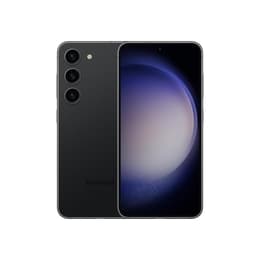
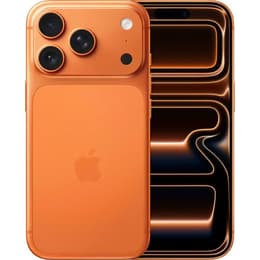
Galaxy S23 FE • Unlocked vs iPhone 17 Pro • Unlocked
- 1-year warranty
- Free standard shipping
- Free 30-day returns
Differences at a glance
The Samsung Galaxy S23 FE (2023) and the Apple iPhone 17 Pro (2025) represent different generations and operating ecosystems in the smartphone market. While the Galaxy S23 FE runs on Android and focuses on delivering core everyday capabilities, the iPhone 17 Pro operates on iOS, introducing newer hardware optimizations, advanced camera configurations, and extended software support. These two models cater to distinct user preferences regarding operating systems and generational design timelines.
Available Models
Color
Storage (GB)
Scores
Durability
Evaluating the lifespan and durability of these devices involves examining their software support schedules, material build quality, and expected longevity during daily use.
- Software support timeline: The iPhone 17 Pro benefits from a more recent release year and extended OS update longevity, whereas the Galaxy S23 FE occupies an earlier spot on its manufacturer's update schedule.
- Build materials and protection: Both handsets feature water and dust resistance ratings, while utilizing robust glass and aluminum construction designed to withstand regular handling wear.
- Practical longevity: Users seeking extended software update schedules will find the newer Apple model well-equipped for long-term daily service.
Release Year
2023
2025
Last OS Compatibility
Yes
Yes
OS
Android
iOS
Foldable
No
No
Performance
System responsiveness, multitasking capabilities, and battery endurance vary significantly based on internal hardware optimization and component age.
- App loading and multitasking: Both devices handle everyday communication apps, web browsing, and media streaming smoothly, though the newer processor architecture in the iPhone 17 Pro delivers faster processing speeds for demanding applications.
- Battery behavior: The Galaxy S23 FE features a 4,500 mAh battery capacity which accommodates moderate daily use, while the iPhone 17 Pro utilizes advanced internal power management to support extended screen-on times for heavy users.
- Storage configurations: Storage options differ between the two lines, impacting how much media and application data users can store locally without relying on cloud services.
Screen quality
Display technologies across both smartphones offer bright, clear viewing experiences, though panel specifications and refresh rates create distinct visual characteristics.
- Display technology: Both models utilize vibrant OLED panels that deliver deep contrast levels and rich colors for media consumption and text reading.
- Outdoor visibility: High peak brightness levels on both displays ensure that content remains legible under direct sunlight or bright ambient lighting conditions.
- Smoothness: Both screens support adaptive refresh rates up to 120Hz, providing fluid scrolling through menus, web pages, and supported applications.
Resolution
1080 x 2340
2622x1206
Screen type
Dynamic AMOLED 2X
Super Retina XDR
Audiovisual
Camera hardware and audio output capabilities cater to everyday documentation, low-light photography, and media playback.
- Camera versatility: Both handsets feature triple-lens rear camera arrays including main, ultra-wide, and telephoto options, allowing users to capture varied perspectives.
- Low-light and video performance: Image processing engines on both devices manage challenging lighting conditions effectively, with the newer iPhone model offering advanced pro-level video recording features.
- Audio output: Built-in stereo speaker systems deliver clear sound for hands-free calls, casual video viewing, and music playback.
Main camera
50 megapixels
48 megapixels
Front camera
10 megapixels
18 megapixels
Miscellaneous
Practical physical attributes, connectivity standards, and daily usability features shape how each phone integrates into everyday routines.
- Connectivity and ports: Both devices support modern 5G networks and fast Wi-Fi standards, utilizing USB-C connection ports for charging and data transfer.
- Biometric security: The Galaxy S23 FE offers facial recognition and an in-display fingerprint sensor, while the iPhone 17 Pro relies exclusively on advanced facial recognition technology.
- Dimensions and handling: Both models offer ergonomic form factors that fit comfortably in hand or pocket during travel and daily commutes.
Weight
6 oz
206 oz
Screen size (inches)
6.1
6.3
Network
5G
5G
SIM card
Physical SIM
eSIM
Carrier compatibility
Unlocked
Unlocked
Connector
USB-C
USB-C
What the community thinks
When deciding between the Galaxy S23 FE and the iPhone 17 Pro, user preferences regarding operating systems and hardware age serve as primary decision factors. Users prioritizing the Android ecosystem, customizable software environments, and a balanced everyday feature set may lean toward the Samsung device. Conversely, users seeking an iOS interface, extended software update support, and advanced photographic tools often gravitate toward the Apple model.
For consumers exploring sustainable purchasing routes, opting for a quality-assured refurbished option provides an eco-friendly alternative that extends device life cycles. Ultimately, aligning individual daily workflow needs and software preferences with each device's capabilities ensures a satisfying long-term choice.