Compare models

Galaxy S23+ • Unlocked vs iPhone 17 Pro • Unlocked

  • 1-year warranty
  • Free standard shipping
  • Free 30-day returns
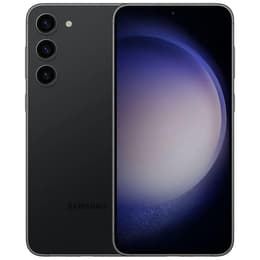
Galaxy S23+ • Unlocked
Starting at

Refurbished price:$296.19

Versus $999.99 new

See options
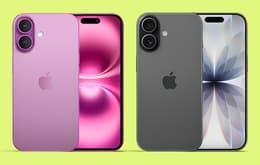
iPhone 17 Pro • Unlocked
Starting at

Refurbished price:$1,007.01

Versus $1,099.00 new

See options

Differences at a glance

The Samsung Galaxy S23+ (2023) and the Apple iPhone 17 Pro (2025) represent distinct generations and operating systems in the high-end smartphone market. While both devices deliver polished builds and robust everyday performance, they cater to different platform preferences and launch timelines. The Samsung Galaxy S23+ runs on the Android operating system with Samsung's customized interface, whereas the iPhone 17 Pro operates on Apple's iOS ecosystem.

Available Models

Color

Storage (GB)

Scores

Durability

When evaluating the long-term outlook of these devices, differences in release schedules and software support timelines shape how long each phone will remain current. Both models feature solid physical construction, but their support horizons vary based on their launch years.

  • Software support duration: The iPhone 17 Pro benefits from a newer release date and Apple's extended update lifecycle, while the Galaxy S23+ operates on a more established software timeline.
  • Repairability and durability: Both models utilize robust frame construction and protected glass panels, making them resilient to daily wear when paired with standard protective accessories.
  • Practical lifespan: Users can expect multiple years of reliable daily operation from either device, though software longevity favors the newer Apple release.

Release Year

2023

2025

Last OS Compatibility

Yes

Yes

OS

Android

iOS

Foldable

No

No

Performance

Daily operation and multitasking capabilities across both smartphones handle demanding workflows, though they utilize different hardware configurations and memory management strategies.

  • System responsiveness: Both devices load heavy applications quickly and handle intensive multitasking without noticeable stutter or lag during standard tasks.
  • Gaming and graphics: Advanced 3D games run fluidly on both platforms, with modern thermal management helping sustain performance during extended sessions.
  • Battery behavior: Each phone is equipped to last through a full day of typical mixed usage, though charging speeds and battery endurance profiles vary slightly between the two hardware builds.

Screen quality

Display characteristics on both handsets deliver crisp visuals and high refresh rates, ensuring smooth scrolling and vibrant media consumption.

  • Display technology: Both models employ advanced panel technology featuring deep contrast levels and rich color reproduction for photos and video playback.
  • Outdoor visibility: High peak brightness levels ensure that text and images remain legible even under direct sunlight or bright outdoor lighting conditions.
  • Refresh rate and smoothness: Dynamic refresh rate scaling supports fluid animations while helping optimize energy consumption during static tasks like reading.

Resolution

1080 x 2340

2622x1206

Screen type

Dynamic AMOLED 2X

Super Retina XDR

Audiovisual

Photography and video recording suites on these smartphones provide versatile tools for capturing everyday moments and detailed media content.

  • Camera versatility: Both configurations feature multiple lenses including main and ultra-wide options, allowing users to switch between standard and expansive framing easily.
  • Low-light performance: Advanced sensor processing helps capture clear details and balanced lighting in dim environments without excessive noise.
  • Video recording: Both devices offer high-resolution video capture options with robust stabilization features for smooth handheld recording.

Main camera

50 megapixels

48 megapixels

Front camera

12 megapixels

18 megapixels

Miscellaneous

Physical dimensions, connectivity standards, and daily usability features dictate how each phone fits into routine handling and travel scenarios.

  • Build and handling: The Galaxy S23+ offers a slightly larger screen footprint, while the iPhone 17 Pro provides a more compact profile that some users find easier to manage with one hand.
  • Connectivity options: Both models support current-generation wireless networks, fast Wi-Fi standards, and accurate location tracking for navigation.
  • Biometric security: Each device relies on secure authentication methods, utilizing fast facial recognition or reliable under-display fingerprint sensors respectively.

Weight

7 oz

206 oz

Screen size (inches)

6.6

6.3

Network

5G

5G

SIM card

Physical SIM + eSIM

eSIM

Carrier compatibility

Unlocked

Unlocked

What the community thinks

User discussions and community feedback highlight distinct preferences for each device based on operating system familiarity and hardware design. Owners of the Galaxy S23+ frequently praise its clean display layout, reliable battery life, and comfortable ergonomics for media consumption. Conversely, iPhone 17 Pro users often emphasize appreciation for the fluid system animations, robust video recording tools, and integration within the broader Apple ecosystem. Common criticisms for both models typically focus on high retail acquisition costs when bought brand new, though opting for a quality-assured refurbished option provides a sustainable choice that reduces electronic waste while offering full functionality.

Users prioritizing a customizable Android environment with a larger screen footprint may prefer the Galaxy S23+, while users seeking deep iOS integration and a compact form factor often lean toward the iPhone 17 Pro. Assessing personal software preferences and everyday handling needs remains the most effective way to determine which device aligns best with individual routines.

Our recent comparisons