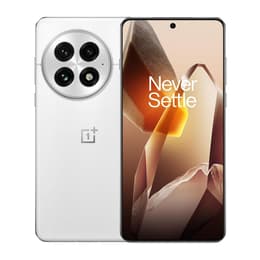
Compare models
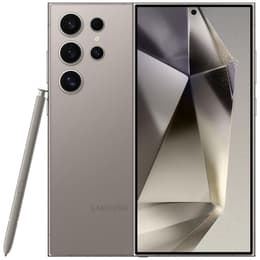
Galaxy S24 Ultra • Unlocked vs OnePlus 13 • Unlocked
- 1-year warranty
- Free standard shipping
- Free 30-day returns
Differences at a glance
The Samsung Galaxy S24 Ultra (2024) and the OnePlus 13 (2025) represent high-end smartphone releases designed for power users seeking top-tier capability, large screens, and advanced camera hardware. While both models run on the Android operating system, they approach daily performance, build philosophy, and user features through distinct hardware designs.
Available Models
Color
Storage (GB)
Scores
Durability
Both smartphones offer robust long-term usability, though their exact support timelines and physical hardware build designs differ slightly.
- Software Support: The Samsung model benefits from a multi-year update commitment spanning seven generations of operating system upgrades, while the competitor provides a slightly shorter official update framework.
- Hardware Longevity: Both devices feature current-generation internal memory and storage standards designed to handle future software requirements without slowing down significantly over time.
- Repairability: Both manufacturers provide structured maintenance options, making quality-assured refurbished options a reliable choice for users looking for extended device longevity with lower environmental impact.
Release Year
2024
2024
Last OS Compatibility
Yes
Yes
OS
Android
Android
Foldable
No
No
Performance
Daily computing tasks, demanding mobile games, and heavy multitasking run exceptionally smoothly on both devices thanks to powerful current-generation internal components.
- Multitasking and RAM: Generous memory configurations allow numerous applications to stay open simultaneously in the background without requiring sudden reloads.
- Battery Endurance: Both models easily transition through a full day of mixed usage, though differences in battery capacity and background software optimization result in varying standby efficiency.
- Storage Management: High-speed internal storage configurations provide ample space for large media libraries, high-resolution video files, and extensive application collections.
Screen quality
Viewing media, reading documents, and navigating menus are visually distinct experiences due to the contrasting display coatings and curvature choices of each device.
- Display Technology: Both use advanced bright OLED panels with smooth high refresh rates, ensuring crisp text and fluid scrolling during everyday navigation.
- Outdoor Visibility: High peak brightness levels on both screens allow for clear legibility even under direct sunlight or in brightly lit environments.
- Surface Design: The Samsung option utilizes a flat display surface with anti-reflective glass to minimize glare, whereas the OnePlus model features subtly curved edges for a different tactile feel in the hand.
Resolution
1440 x 3120
1440 x 3168
Screen type
Dynamic LTPO AMOLED 2X
LTPO AMOLED
Audiovisual
Photography and video recording suites on both phones offer versatile lens configurations tailored to diverse shooting scenarios.
- Lens Versatility: Both include high-resolution main, ultra-wide, and telephoto options that capture sharp details across various focal lengths and lighting conditions.
- Video Stability: Advanced stabilization features ensure steady video output even when recording while walking or moving quickly.
- Audio and Media Output: Built-in stereo speakers deliver balanced sound output suitable for hands-free calls, casual video viewing, and listening to audio tracks.
Main camera
200 megapixels
50 megapixels
Front camera
12 megapixels
32 megapixels
Miscellaneous
Physical dimensions, connectivity standards, and ergonomic details shape how each device fits into everyday routines.
- Connectivity: Both models support modern 5G networks, fast Wi-Fi standards, and Bluetooth connectivity for reliable accessory pairing.
- Security and Sensors: Responsive ultrasonic fingerprint scanners and secure facial recognition options provide quick and dependable device unlocking.
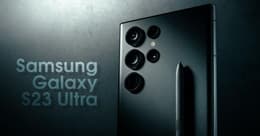
- Physical Build: The Samsung model features an integrated stylus and a rectangular titanium frame, while the OnePlus option utilizes a slightly lighter chassis with alternative finish options including vegan leather.
Weight
8 oz
8 oz
Screen size (inches)
6.8
6.82
Network
5G
5G
SIM card
Physical SIM + eSIM
Dual Physical SIM + eSIM
Carrier compatibility
Unlocked
Unlocked
Connector
USB-C
USB-C
What the community thinks
Users comparing these two flagship smartphones will find that each device caters to distinct daily preferences. Users prioritizing built-in stylus functionality, an anti-reflective flat screen, and an extensive software update commitment often lean toward the Galaxy S24 Ultra. Conversely, users who value faster wired charging speeds, a slightly lighter chassis design, and alternative back finishes frequently find the OnePlus 13 well-suited to their workflow.
Reviewers and everyday community members frequently praise both handsets for their responsive interfaces, powerful multitasking capabilities, and reliable camera systems. Common discussions often note the trade-off between the Samsung model's boxy, tool-oriented shape and the OnePlus model's curved, ergonomic handling. Choosing between them depends entirely on which physical form factor and ecosystem features match your daily routine.