Samsung
Compare models
Differences at a glance
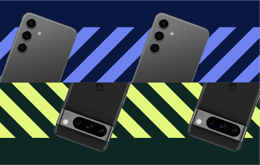
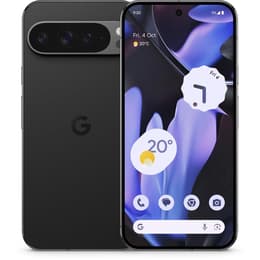
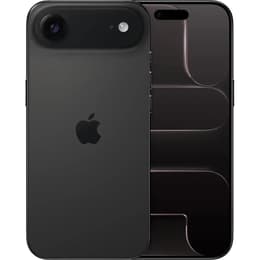
The Google Pixel 9 Pro (2024) and the iPhone Air (2025) represent distinct approaches to high-end mobile engineering, balancing advanced processing power with unique hardware philosophies. While Google's device emphasizes a versatile multi-lens camera system and deep artificial intelligence integration within a compact frame, Apple's model prioritizes an ultra-slim, lightweight titanium build featuring a larger display area. Operating on Android and iOS respectively, these smartphones cater to different daily workflows while delivering high-tier performance.
Color
Storage (GB)
Both smartphones are built for long-term daily use, featuring extended software update commitments and robust physical construction designed to withstand regular handling over several years.
Release Year
Last OS Compatibility
OS
Foldable
System responsiveness across both devices handles intensive applications, rapid multitasking, and demanding mobile games without noticeable stuttering or thermal throttling.
Visual output on both handsets delivers sharp details, deep contrast levels, and vibrant color accuracy suitable for media consumption and reading.
Resolution
Screen type
Optics and multimedia performance highlight different engineering priorities, balancing multi-lens versatility against streamlined single-sensor efficiency.
Main camera
Front camera
Physical dimensions and connectivity standards define how each device integrates into accessories, travel gear, and daily carry routines.
Weight
Screen size (inches)
Network
SIM card
Carrier compatibility
Connector
User discussions and community feedback indicate distinct preferences for each device depending on daily priorities. Owners of the Google Pixel 9 Pro frequently praise its reliable multi-lens camera system, helpful artificial intelligence integrations, and comfortable one-handed handling. At the same time, some users note that its weight and thickness are more traditional for a flagship device. Conversely, adopters of the iPhone Air highlight its remarkably light construction and slim profile as major daily advantages, though common discussions point out limitations regarding the single rear camera setup and battery endurance under heavy workloads. Users prioritizing optical zoom flexibility, extensive local AI functions, and a compact form factor will find the Google Pixel 9 Pro well-suited to their needs. Meanwhile, users prioritizing a featherlight feel, a larger viewing canvas, and the iOS ecosystem may lean toward the iPhone Air. Exploring a quality-assured refurbished option provides an eco-friendly alternative for acquiring either of these advanced smartphones while supporting sustainable technology choices.