
Compare models
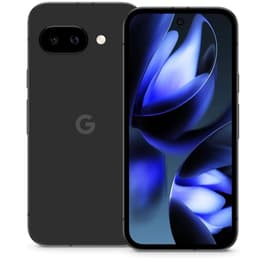
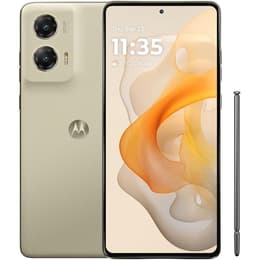
Google Pixel 9a • Unlocked vs Motorola Moto G Stylus 5G (2024) • Unlocked
- 1-year warranty
- Free standard shipping
- Free 30-day returns
Differences at a glance
The Google Pixel 9a (2025) and the Motorola Moto G Stylus 5G (2024) are mid-range smartphones designed to cater to users seeking modern functionality without flagship complexity. While both devices run on the Android operating system, they approach daily usability through very different hardware philosophies. The Google model emphasizes extended software longevity and streamlined AI integration, whereas the Motorola device centers its appeal around built-in stylus productivity and expandable storage flexibility.
Available Models
Color
Storage (GB)
Scores
Durability
When evaluating long-term utility, these devices differ significantly in update commitments and hardware endurance, making a quality-assured refurbished option an attractive choice for eco-conscious buyers wanting reliable hardware.
- Software Support Timeline: The Google Pixel 9a benefits from a multi-year update commitment spanning seven generations of OS upgrades, while the Motorola Moto G Stylus 5G (2024) typically receives a shorter span of major system updates.
- Repairability and Build: Both devices offer solid everyday resilience, though simpler modular designs and accessible repair documentation vary between manufacturers for out-of-warranty maintenance.
- Expected Lifespan: The Pixel's extended software window supports prolonged operational relevance, whereas the Motorola relies on expandable storage slots to maintain usefulness over time.
Release Year
2025
2024
OS
Android
Android
Foldable
No
No
Performance
Underneath the surface, both handsets handle typical daily tasks well, though they utilize distinct internal hardware architectures to manage multitasking and app loading.
- Processor Capability: The Google Pixel 9a handles demanding apps, graphics-heavy games, and system multitasking smoothly using its current-generation processor, while the Motorola Moto G Stylus 5G manages everyday communication, web browsing, and casual tasks reliably with its balanced mid-range processor.
- Memory and Storage: Both devices come equipped with ample random access memory for seamless app switching, though the Motorola includes a microSD card slot for expandable storage alongside fixed internal capacities.
- Battery Behavior: Each smartphone incorporates a large capacity battery designed to comfortably survive a full day of standard use, supported by efficient power management features.
Screen quality
Visual output and display responsiveness vary between the two models, providing distinct viewing experiences for media consumption and navigation.
- Display Technology: The Google Pixel 9a features a vibrant OLED display with deep contrast levels, while the Motorola Moto G Stylus 5G utilizes a bright LCD panel tailored for clear everyday visibility.
- Refresh Rate and Smoothness: The Pixel incorporates a high refresh rate panel for fluid scrolling and animations, whereas the Motorola balances smooth frame transitions with power-efficient viewing modes.
- Outdoor Usability: Both screens reach sufficient peak brightness levels to remain legible under direct sunlight, ensuring comfortable outdoor text reading and map navigation.
Resolution
1080x2424
1080 x 2400
Screen type
P-OLED
P-OLED
Audiovisual
Multimedia capture and audio output capabilities shape how each device handles photography, video recording, and casual media playback.
- Camera Systems: The Google Pixel 9a relies on a dual-rear camera configuration optimized by advanced computational photography for sharp low-light images, while the Motorola Moto G Stylus 5G offers versatile main and ultra-wide lenses suited for general daylight snapshots.
- Video and Audio: Both models record stable high-definition video clips and feature clear built-in microphones for voice calls, accompanied by functional stereo speaker setups for casual media streaming.
- Stylus Integration: The Motorola model features a physical stylus silo for precision drawing and handwritten notes, a unique functional addition absent on the Google device.
Miscellaneous
Physical dimensions, connectivity options, and auxiliary hardware features define the daily handling and ergonomic profile of each handset.
- Connectivity Standards: Both devices offer modern 5G cellular connectivity, reliable Wi-Fi protocols, and Bluetooth pairing capabilities for wireless accessories.
- Physical Build and Weight: The Pixel 9a features a compact, balanced frame with a matte back finish, while the Motorola model incorporates a vegan leather texture option and houses the integrated stylus mechanism.
- Security Sensors: Each phone integrates biometric authentication features, combining screen-embedded or side-mounted fingerprint recognition with facial unlock options.
Weight
6 oz
1 oz
Screen size (inches)
6.3
6.7
Network
5G
5G
SIM card
Physical SIM + eSIM
Physical SIM + eSIM
Carrier compatibility
Unlocked
Unlocked
What the community thinks
User community discussions highlight distinct preferences for each device across online forums. Owners of the Google Pixel 9a frequently praise its clean software interface, reliable camera output, and long-term update policy. Conversely, users of the Motorola Moto G Stylus 5G often emphasize appreciation for the physical stylus utility, expandable storage slot, and comfortable ergonomic grip.
Users prioritizing long-term software updates and advanced computational photography will find the Google Pixel 9a well-suited to their needs. Meanwhile, users prioritizing handwritten note-taking productivity and expandable media storage may lean toward the Motorola Moto G Stylus 5G. Choosing a sustainable, quality-assured refurbished option through platforms like Back Market allows consumers to acquire either device while supporting eco-friendly electronics circulation. Assessing individual workflow requirements remains the most effective way to determine the ideal everyday smartphone companion.